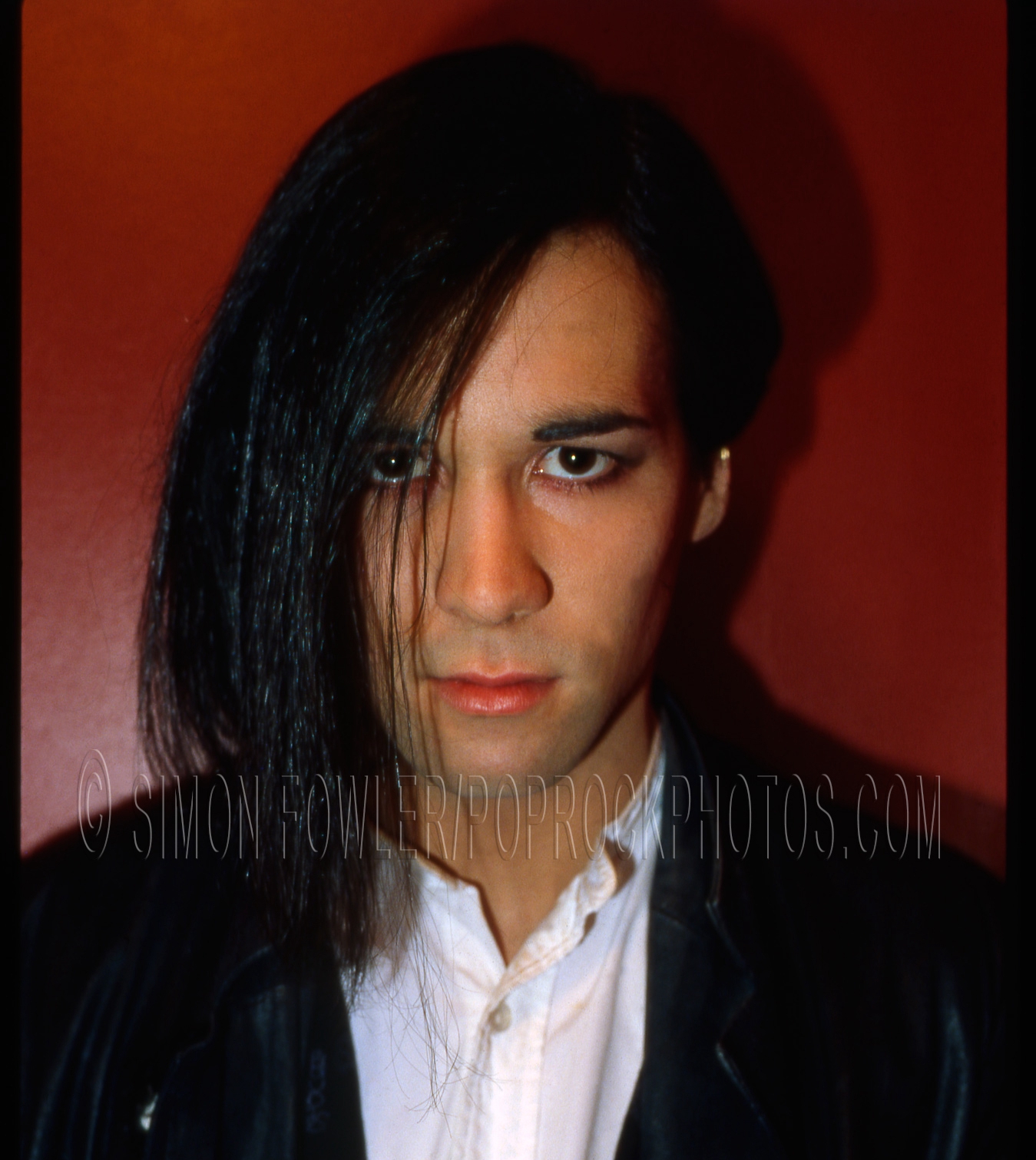
Philip OakeyGuest
Susan Ann SulleyGuestChristy York WootenHostThere's so much talk of what being human, you know, means in the age of AI and how, you know, all the 1980s music was supposedly so futuristic and now that really is coming to pass.
But the name Human League and then the song Human, I do think there's an interesting echo there that... you're named after being human.
Have you thought about that and the meaning of the name in an age like this?

I think we knew about the contrast, that obviously people were going to accuse us of being over-mechanical.

We believed at the time that we thought if we had quite a mechanical sort of robotic backing, that the contrast would be that the voice really stood out from it and revealed that it wasn't really organized and reflected sort of our human, very often our human failings.

We knew that it would come up with that thing, that we knew it would give people headlines.

So these people think they're human, don't they? In fact, a big game show host on TV in Britain, just when we rose to fame, one of his gags as he came out was he said, have you seen the Human League? If that's human, I don't want to be human.

I think maybe, I don't know, maybe two or three years after, maybe a little longer, that suddenly...

I'm not saying them per se, I'm just saying groups like that used to make fun of us.

And like you said, they always said it was inhuman, it was improper because someone, it was coming out of the machine.

And now, well, I think there's a place for AI But it scares me when I find that I hear a record and I think, oh, I know that that's not a real person that's done that.

And it frightens me for artists, especially young up-and-coming artists, because I think that one of the things I loved about music when I was small and when I was growing up was I loved the imperfections.

I loved the fact that the song, the singers and the groups that I liked would never have got through any of those music talent shows because they weren't, they weren't the best, they weren't the logical singers.

They were, David Bowie had It would never have got on, I don't know, we had pop stars and things and you had the other Simon Cowell version, whatever it was in America.

And all those groups, I love Gary Neumann, and they would never have got on any of those programs because they weren't your archetypal singer.

And I think that's one of the problems with AI is that it's all so perfect.
There's so much talk of what being human, you know, means in the age of AI and how, you know, all the 1980s music was supposedly so futuristic and now that really is coming to pass.
But the name Human League and then the song Human, I do think there's an interesting echo there that... you're named after being human.
Have you thought about that and the meaning of the name in an age like this?

I think we knew about the contrast, that obviously people were going to accuse us of being over-mechanical.

We believed at the time that we thought if we had quite a mechanical sort of robotic backing, that the contrast would be that the voice really stood out from it and revealed that it wasn't really organized and reflected sort of our human, very often our human failings.

We knew that it would come up with that thing, that we knew it would give people headlines.

So these people think they're human, don't they? In fact, a big game show host on TV in Britain, just when we rose to fame, one of his gags as he came out was he said, have you seen the Human League? If that's human, I don't want to be human.

I think maybe, I don't know, maybe two or three years after, maybe a little longer, that suddenly...

I'm not saying them per se, I'm just saying groups like that used to make fun of us.

And like you said, they always said it was inhuman, it was improper because someone, it was coming out of the machine.

And now, well, I think there's a place for AI But it scares me when I find that I hear a record and I think, oh, I know that that's not a real person that's done that.

And it frightens me for artists, especially young up-and-coming artists, because I think that one of the things I loved about music when I was small and when I was growing up was I loved the imperfections.

I loved the fact that the song, the singers and the groups that I liked would never have got through any of those music talent shows because they weren't, they weren't the best, they weren't the logical singers.

They were, David Bowie had It would never have got on, I don't know, we had pop stars and things and you had the other Simon Cowell version, whatever it was in America.

And all those groups, I love Gary Neumann, and they would never have got on any of those programs because they weren't your archetypal singer.

And I think that's one of the problems with AI is that it's all so perfect.
The rest of this transcript — segmented and speaker-labeled, so you land on the exact moment something was said
Search every transcript — by keyword, by phrase, or by meaning, across every show Radar indexes
Trends — what is surging across podcasts, measured against its own baseline
Alerts — when a name you follow appears in a newly indexed episode
No account is needed to search Radar.