EMOTIONAL1:25
The Promise That Vanished
Some promises disappear when political power changes.

Sep 8, 2026 · 59 min · 12 segments
Usually, almost nothing about how the other side of a deal actually thinks survives into the record. The Paris Peace Accords are the rare exception. Both governments kept meticulous records of the…
 Gene KillianHost
Today, we're going to tackle a difficult subject, and we're only going to scratch the surface of it because this was an incredibly complicated negotiation.
But we're going to touch upon the Paris Peace Accords, which are the agreement that ended American participation in the Vietnam War.
It's not a verdict on Richard Nixon or Henry Kissinger or President Thieu or the North Vietnamese negotiators.
People have spent decades arguing about that, and they're going to spend decades more, and we're not going to settle it here.
We have a negotiation where we can see the parameters of every hard problem because they are documented in extraordinary detail.
Both governments, the U.S. government and the North Vietnamese government, kept meticulous records of the whole ugly business, and a lot of them were declassified.
We'll ask the question, did it get him a better deal? Two, and this is a topic that we have gone over in various contexts, but it's still fascinating.
What do you do about the party who is not in the room but can screw up your agreement anyway? That's what we call the veto party.
My main source here is an extraordinary and excellent book called And if you are a negotiation nerd, I really encourage you to buy this book and read it.
Professor Asselin got not only access to the US archives, but he was granted access to the North Vietnamese archives.
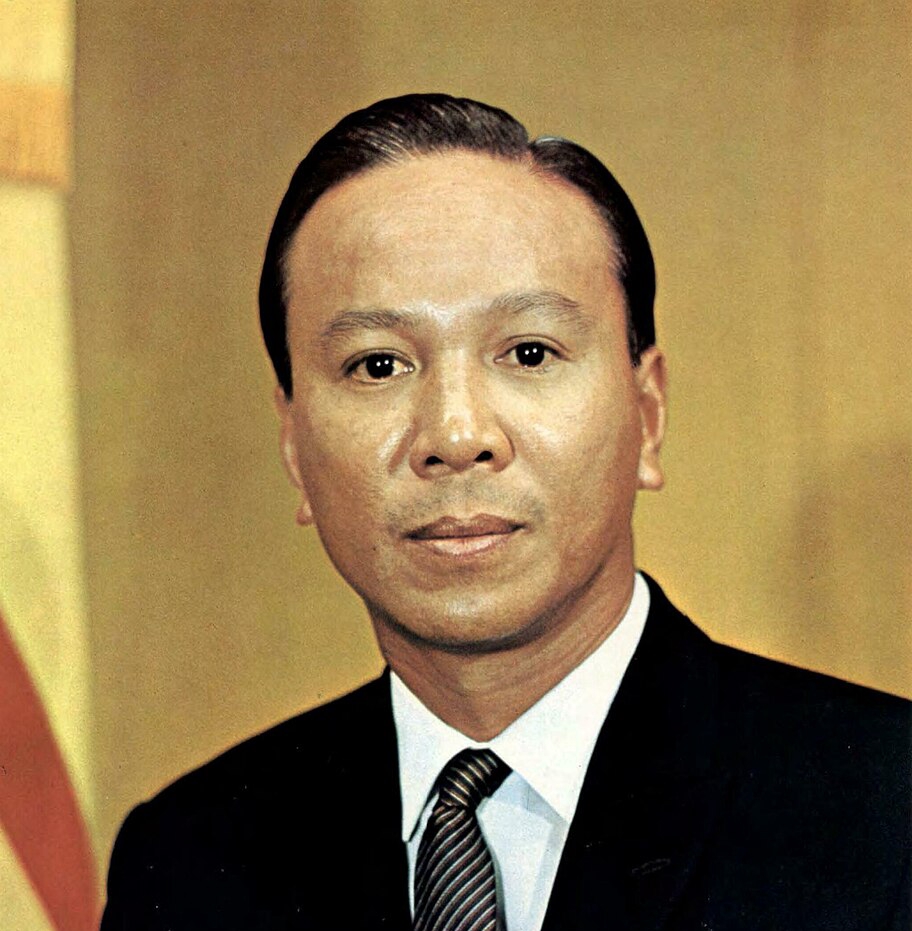


Today, we're going to tackle a difficult subject, and we're only going to scratch the surface of it because this was an incredibly complicated negotiation.
But we're going to touch upon the Paris Peace Accords, which are the agreement that ended American participation in the Vietnam War.
It's not a verdict on Richard Nixon or Henry Kissinger or President Thieu or the North Vietnamese negotiators.
People have spent decades arguing about that, and they're going to spend decades more, and we're not going to settle it here.
We have a negotiation where we can see the parameters of every hard problem because they are documented in extraordinary detail.
Both governments, the U.S. government and the North Vietnamese government, kept meticulous records of the whole ugly business, and a lot of them were declassified.
We'll ask the question, did it get him a better deal? Two, and this is a topic that we have gone over in various contexts, but it's still fascinating.
What do you do about the party who is not in the room but can screw up your agreement anyway? That's what we call the veto party.
My main source here is an extraordinary and excellent book called And if you are a negotiation nerd, I really encourage you to buy this book and read it.
Professor Asselin got not only access to the US archives, but he was granted access to the North Vietnamese archives.
Every episode on Radar is fully transcribed, speaker-labeled, and rich with metadata. Here is a taste of this one. Try Radar for free to see the rest.
3 of 8
The Promise That Vanished
Some promises disappear when political power changes.
The Threat That Closed The Deal
Sometimes agreement comes only after every alternative disappears.
Attendance Is Not Agreement
Pressure can restart talks without changing terms.
+5 more clips · 7 min 19 sec of audio in all
7 of 25
The rest of this transcript — segmented and speaker-labeled, so you land on the exact moment something was said
All 8 clips — the highlight moments, each cut as its own audio, with a title and a speaker
All 12 segments — the transcript broken into labeled sections, every ad read marked
All 25 topics — jump to every other episode discussing the same subject
Every related episode — other shows Radar links to this one
No account is needed to search Radar.

