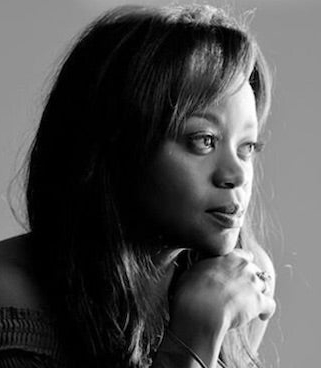
Rosalyn DennettHost
What is it that motivates you to do those type of collaborations or like co-bills, that sort of thing? Is that a way that you like to tour? Do you prefer to tour solo?
I mean, there's good and bad to everything, I guess.
It depends how you look at life.
But opening up for artists or supporting artists, I love doing it because in terms of just the back end of touring, it takes a lot of load off your shoulders, especially when they have a tour bus and they allow you on the tour bus.
But even when they don't have a tour bus, you have to have the opportunity to just arrive on site, do your sound check, do your show, and the rest of your time is your time.
When it's your show, there's a lot more moving parts, your mind is on different things.
things.
If you bring a band on the road with you, then you got to cater to everybody in the band and make sure they're all doing okay.
But at the end of the day, like the audience, when they come to see me and they know they're coming to see me, it's a different experience for me because they know the songs, they want to hear the stories.
My audience will listen to longer stories than the songs themselves, right? And they're really cool like that.
When it's a new audience that you're supporting, they'll still listen because I think I have a way of connecting to the audience, but you got to be careful because they don't know you.
You So you can't just be like, I'm going to tell you a seven minute story.
Whereas my audience were like, please, seven minute story.
Let's go.

Well, I mean, that's an interesting thing to bring up because storytelling in itself, I think it's something that, you know, we've been doing this podcast for five seasons now and it's a folk podcast.

And we've only merely splashed our toe into the deep end of the role of storytelling in folk music.

And sometimes that's something that I'll use as an indicator of something that's attached to like, this is folk because people are always asking what's folk and what's not folk.

One of the things that I think like can kind of bring out the folkiness is that element of storytelling.
I mean that is that's what folk is about in my world you know like at the essence of the word folk is people like this is what we do and we are sharing stories with each other and I think a lot of songs throughout every culture music is a way of communicating messages and communicating culture and communicating like maybe just you're singing for spiritual reasons are you singing because you lost somebody you're singing because there's no rain that season whatever it or you're singing because you want to partner, you want to get married and have children.
So it's our story.
We're just constantly telling our stories.
So for me, if I don't have a story in my music, I have a really hard time writing songs that don't have a message or a story or a point or a moral or something that is connecting me in that sense that I can talk about.
Other artists are different.
They can just write things that It may not have any meaning, or it may just be a vibe, or it may just be a repeated word, but I just say it's my voice and my stories.
The rest of this transcript — segmented and speaker-labeled, so you land on the exact moment something was said
Search every transcript — by keyword, by phrase, or by meaning, across every show Radar indexes
Trends — what is surging across podcasts, measured against its own baseline
Alerts — when a name you follow appears in a newly indexed episode
No account is needed to search Radar.