Aug 16, 2026 · 40 min · 10 segments
In this episode of Radicals for Good, we’re discussing the future of voting with Arabia Simeon, a designer, technologist, and CEO & Founder of Politics on the Go (POGO). **Learn More and Take…
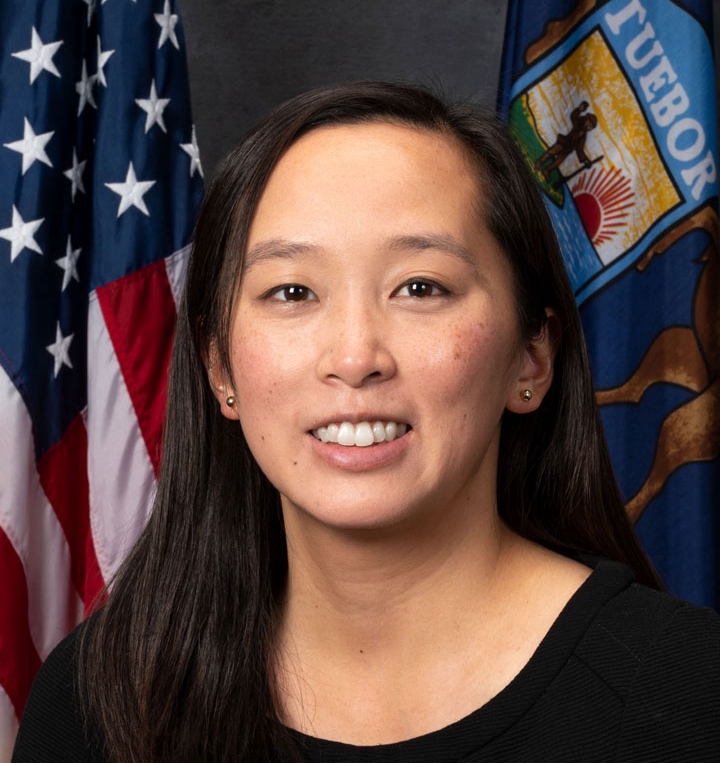
Arabia SimeonGuest
Shayla ZimmermanHost
and um speaking of like your work in community too like i really see pogo as a revolutionary tool it's revolutionizing politics and how we think about voting in general um I'm also thinking about young people, too, and how it's engaging young people in voting.

Can you talk a little bit about how the current system that we have and the current tools that we have in voting is excluding young people?

I would say even as a youth organizer and people, a person that would like attend city council meetings while being in high school or attending protests and usually being the only people outside, like even that aspect in terms of the political system is really isolating for a young person.

Because a lot of the time, we're doing things, putting ourselves on the line, getting in trouble with our parents, or our parents are anxious.

Like, I used to go outside, I mean, in middle school, high school, protest during, like, big, big protests.

George Floyd protests when I was in high school going into college and all that.

And I think... as a young person, you feel all this energy, um, to want to put your life on the line, to want to make a change.

That's what we're learning about in school, right? That's what that, at that time period, that's what you're learning about.

And then you're going into adulthood and you're realizing it's actually not really like this.

Um, and going into the actual voting aspect of this, um, I think young people come into it with a level of dissatisfaction because the bubble is burst right when we become adults and that's how I like to describe it so it's not just the apathy it's also the other circumstances of life like
The rest of this transcript — segmented and speaker-labeled, so you land on the exact moment something was said
Search every transcript — by keyword, by phrase, or by meaning, across every show Radar indexes
Trends — what is surging across podcasts, measured against its own baseline
Alerts — when a name you follow appears in a newly indexed episode
No account is needed to search Radar.