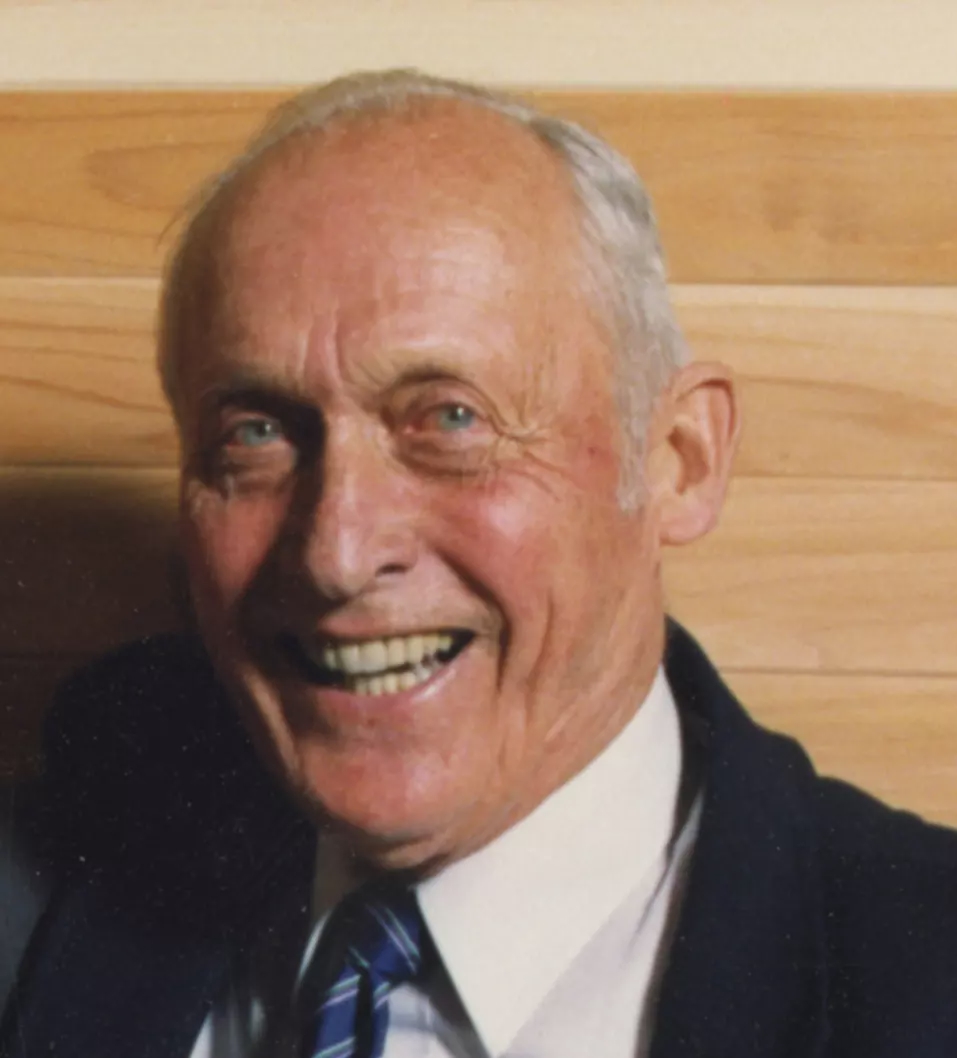
How to Train Without Pain (Back, Shoulders, Mobility & Strength) | Dr. John Rusin
Sep 16, 2026 · 2 hr 24 min · 13 segments
In this episode, my guest is Dr. John Rusin, a physical therapist and strength coach who bridges rehabilitation and human performance. We discuss his approach to persistent…
In this episode, my guest is Dr. John Rusin, a physical therapist and strength coach who bridges rehabilitation and human performance. We discuss his approach to persistent back, shoulder, and knee pain and how to build a body that can handle demanding training for the long term. John walks through his six-phase warm-up, a 10–12-minute sequence that combines foam rolling, stretching, corrective exercises, activation, movement practice, and explosive drills. He explains why breathing matters during soft tissue work, how mobility differs from flexibility, and why feeling tight doesn't necessarily mean you just need more stretching. We cover simple movement breaks for desk workers, detailed cues for hip and shoulder stability, face-pull technique, bracing, lifting belts, and how to adapt exercise form to your body and goals. We also discuss progressing back to heavier training, maintaining strength, muscle, and power as you age, and using loaded carries to build and assess full-body capacity. This episode is for anyone who wants to move more comfortably, train consistently, and keep getting stronger. **Sponsors** Momentous: https://livemomentous.com/galpin LMNT: https://drinklmnt.com/perform David: https://davidprotein.com/perform Eight Sleep: https://eightsleep.com/perform **Chapters** (00:00:00) John Rusin: Bridging Physical Therapy & Performance (00:07:26) Chronic Pain vs. Acute Injury (00:17:20) Desk Work, Movement Breaks & Better Posture (00:23:46) The 10-Minute Warm-Up: Six Phases for Better Training (00:29:46) Foam Rolling: Technique, Breathing & What Actually Changes (00:40:49) Tight or Weak? Mobility, Flexibility & Muscle Control (00:53:17) Back Pain: Surgery, Rehabilitation & Conservative Care (00:57:11) How to Stretch with Control & Stability (01:11:25) Corrective Exercises & Activation: Bird Dogs to Hip Thrusts (01:21:56) Better Face Pulls: Grip, Angles & Technique (01:29:16) Movement Practice: Turning Better Technique into Habit (01:39:32) Preparing for Heavy Lifting: Power & Explosive Movement (01:43:03) Full-Body Bracing & When to Use a Lifting Belt (01:46:08) What Good Form Means: Your Body, Load & Experience (01:56:12) Deadlift Grip, Jefferson Curls & Training Spinal Flexion (02:01:26) Training for Longevity & Knowing When to Progress (02:07:41) Building Strength, Muscle & Power Together (02:12:30) Loaded Carries: Benchmarks, Technique & Programming Disclaimer & Disclosures Learn more about your ad choices. Visit megaphone.fm/adchoices
In this episode, my guest is Dr. John Rusin, a physical therapist and strength coach who bridges rehabilitation and human performance. We discuss his approach to persistent…