Anti-Matter and Quantum Relativity
Oct 29, 2026 · 21 min · 16 segments
Viewers like you help make PBS (Thank you 😃) . Support your local PBS Member Station here: https://to.pbs.org/DonateSPACE Uploaded 21-06-17 Paul Dirac’s insights…
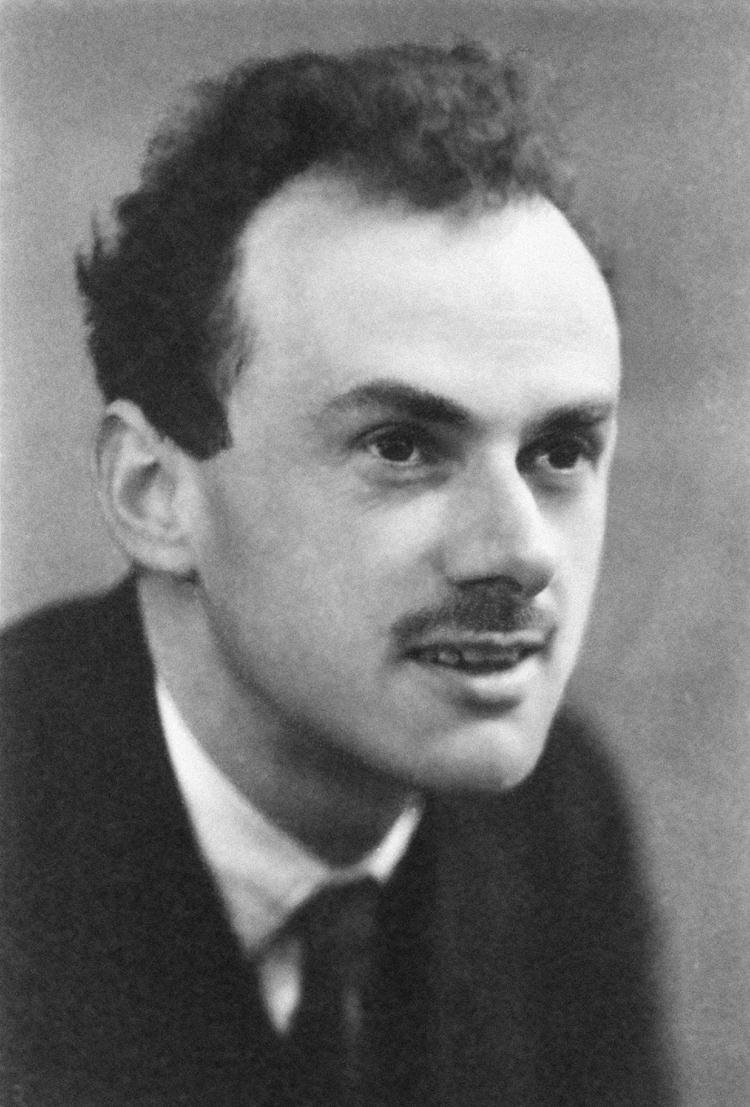
Viewers like you help make PBS (Thank you 😃) . Support your local PBS Member Station here: https://to.pbs.org/DonateSPACE Uploaded 21-06-17 Paul Dirac’s insights into the nature of Quantum Mechanics laid the foundation for Quantum Field Theory and predicted the existence of anti-matter. Part 1 in our series on Quantum Field Theory. Try Skillshare at http://skl.sh/spacetime You can further support us on Patreon at https://www.patreon.com/pbsspacetime Get your own Space Time tshirt at http://bit.ly/1QlzoBi Tweet at us! @pbsspacetime Facebook: facebook.com/pbsspacetime Email us! pbsspacetime \[at] gmail \[dot] com Comment on Reddit: http://www.reddit.com/r/pbsspacetime Help translate our videos! https://www.youtube.com/timedtext\cs\panel?tab=2&c=UC7\gcs09iThXybpVgjHZ\7g Review our quantum mechanics playlist: http://bit.ly/2rWTYSO Book recommendations: The Quantum Divide, by Christopher Gerry and Kimberley Bruno The Character of Physical Law, by Richard Feynman Previous Episode: Supervoids vs Colliding Universes https://www.youtube.com/watch?v=lrS0rxX-UhA It’s 1928. Over the past quarter century, the greatest geniuses of the modern era discovered the two keys to the fundamental nature of reality. Einstein’s theories of special and general relativity had changed forever the way we think of motion, space, and time. And the emerging field of quantum mechanics had radically altered our understanding of the fundamental building blocks of the universe. Yet this year one brilliant insight would bring these theories together and unveil the quantum fabric of reality. It would also predict the existence of antimatter. Written and Hosted by Matt O’Dowd Produced by Rusty Ward Graphics by Kurt Ross Made by Kornhaber Brown (www.kornhaberbrown.com) Comments answered by Matt: Sourcedrop https://www.youtube.com/watch?v=lrS0rxX-UhA&lc=z12fglgxiqyuzroqx04cjly40pboiddbqt40k Vhsjpdfg https://www.youtube.com/watch?v=lrS0rxX-UhA&lc=z13jylhxnpqzwjt5s04cehcilubxjvaoqp40k Galdo145 https://www.youtube.com/watch?v=lrS0rxX-UhA&lc=z135j5141pmhv1yop04cfdcjmojfgnbqznw0k Pradhyumn https://www.youtube.com/watch?v=lrS0rxX-UhA&lc=z122hjuyfybrxpr3a22vctvxhkeahfmwq04 Special thanks to our Patreon Big Bang, Quasar and Hypernova Supporters: Big Bang Shane Robinson David Nicklas Eugene Lawson Quasar Tambe Barsbay Coolascats Max Levine Hypernova Chuck Zegar Jordan Young Ratfeast John Hofmann Joseph Salomone Martha Hunt Craig Peterson Prof. Dr. Kenneth Michael Beck Science Via Markets Thanks to our Patreon Gamma Ray Burst Supporters: Alex Seto Conor Dillon Jared Moore Michal-Peanut Karmi Bernardo Higuera Erik Stein Daniel Lyons Jade Bilkey Kevin Warne JJ Bagnell J Rejc Amy Jie Avi Goldfinger John Pettit Shannan Catalano Florian Stinglmayr Yubo Du Benoit Pagé-Guitard Ronny Polonia Nathan Leniz Jessica Fraley Loro Lukic Brandon Labonte David Crane Greg Weiss Eric Jackson Learn more about your ad choices. Visit megaphone.fm/adchoices Learn more about your ad choices. Visit megaphone.fm/adchoices
Viewers like you help make PBS (Thank you 😃) . Support your local PBS Member Station here: https://to.pbs.org/DonateSPACE Uploaded 21-06-17 Paul Dirac’s insights…