Sep 24, 2026 · 45 min · 17 segments
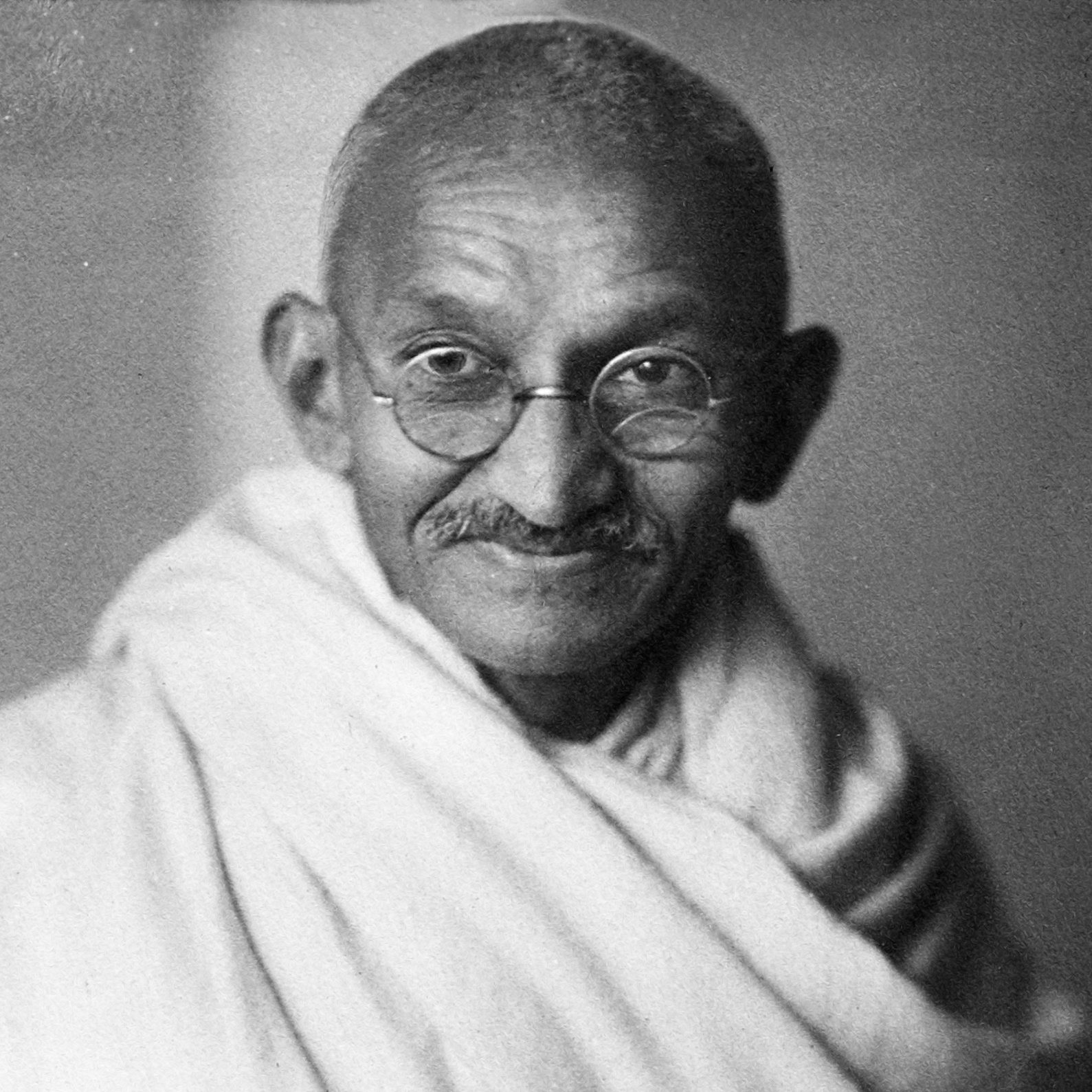
Mahatma Gandhi was an anticolonial activist, lawyer, and politician. Less famously, but no less importantly, he was also a back-to-the-land farmer, a founder of communes, and a seeker of utopia…
Karline McLainGuestRaj BalkaranHostThe archive certainly is a, a wonderful complement to the book, and it's clear, um, it's abundantly clear from the conversation in the archive that in addition to being very much interested in Gandhi and perhaps, uh, aspects of Gandhi that, um, that might not be known to most, which we'll dive into momentarily, clearly you're interested in teaching, clearly education's important.
Strangely enough, I think the teacher cap is one I wear the most, and I, I even think of publishing as a, as a, the way of teaching here what we've learned.
And, and so do you wanna talk a little bit about the extent to which the book and the, the archive are really foundational to this, this, this teaching mandate of yours?

I, you know, honestly, I thought about this a lot as I was working on the book, and I think it's part of the reason why the book sat with me for a decade, um, is because after I had the first sort of draft of the monograph, it was initially written, I think, for a very scholarly audience in mind, a very narrow audience.

And, um, although his biography and his political action are fairly well-known, I think in so many ways he's very understudied.

And, you know, in this instance, his, the communities he founded are incredibly understudied.

Um, and so I really wanted to work to make the book a useful teaching resource and to make it an accessible entry point for the study of Gandhi for high school and college teachers.

And so I really thought about my readers a lot as I wrote Living With Gandhi: Experiments in Utopia.

And I intentionally sort of really sort of just threw away my previous introduction [laughs], rewrote the whole book monograph, including with a new introduction and conclusion with a broader audience in mind.

Um, I wrote it for the general reader who wants to know more about Gandhi as a person and about his philosophy of living, um, or who is simply interested in the study of utopian communities globally.

Um, I wrote it for high school and college teachers who want to try to incorporate a unit on Gandhi's communities into their courses.

And I wrote it for the current generation of students to try to help them think more critically about Gandhi and about what it means to live well in community with one another.

So I think teaching was at the center of this project in a way that for me it hasn't been, not that it wasn't important, but it hasn't been so central to my other book monographs.
The archive certainly is a, a wonderful complement to the book, and it's clear, um, it's abundantly clear from the conversation in the archive that in addition to being very much interested in Gandhi and perhaps, uh, aspects of Gandhi that, um, that might not be known to most, which we'll dive into momentarily, clearly you're interested in teaching, clearly education's important.
Strangely enough, I think the teacher cap is one I wear the most, and I, I even think of publishing as a, as a, the way of teaching here what we've learned.
And, and so do you wanna talk a little bit about the extent to which the book and the, the archive are really foundational to this, this, this teaching mandate of yours?

I, you know, honestly, I thought about this a lot as I was working on the book, and I think it's part of the reason why the book sat with me for a decade, um, is because after I had the first sort of draft of the monograph, it was initially written, I think, for a very scholarly audience in mind, a very narrow audience.

And, um, although his biography and his political action are fairly well-known, I think in so many ways he's very understudied.

And, you know, in this instance, his, the communities he founded are incredibly understudied.

Um, and so I really wanted to work to make the book a useful teaching resource and to make it an accessible entry point for the study of Gandhi for high school and college teachers.

And so I really thought about my readers a lot as I wrote Living With Gandhi: Experiments in Utopia.

And I intentionally sort of really sort of just threw away my previous introduction [laughs], rewrote the whole book monograph, including with a new introduction and conclusion with a broader audience in mind.

Um, I wrote it for the general reader who wants to know more about Gandhi as a person and about his philosophy of living, um, or who is simply interested in the study of utopian communities globally.

Um, I wrote it for high school and college teachers who want to try to incorporate a unit on Gandhi's communities into their courses.

And I wrote it for the current generation of students to try to help them think more critically about Gandhi and about what it means to live well in community with one another.

So I think teaching was at the center of this project in a way that for me it hasn't been, not that it wasn't important, but it hasn't been so central to my other book monographs.
The rest of this transcript — segmented and speaker-labeled, so you land on the exact moment something was said
Search every transcript — by keyword, by phrase, or by meaning, across every show Radar indexes
Trends — what is surging across podcasts, measured against its own baseline
Alerts — when a name you follow appears in a newly indexed episode
No account is needed to search Radar.