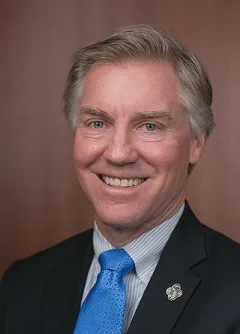
What Supply Chain Leaders Can Learn from the World's Top Chief Executives | Daryl Brewster, CECP
Sep 24, 2026 · 54 min · 10 segments
What separates companies that thrive for decades from those that struggle to sustain success? According to Daryl Brewster, the answer often comes down to leadership, employee engagement, and a clear…
What separates companies that thrive for decades from those that struggle to sustain success? According to Daryl Brewster, the answer often comes down to leadership, employee engagement, and a clear understanding of who the business serves. As CEO of CECP (Chief Executives for Corporate Purpose), Daryl works with hundreds of the world's largest companies to help executives create long-term value for employees, customers, communities, and shareholders. Throughout his career, he has seen firsthand how organizations achieve stronger performance when people understand the impact of their work and how it contributes to something bigger than themselves. In this episode of *Logistics With Purpose®*, host Enrique Alvarez sits down with Daryl Brewster for a conversation about leadership, employee engagement, business performance, stakeholder value, and the future of work. Daryl shares lessons from his leadership journey and explains why engaged employees often become the foundation for stronger customer experiences, how leaders can build trust during periods of uncertainty, and why long-term value creation requires looking beyond short-term results. The conversation also explores how artificial intelligence, technological disruption, and evolving workforce expectations are changing the way organizations operate. Daryl addresses what leaders need to do to remain effective in a rapidly changing business environment and why human connection continues to be a critical competitive advantage. Whether you're leading a global enterprise, managing a supply chain team, or navigating business transformation, this conversation provides practical lessons on creating lasting value in an increasingly complex world. ### **Additional Links & Resources:** Learn more about CECP:https://cecp.co/https://cecp.co/ Connect with Daryl Brewster on LinkedIn:https://www.linkedin.com/in/darylbrewsterhttps://www.linkedin.com/in/darylbrewster CECP data and resources: https://cecp.org/data-resources/ Learn more about Mana Nutrition: https://mananutrition.org/ Learn more about Logistics With Purpose®:https://logisticswithpurpose.co/https://logisticswithpurpose.co/ Subscribe to Logistics With Purpose®:https://logistics-with-purpose.captivate.fm/listenhttps://logistics-with-purpose.captivate.fm/listen Learn more about Vector Global Logistics:https://vectorgl.com/https://vectorgl.com/ This episode was hosted by Enrique Alvarez.
What separates companies that thrive for decades from those that struggle to sustain success? According to Daryl Brewster, the answer often comes down to leadership, employee engagement, and a clear…