Reef BrelandHostCollin Radix-CarterHost

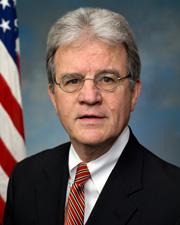
Dubbed the currency of corruption by the late Senator Tom Coburn, earmarks direct federal funds to local projects around the country.

While some fund major infrastructure projects, others pay for everything from shark repellent to wax museums.

Money is typically distributed based on which Congress members have the most seniority or are a member of the majority party.

So both of those are factors into which one of these get picked or not, right? Not based on which proposals have the most merit.

It's who's the senior senator, right? in the majority party right so earmarks also put federal taxpayers on the hook for projects often best funded at the local level based on the needs and desires of the community coburn and president barack obama helped institute a ban on earmarks in 2011 that lasted 11 years and saved 141 billion dollars But the practice returned in 2022, and Republicans and Democrats have gone hog wild with spending since then.


There has been no public update on how many of these may ultimately be included in the draft budget as Congress continues skidding along at current funding levels with a series of continuing resolutions.

the gop traditionally makes fewer requests with more money as they favor infrastructure or defense related projects democrats tend to make more niche requests with smaller dollar amounts the trend continues for fy 2027 with the average house republican request worth 1.7 million and the average democrat requests worth 732 000 that makes republican earmark requests more than twice as expensive Back in 2024, Open the Books measured requests from the ends of the political spectrum in the House of Reps and found a different partisan breakdown.

Freedom Caucus members captured $957 million for their own districts using 210 earmarks scattered throughout the omnibus spending bills.

In 2023 and 2024, by contrast, members of the so-called squad, including AOC, pulled down just $224 million in final earmarks.

So the Senate Appropriations Committee does not publish a spreadsheet of its earmarks and has previously refused to provide Open the Books with an accurate dollar total of its requests.

Instead, our auditors were forced to manually copy and paste requests listed in the Senate's online table into their own spreadsheet.

That methodology was imperfect because the online table lists thousands of duplicate earmarks with slightly different descriptions.

The claims that Senators Angela Alsbrook and Chris Van Hollen each requested $282,000 for nursing education at Cecil College, but the Senators are actually co-sponsoring the same earmark.

Using an AI program to remove the duplicates, our auditors estimate the Senate requested 10,000 earmarks worth $42.5 billion.

It remains impossible to discern a fully accurate total or to know whether Democrats or Republicans are spending more.

The House Appropriations Committee typically publishes a spreadsheet of earmark requests in early summer, but not this year.

As of late September, the House website still claims the spreadsheet is forthcoming.

Inside the House Appropriations Committee published PDF files of earmark requests broken down by committee of jurisdiction, e.g. Ag, Energy, Transport, is linked here.

I've linked the article down in the doobly-doo if people would like to go look at that.
The rest of this transcript — segmented and speaker-labeled, so you land on the exact moment something was said
Search every transcript — by keyword, by phrase, or by meaning, across every show Radar indexes
Trends — what is surging across podcasts, measured against its own baseline
Alerts — when a name you follow appears in a newly indexed episode
No account is needed to search Radar.