Jun 16, 2026 · 42 min · 12 segments
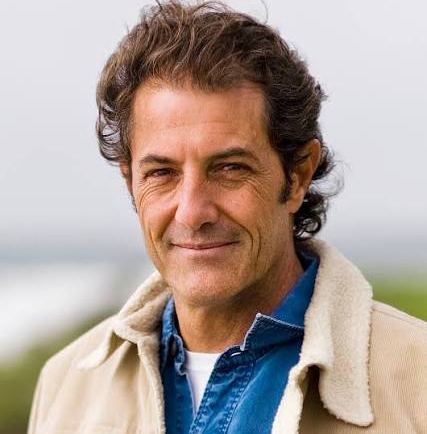
Pete Abell grew up in Gloucestershire. No coastline, no surf breaks, no obvious reason to end up where he did. But when his dad took him to Mawgan Porth at the age of eight with a borrowed foam board…
Pete AbelGuestSalim AhmedHostJust going back to surfing again, just for the people, because there is a bit of a crossover between the people I coach, especially down in Cornwall, who want to mix up the surfing with the swimming.
Um, increasingly I'm getting fascinated by body surfing, which is kind of that middle ground where it's just your body moving through the water like a surfboard in a way, riding the waves, but with your own body.
But there is a huge crossover between the two, and I'm getting increasing numbers of people who want to swim and surf on a, on a retreat.
On, um, surfing specifically, what are the main steps, the three or four main steps you take people through? What's the progression for a complete beginner to, let's say, a, a low-level advanced surfer?

I guess a lot of these people have got water confidence, which is great, and they've obviously got that connection with the water and, and I, I think their swimming would be up to scratch, and you have to sign a form to say that you can swim 50 meters.

And then we go onto a bit of theory for the first lesson, a lot of safety features.

You know, what is a rip current? How do we get out of a rip current? How do you avoid rip currents? Go through the, the parts of the board, introduce, you know, what the fins actually do, why they're there, and the nose, the tail, the rail, where you put your leash.

And then once we've introduced them to the beach, and the flags, and the hazards, and the hand signals, and all the brief, then we, we just, we're just happy with people being able to catch a wave on their belly and then progress pretty much within an hour to standing up 99% of the time.

And then first lesson, stand up, hold your stance for five seconds, and you've had a good morning.

And then, you know, lesson, lesson number two and three, you'd still be perfecting the pop-up and how you get up to your feet.

You'd be thinking about slowing the board down and speeding it up and learning how to turn, control the board.

You know, you'd be doing very well if you got to lesson number four and you'd perfected that.

So some people go off for a bit, carry on their surfing journey for, you know, maybe a month on their own by hiring boards at different places with lifeguards on the beaches.

And then we'd, we'd like to see them back, and they, they normally come up to us and go, "Right, we wanna be going across green, unbroken waves now.

How do we do this?" And that's a big step in your surfing career, is going from white water in the shallows to these lovely big green waves.

It's the feeling you all crave when you, when you get to a certain level in a sport.

We'll t- we'll show them how they can get out back, you know, using currents or brute force or timing or technique with the turtle rolling.

And then we'll teach them all about creating enough speed to actually catch a wave before it topples over, and the timing of that and, and the wave selection.
Just going back to surfing again, just for the people, because there is a bit of a crossover between the people I coach, especially down in Cornwall, who want to mix up the surfing with the swimming.
Um, increasingly I'm getting fascinated by body surfing, which is kind of that middle ground where it's just your body moving through the water like a surfboard in a way, riding the waves, but with your own body.
But there is a huge crossover between the two, and I'm getting increasing numbers of people who want to swim and surf on a, on a retreat.
On, um, surfing specifically, what are the main steps, the three or four main steps you take people through? What's the progression for a complete beginner to, let's say, a, a low-level advanced surfer?

I guess a lot of these people have got water confidence, which is great, and they've obviously got that connection with the water and, and I, I think their swimming would be up to scratch, and you have to sign a form to say that you can swim 50 meters.

And then we go onto a bit of theory for the first lesson, a lot of safety features.

You know, what is a rip current? How do we get out of a rip current? How do you avoid rip currents? Go through the, the parts of the board, introduce, you know, what the fins actually do, why they're there, and the nose, the tail, the rail, where you put your leash.

And then once we've introduced them to the beach, and the flags, and the hazards, and the hand signals, and all the brief, then we, we just, we're just happy with people being able to catch a wave on their belly and then progress pretty much within an hour to standing up 99% of the time.

And then first lesson, stand up, hold your stance for five seconds, and you've had a good morning.

And then, you know, lesson, lesson number two and three, you'd still be perfecting the pop-up and how you get up to your feet.

You'd be thinking about slowing the board down and speeding it up and learning how to turn, control the board.

You know, you'd be doing very well if you got to lesson number four and you'd perfected that.

So some people go off for a bit, carry on their surfing journey for, you know, maybe a month on their own by hiring boards at different places with lifeguards on the beaches.

And then we'd, we'd like to see them back, and they, they normally come up to us and go, "Right, we wanna be going across green, unbroken waves now.

How do we do this?" And that's a big step in your surfing career, is going from white water in the shallows to these lovely big green waves.

It's the feeling you all crave when you, when you get to a certain level in a sport.

We'll t- we'll show them how they can get out back, you know, using currents or brute force or timing or technique with the turtle rolling.

And then we'll teach them all about creating enough speed to actually catch a wave before it topples over, and the timing of that and, and the wave selection.
The rest of this transcript — segmented and speaker-labeled, so you land on the exact moment something was said
Search every transcript — by keyword, by phrase, or by meaning, across every show Radar indexes
Trends — what is surging across podcasts, measured against its own baseline
Alerts — when a name you follow appears in a newly indexed episode
No account is needed to search Radar.