396: Great Leaders Turn the Temperature Down
Sep 29, 2026 · 48 min · 10 segments
Great leaders know how to turn the temperature down when everyone else is turning it up. Roxanne Petraeus discovered that early as a U.S. Army officer, watching the leaders she most admired become…
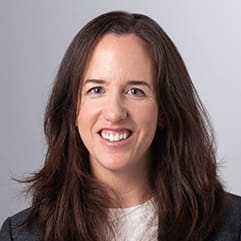
Great leaders know how to turn the temperature down when everyone else is turning it up. Roxanne Petraeus discovered that early as a U.S. Army officer, watching the leaders she most admired become calmer as situations grew more stressful. Today, as CEO of Ethena, she draws on those lessons to lead through uncertainty, develop other leaders, and create an environment where people can think clearly instead of reacting from fear. You'll hear how Roxanne responded when COVID derailed a critical fundraising effort, why she believes bad news should never be sugarcoated, and what being one of very few women in both the Army and venture capital taught her about confidence and authenticity. She also explains why your most important work as a leader may be the conversations that produce nothing tangible, how your behavior signals what you'll tolerate, and why learning something new in public—including AI—may be one of the most powerful ways to lead. Roxanne is the co-founder and CEO of Ethena, a compliance training company trusted by more than 2,000 organizations, including Pinterest, Zendesk, Notion, and Figma. A U.S. Army veteran, Roxanne served as an engineer officer in Afghanistan and later as a Civil Affairs officer supporting Special Operations. She went on to become a Rhodes Scholar at Oxford and worked at McKinsey before co-founding Ethena. Since launching Ethena in 2019, Roxanne has raised $50 million in venture capital while building a company focused on taking workplace compliance beyond simply checking the box. Throughout her career, she has maintained a deep interest in learning about and practicing effective leadership. **You'll discover** - How your calmness changes others under pressure - Why transparency builds trust during uncertainty - What helps you lead without being the expert - How your behavior signals what you'll tolerate - Why learning publicly gives others courage **Connect with Roxanne Petraeus on Social Media** LinkedIn https://www.linkedin.com/in/roxanne-bras-petraeus-2292b8109/ **Website** Ethena https://www.goethena.com/ Check out all the episodes Leave a review on Apple Podcasts Connect with Meredith on LinkedIn
Great leaders know how to turn the temperature down when everyone else is turning it up. Roxanne Petraeus discovered that early as a U.S. Army officer, watching the leaders she most admired become…