Nov 13, 2026 · 20 min · 10 segments
Christians in Nigeria are facing deadly persecution. But does America have a responsibility to intervene? Should the United States use military force to protect persecuted Christians overseas? In…
Alex KocmanHost
About a year ago this week, October 31st, 2025, the presidential administration put Nigeria back on the State Department's list of countries of particular concern for religious freedom.

Early on December 26th of last year, a Navy destroyer in the Gulf of Guinea launched tomahawks at two Islamic State camps in Sokoto State, with Reaper drones finishing the job.

The president's line afterward was, he said, I'd love to make it a one-time strike, but if they continue to kill Christians, it will be a many-time strike.

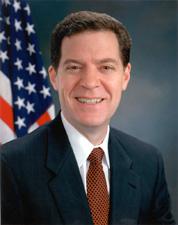
trainers in february a joint raid in may that killed the leader of isis west africa by july most of the americans were home and the mission had shrunk to intelligence support and now to the letter on october 26th of this year just a few short days ago a coalition led by former ambassador sam brownback and save the persecuted christians asked the president to task the intelligence community on the fulani militia networks specifically the their financing, their arms, their cross-border movement as well.

Religious Freedom Commission estimates something like 30,000 armed Fulani militants.

One Nigerian monitoring group counts more than 3,000 Christians killed in the first eight months of this year, and about as many abducted, according to InterSociety.

Some say they've felt invisible for years and they're welcoming the help and attention.

Others are worried that a foreign power framing their war as a straightforward Christian versus Muslim conflict will make it even worse.

So, you have a nation of 230 million, roughly half of them are Christian brothers and sisters according to their profession, and that nation is on fire.

And you have an American government prodded by American evangelicals deciding how much of itself to spend there.

From the one side, you'll hear those that say it's not our war, not our continent.

We have, after all, and this is true, we have a fentanyl and a border and a debt crisis.
The rest of this transcript — segmented and speaker-labeled, so you land on the exact moment something was said
Search every transcript — by keyword, by phrase, or by meaning, across every show Radar indexes
Trends — what is surging across podcasts, measured against its own baseline
Alerts — when a name you follow appears in a newly indexed episode
No account is needed to search Radar.