Duke Wisdom: A Duke Basketball Podcast
Aug 11, 2026 · 33 min · 10 segments
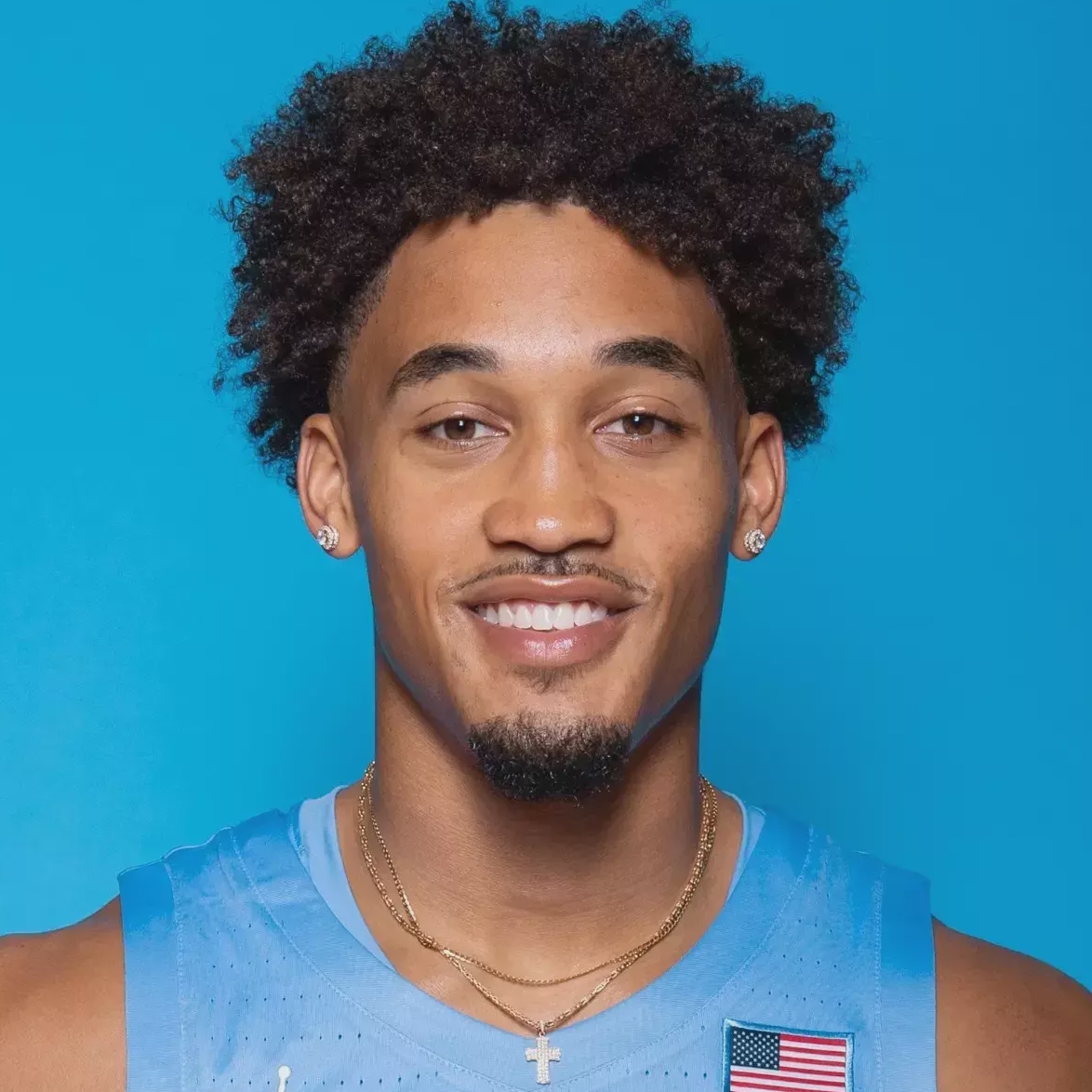
Ben and Clinton discuss the new 5-for-5 rule in the NCAA. Will Caleb Foster or John Blackwell utilize it? Outlook for Duke football after ACC media tabs them No. 10 in the league preseason. Find…
Ben McCormickHost
Clinton WeaverHost
Um, but first of all, let's, let's jump into that five for five rule, right? So that was something that had been discussed the, the whole season, where it was like, these guys want five years.

And we got a taste of that during COVID, right? They, they, they let these guys play five years, and then eventually we got to classes where people didn't get five years, and then there was a little bit of complaining about that.

And I think there was a little bit of unrest because there was so much transferring and guys that were in their seventh year post high school, their eighth year post high school, that were still playing because they still hadn't exhausted those five years.

Um, and so this new rule change is, well, you've got five years from that high school graduation date.

Um, and if you, you, if you run it in a straight line and you don't miss any of them, feasibly you can play for five full seasons, which is a, a pretty monstrous change to what we've been used to in college basketball.

And so th- there are a lot of implications for this, but I guess the way that I'll just throw it out to you is, um, are you for this rule change? The initial rule change, at least.

Well, it took me six years to get through college, so, um, I, I appreciate having an extra.

I, I appreciated having two extra, in my case, to, uh, figure my way how, how to graduate.

Um, I mean, what difference does it make if it's four or it's five? I think the heartburn is the fact that it changed, and there's no way to go back.

You know, it, it has to change at a certain point in time, right? And you can't go back retroactively, or maybe you can because some people are suing now, saying, "This isn't fair and I should have my five years too." So there's no good time for, to make it.

But, um, you know, it used to be that, uh, you basically had three years when it came to playing, right? Because if you were a freshman, you didn't get to play on the varsity, you had to play with the freshmen.

Well, one thing I wanna, I wanna sort of piggyback off one thing you're saying here, 'cause it did used to be three years.

And so something that people were complaining about a lot during that COVID era was records being broken.

And so I think when you, when you sort of look at that three to four-year transition, there's not a lot of those three-year guys whose records held up after 30 or 40 years.

Uh, you know, Pistol Pete's probably one of the prime examples of a guy who really had a lot of longevity in his records, and not many do.

Um, but first of all, let's, let's jump into that five for five rule, right? So that was something that had been discussed the, the whole season, where it was like, these guys want five years.

And we got a taste of that during COVID, right? They, they, they let these guys play five years, and then eventually we got to classes where people didn't get five years, and then there was a little bit of complaining about that.

And I think there was a little bit of unrest because there was so much transferring and guys that were in their seventh year post high school, their eighth year post high school, that were still playing because they still hadn't exhausted those five years.

Um, and so this new rule change is, well, you've got five years from that high school graduation date.

Um, and if you, you, if you run it in a straight line and you don't miss any of them, feasibly you can play for five full seasons, which is a, a pretty monstrous change to what we've been used to in college basketball.

And so th- there are a lot of implications for this, but I guess the way that I'll just throw it out to you is, um, are you for this rule change? The initial rule change, at least.

Well, it took me six years to get through college, so, um, I, I appreciate having an extra.

I, I appreciated having two extra, in my case, to, uh, figure my way how, how to graduate.

Um, I mean, what difference does it make if it's four or it's five? I think the heartburn is the fact that it changed, and there's no way to go back.

You know, it, it has to change at a certain point in time, right? And you can't go back retroactively, or maybe you can because some people are suing now, saying, "This isn't fair and I should have my five years too." So there's no good time for, to make it.

But, um, you know, it used to be that, uh, you basically had three years when it came to playing, right? Because if you were a freshman, you didn't get to play on the varsity, you had to play with the freshmen.

Well, one thing I wanna, I wanna sort of piggyback off one thing you're saying here, 'cause it did used to be three years.

And so something that people were complaining about a lot during that COVID era was records being broken.

And so I think when you, when you sort of look at that three to four-year transition, there's not a lot of those three-year guys whose records held up after 30 or 40 years.

Uh, you know, Pistol Pete's probably one of the prime examples of a guy who really had a lot of longevity in his records, and not many do.
The rest of this transcript — segmented and speaker-labeled, so you land on the exact moment something was said
Search every transcript — by keyword, by phrase, or by meaning, across every show Radar indexes
Trends — what is surging across podcasts, measured against its own baseline
Alerts — when a name you follow appears in a newly indexed episode
No account is needed to search Radar.