Sep 29, 2026 · 1 hr 21 min · 10 segments
Only 13 shirts in stock (S,M,L) when this episode went live! On October 21, 1966, a 111-foot coal-waste spoil tip collapsed on the…
People were admitted one or two at a time to identify the bodies, and others recorded the names of those who were still missing and not yet identified.
With no more room, five doors down from the chapel, inside a fish shop, they issued burial and cremation certificates.
The rescue efforts continued for two weeks straight, although no more survivors were found after those first two hours.
The first funerals, which were for five of the children, were carried out on October 25th, and a mass funeral for 81 of the children and one woman took place on October 27th.
They were buried at Bryntoff Cemetery, and each plot was given a white stone arch.
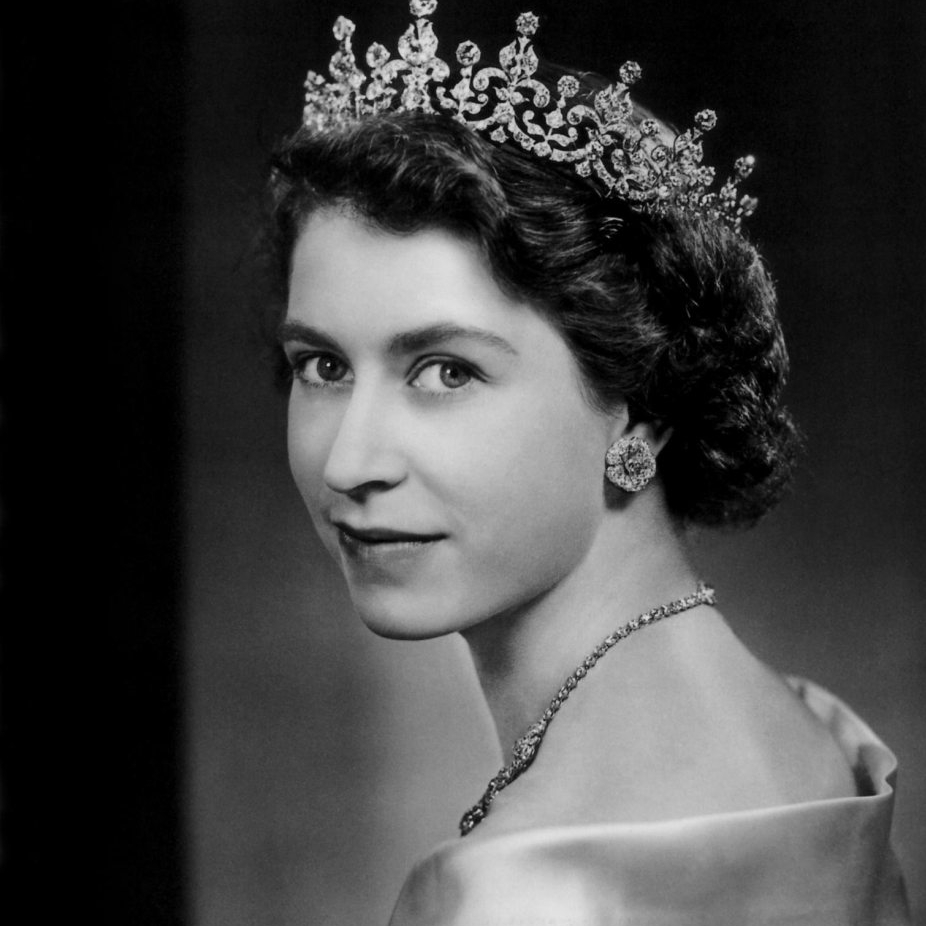
Tens of thousands of people attended this ceremony, and Queen Elizabeth II paid her respects a few days later.
On October 24th, 1966, one man who had lost his wife and two sons arrived at the coroner's inquest.
This man and many others waited to hear the cause of death for 30 of the children who had been located, and it was determined that many had been buried alive and suffocated by the coal waste material.
This man, when he heard his deceased family members' names called out, he said this, "No, sir.
Buried alive by the National Coal Board." Many believe that the NCB was fully responsible and neglected all warning signs.
The Tribunal of Inquiry into the Aberfan disaster was established that year, and its goal was to understand the causes and the circumstances surrounding this disaster.
Seeing that the spoil heap had been placed over a natural spring and there was heavy rain for three weeks, the cause of the disaster was very obvious.
The question then became whether the NCB could have known this would cause a disaster.
Tip number four rolled down the hill, stopping only 500 feet from the village two decades before.
And in May of 1963, tip number seven, the one that ultimately caused this disaster, had shifted just slightly.
An ominous crater appeared at the top and a bulge formed at the foot from the spring water underneath.
And in November, there was a more substantial slide, but NCB wrote it off as tailings running off the surface.
Residents had also contacted the NCB with numerous complaints and told the board that they were worried about the spoil tips, especially since it was looming just above the school.
They also complained that floodwaters had carried the spoil, resulting in clogged pipes and clogged drainage ditches, and their water supply would be dark and greasy.
People were admitted one or two at a time to identify the bodies, and others recorded the names of those who were still missing and not yet identified.
With no more room, five doors down from the chapel, inside a fish shop, they issued burial and cremation certificates.
The rescue efforts continued for two weeks straight, although no more survivors were found after those first two hours.
The first funerals, which were for five of the children, were carried out on October 25th, and a mass funeral for 81 of the children and one woman took place on October 27th.
They were buried at Bryntoff Cemetery, and each plot was given a white stone arch.
Tens of thousands of people attended this ceremony, and Queen Elizabeth II paid her respects a few days later.
On October 24th, 1966, one man who had lost his wife and two sons arrived at the coroner's inquest.
This man and many others waited to hear the cause of death for 30 of the children who had been located, and it was determined that many had been buried alive and suffocated by the coal waste material.
This man, when he heard his deceased family members' names called out, he said this, "No, sir.
Buried alive by the National Coal Board." Many believe that the NCB was fully responsible and neglected all warning signs.
The Tribunal of Inquiry into the Aberfan disaster was established that year, and its goal was to understand the causes and the circumstances surrounding this disaster.
Seeing that the spoil heap had been placed over a natural spring and there was heavy rain for three weeks, the cause of the disaster was very obvious.
The question then became whether the NCB could have known this would cause a disaster.
Tip number four rolled down the hill, stopping only 500 feet from the village two decades before.
And in May of 1963, tip number seven, the one that ultimately caused this disaster, had shifted just slightly.
An ominous crater appeared at the top and a bulge formed at the foot from the spring water underneath.
And in November, there was a more substantial slide, but NCB wrote it off as tailings running off the surface.
Residents had also contacted the NCB with numerous complaints and told the board that they were worried about the spoil tips, especially since it was looming just above the school.
They also complained that floodwaters had carried the spoil, resulting in clogged pipes and clogged drainage ditches, and their water supply would be dark and greasy.
The rest of this transcript — segmented and speaker-labeled, so you land on the exact moment something was said
Search every transcript — by keyword, by phrase, or by meaning, across every show Radar indexes
Trends — what is surging across podcasts, measured against its own baseline
Alerts — when a name you follow appears in a newly indexed episode
No account is needed to search Radar.