Toxic Dust and Economic Collapse: The Real Cost of losing the Great Salt Lake
Jun 25, 2026 · 33 min · 12 segments
The Great Salt Lake is disappearing. With two-thirds of its water gone and more than half of its area…
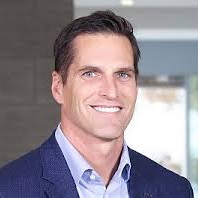
The Great Salt Lake is disappearing. With two-thirds of its water gone and more than half of its area desiccated, experts warn that Utah is sitting on an environmental time bomb. In this episode of "Deseret Voices," host Jane Clayson Johnson sits down with two leading figures at the forefront of the restoration movement to discuss the stark reality of the lake's decline, the catastrophic health and economic risks of inaction, and why there is still profound hope for a solution. ### Our Guests: - Dr. Ben Abbott: Professor of ecology at Brigham Young University and executive director of Grow the Flow Utah. Dr. Abbott brings global expertise in water security and a deep ecological understanding of the lake’s current crisis. - Josh Romney: Co-founder and chairman of Great Salt Lake Rising and a dedicated Utahn fighting to ensure the state remains a safe, thriving home for future generations. Romney bridges the gap between environmental necessity, economic reality, and political action. ### What We Discuss in This Episode: - The Shocking Reality: Why the shrinking lake is a "local problem with a global warning," and how its disappearance impacts local weather patterns and winter snowpack. - The Hidden Health Hazards: The dangerous composition of the exposed lakebed dust — including toxic levels of arsenic, mercury, and selenium — and what happens when it blows into major metropolitan areas. - Agriculture vs. Residential Water Use: Breaking down the math of water consumption. Why changing how we water our lawns and partnering financially with the agricultural community are both critical keys to the lake's survival. - Politics and Funding: A look at the growing political will to save the lake, including the direct involvement of President Donald Trump, whose 2027 fiscal budget proposal includes a historic $1 billion funding request for restoration efforts. - The 2034 Olympic Goal: Can the lake be set on a path to full recovery before the world arrives in Utah for the Winter Games? "If we can't fix it here, it can't be fixed anywhere. What we are about to do is create a model for the world on how to rescue saline lakes." — Josh Romney ### Why This Matters: This isn't just a Utah issue; it's an American issue. From vital mineral supplies to global seafood chains, the collapse of the Great Salt Lake would trigger an economic and ecological disaster felt nationwide. Tune in to find out how a unique public-private partnership is turning a monumental threat into a historic opportunity for innovation and environmental stewardship. “Deseret Voices” is hosted by award-winning journalists McKay Coppins and Jane Clayson Johnson, who go beyond the headlines to explore the stories, people, and ideas shaping our world today. Through thoughtful, in-depth conversations, the “Deseret Voices” podcast brings clarity and common ground to the complex issues defining our time. “Deseret Voices” is a Deseret News podcast, produced by Keira Farrimond, Creative Director - Video & Podcasts. Episodes of “Deseret Voices” drop every Thursday wherever you get your podcasts. Follow along and join the conversation on YouTube (@deseretnews), Instagram (@deseretnews), Facebook (@deseretnews) and X (@deseret).
The Great Salt Lake is disappearing. With two-thirds of its water gone and more than half of its area…