Delphic Podcast by Michael R D James
Jul 17, 2026 · 12 min · 9 segments
The form of finality of an object refers to the way in which the object relates to the powers of the mind involved in the experience of the object. Occidental Mythology and Oriental Mythology have…
Michael R. D. JamesHostHere the transcendental analogy related to what we observe in nature, living and inorganic, is also related to the changes we bring about as human agents.
This is certainly more relevant to the life form changes we observe than for the purely physical changes we observe in a nature consisting of a multiplicity of inorganic causes which, it can be argued, do not possess any principle of self-causation, e.g., self-preservation, as is the case with life forms such as animals or even a blade of grass.
Life, too, has a multiplicity of causes and for Aristotle, who envisaged four different kinds of causes bringing about change, psyche was the focus of a number of different sciences including biological and philosophical investigations, which ranged over a number of different theoretical, practical, and productive sciences.
Broadly speaking, however, metaphysics divided into two great divisions, the metaphysics of nature and the metaphysics of morals.
The critique of aesthetic and teleological judgment formed a bridge between these realms of the concepts of nature and the concepts related to freedom.
Aesthetic judgment, for example, prepares the sensible mind for moral feelings and it is this relationship which Kant refers to when he speaks of beauty being the symbol of morality.
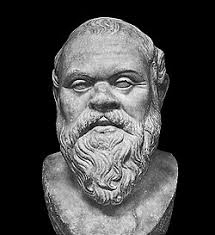
This position also connects with the Platonic claim that the pleasure we feel in the name of the form of the good is the highest of all the forms of human pleasure.
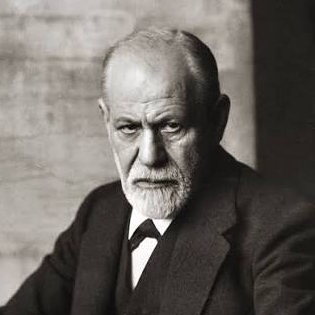
We know that the sensible power of the imagination is in intimate communion with the pleasure-pain principle and the understanding, and also know that this general characterization does not refer to the Freudian pathological phantasy-laden cases Freud dealt with in his consulting rooms.
In the case of the judgment of taste, we are dealing with a power that discriminates and estimates in a contemplative mood disconnected with any practical interests we may have in the object that is being judged.
In this case, it is the meaning of the representation that is significant.
Here the representation is referred to the subject and what is more to its feeling of life under the name of the feeling of pleasure or displeasure.
The pleasure in the good that Plato referred to included objects connected to our interest, page forty-six.
Here the transcendental analogy related to what we observe in nature, living and inorganic, is also related to the changes we bring about as human agents.
This is certainly more relevant to the life form changes we observe than for the purely physical changes we observe in a nature consisting of a multiplicity of inorganic causes which, it can be argued, do not possess any principle of self-causation, e.g., self-preservation, as is the case with life forms such as animals or even a blade of grass.
Life, too, has a multiplicity of causes and for Aristotle, who envisaged four different kinds of causes bringing about change, psyche was the focus of a number of different sciences including biological and philosophical investigations, which ranged over a number of different theoretical, practical, and productive sciences.
Broadly speaking, however, metaphysics divided into two great divisions, the metaphysics of nature and the metaphysics of morals.
The critique of aesthetic and teleological judgment formed a bridge between these realms of the concepts of nature and the concepts related to freedom.
Aesthetic judgment, for example, prepares the sensible mind for moral feelings and it is this relationship which Kant refers to when he speaks of beauty being the symbol of morality.
This position also connects with the Platonic claim that the pleasure we feel in the name of the form of the good is the highest of all the forms of human pleasure.
We know that the sensible power of the imagination is in intimate communion with the pleasure-pain principle and the understanding, and also know that this general characterization does not refer to the Freudian pathological phantasy-laden cases Freud dealt with in his consulting rooms.
In the case of the judgment of taste, we are dealing with a power that discriminates and estimates in a contemplative mood disconnected with any practical interests we may have in the object that is being judged.
In this case, it is the meaning of the representation that is significant.
Here the representation is referred to the subject and what is more to its feeling of life under the name of the feeling of pleasure or displeasure.
The pleasure in the good that Plato referred to included objects connected to our interest, page forty-six.
The rest of this transcript — segmented and speaker-labeled, so you land on the exact moment something was said
Search every transcript — by keyword, by phrase, or by meaning, across every show Radar indexes
Trends — what is surging across podcasts, measured against its own baseline
Alerts — when a name you follow appears in a newly indexed episode
No account is needed to search Radar.