Episode 50: Deep Time
Oct 15, 2026 · 48 min · 12 segments
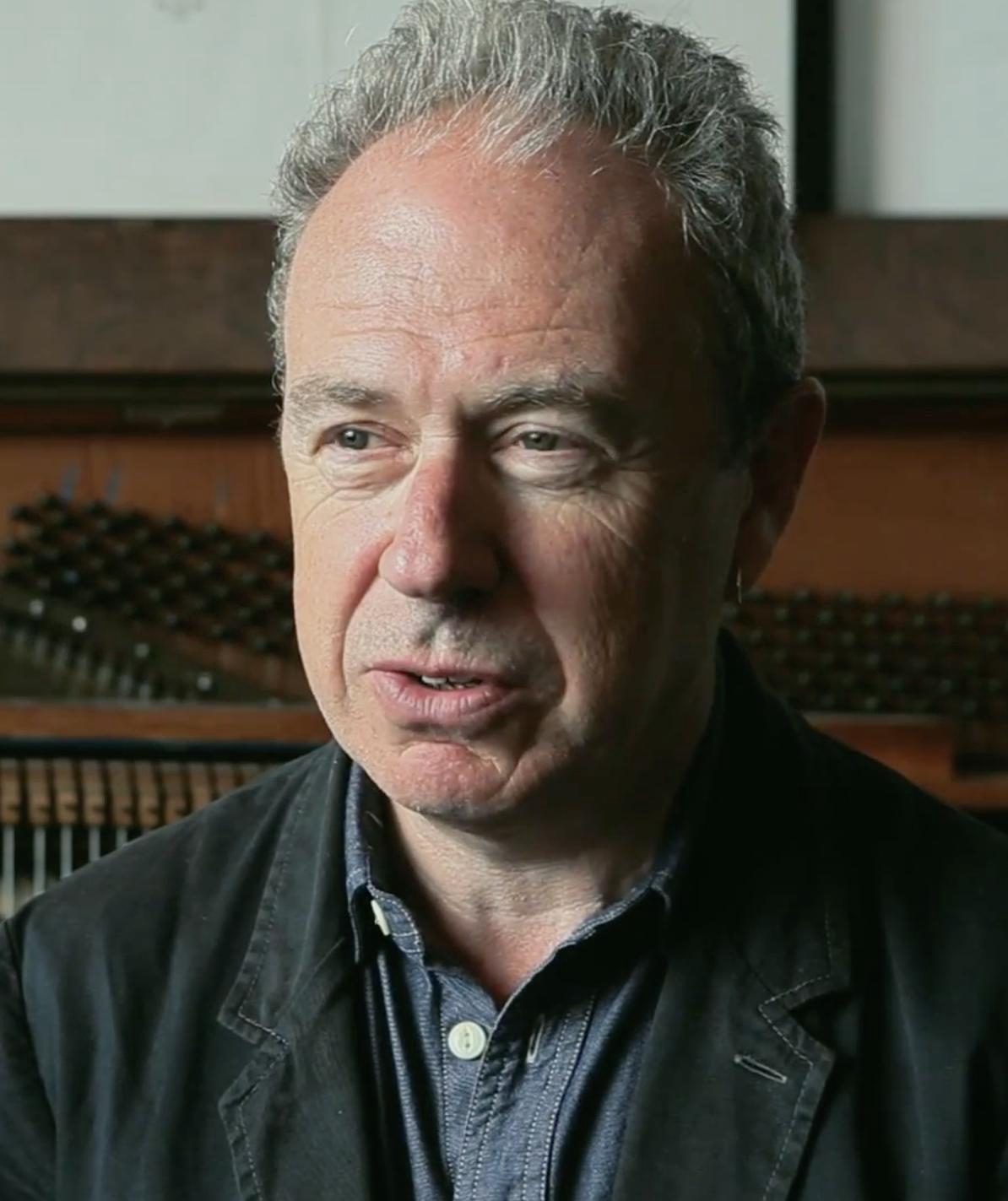
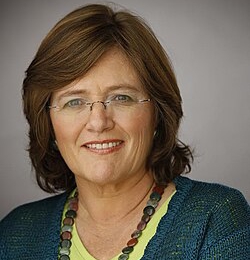
Episode 50 explores the mysteries of Geologic Time with geologist Marcia Bjornerud and composer Niloufar Nourbakhsh, offering musical and scientific perspectives on Earth's multi-billion-year history…
Episode 50 explores the mysteries of Geologic Time with geologist Marcia Bjornerud and composer Niloufar Nourbakhsh, offering musical and scientific perspectives on Earth's multi-billion-year history. We discuss Dr. Bjornerud's award-winning books, Ms. Nourbakhsh's compositions, and other pieces of music that spread over mind-boggling time spans, including "As Slow As Possible," John Cage's 639-year organ piece currently unfolding in Halberstadt, Germany. #geology #deeptime #timescale #rocks https://humansandnature.org/marcia-bjornerud/ https://niloufarnourbakhsh.com/ https://www.mnphil.org/ https://www.aslsp.org/ https://www.arthurganson.com/ https://longplayer.org/ https://africanrockart.org/ MUSIC & VIDEO Marcia Bjornerud & Niloufar Nourbakhsh Interview August 21, 2026 "Deep Time" Minnesota Philharmonic Orchestra, Brian Dowdy - Conductor May 16, 2026 "How To Make A Palaeolithic Hand Axe" Flint Knapping with Phil Harding Courtesy Time Team Vietnamese đàn đá Binh Phuoc (Central Highlands) Courtesy YouTube user ykumich Lithophone Grand Pressigny Ringot Played by Jean-Loup Ringot Local musicians playing rocks at Birnin Kudu, Jigawa State, Nigeria Courtesy The Trust For African Rock Art Yadgar - Voice and Qairaq (stones) An Anthology Of The World's Music: Afghanistan III AST-4007 "White Helmets as White As Death" Niloufar Nourbakhsh - Composer Flute: Eun Hae Grace Oh Viola: Micaela Fruend Haimov Violin: Shanrong Sabrina Tuo "Cavities" Niloufar Nourbakhsh - composer Ensemble for These Times Lylia Guion - Viola Megan Chartier - Cello Taylor Chan - Piano April 4, 2025 San Francisco, CA Gavotte in D Minor J.S. Bach Marguerite Andre-Chastel - piano Pathe PD 119 "ASLSP" Chord Change February 5, 2022 Courtesy John Cage Organ Project Halberstadt Rainer Neugebauer Interview October 26, 2021 "Beholding The Big Bang" Arthur Ganson, 2009 "Longplayer" Jem Finer - composer London, 1999-2999 "Olitsky" Ian D. Mellish (aka Mel) May 1987, Breck's Nook, York "310: ΩΣPx0(2^18×5^18)p\*k\*k\*k" Bull Of Heaven bullofheaven.com "Our Love Is Here To Stay" George Gershwin & Vernon Duke Rosemary Clooney & The Glenn Miller Orchestra New Year's Eve PBS broadcast 1988 Every attempt has been made to secure permission from copyright holders of audio and video content used in this program. The use of copyrighted material is for non-commercial, educational purposes, and is intended to provide benefit to the public. Copyrighted material used is supplementary and illustrative, and does not detract from the commercial value of the original content. "Cool Tunes For A Hot Planet" uses only the minimum amount of copyrighted material to fulfill its educational purpose. We believe our use constitutes "Fair Use" of this material as provided for in the US Copyright Act of 1976, Sections 106A-117.If you feel any content in this episode violates your copyright, please contact us immediately and we will address your concern appropriately.
Episode 50 explores the mysteries of Geologic Time with geologist Marcia Bjornerud and composer Niloufar Nourbakhsh, offering musical and scientific perspectives on Earth's multi-billion-year history…