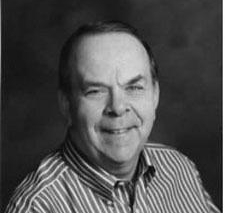
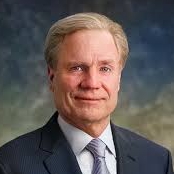
Barry O'ReillyGuest
Skip StewartHost
Brad ParsonsHost
Bill CloudHost
Barry, I got a question for you about the term artificial organizations, uh, or artificial anything.

So one of my hobbies, um, and I think this goes back to the dot com era, is that I'm always thinking about business ideas.

And then as soon as I think about a business idea, the next thing I do is I go and look if I can buy the website, right? And it, and whatever that is.

It's like herdingcats.com right through to artificialorganizations.com, you know? And for me, again, one of the things I was thinking a lot about, and it's like this idea of lean enterprise, right? Like, um, even lean startup, like what did that mean at the time? It was like a, a methodology and, and a context really.

And what I was thinking as we started to experiment more and more with these technologies, it became very apparent, at least to me when I sort of was projecting forward, that this idea of, um, artificial intelligence and, and what it meant was really gonna permeate sort of our industry, our companies.

And again, ultimately a- a- an organization is a collection of people- So I was just trying to riff on interesting words that sort of were provocative, right? Unlearn is quite a provocative word.

People always ring me up and go like, "What do you, what do you mean I need to unlearn? What are you talking about?" And I also felt like, you know, artificial organizations was sort of this like, it's kind of provocative.

Like, in an English direct translation, it's almost like, are you saying fake organizations? Like org- organizations that don't exist? Or, um, the play on world, it, where like rather than having artificial intelligence, I was like, right, artificial organization rather than intelligent organization.

And that, that again, um, I guess it's a hallmark of when I'm trying to write these books is to make it memorable for people.


It's not gonna work too well over in Germany, but that was really the intent, um, behind it.

And, um, again, I think it's one of those things where it, it's memorable for people.
The rest of this transcript — segmented and speaker-labeled, so you land on the exact moment something was said
Search every transcript — by keyword, by phrase, or by meaning, across every show Radar indexes
Trends — what is surging across podcasts, measured against its own baseline
Alerts — when a name you follow appears in a newly indexed episode
No account is needed to search Radar.