Understanding Sport Science: Research, Evidence & Coaching | Dr David Nolan
Sep 4, 2026 · 1 hr 30 min · 11 segments
**Get my weekly coaching & Sport Science email:** https://fhs-performance.kit.com/4d8709e773 **Irish Strength & Conditioning Conference 2026:**…
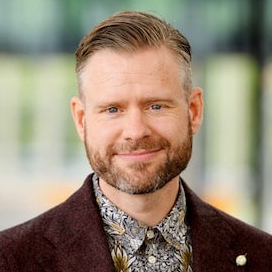
**Get my weekly coaching & Sport Science email:** https://fhs-performance.kit.com/4d8709e773 **Irish Strength & Conditioning Conference 2026:** https://irishsandcnetwork.circle.so/c/iscn-news/irish-strength-conditioning-conference-2026 In this episode of **Coach's Lab**, I’m joined by **Dr David Nolan**, Assistant Professor in Sport and Exercise Sciences at Dublin City University (DCU), applied sport scientist and one of the main organisers of the Irish Strength & Conditioning Conference. We explore what **sport science actually is**, how it differs from strength and conditioning, and what coaches and practitioners need to understand about using research and evidence in the real world. David describes the sport scientist as something like a **GP for performance** – someone with a broad understanding of the different factors influencing performance who can help coaches identify problems, interpret information and connect with specialists when required. We also discuss the role of the S&C coach within a wider coaching team, why good physical preparation can often happen "in the shadows", and how practitioners can better integrate their work with what happens on the pitch. A large part of the conversation focuses on **research, evidence and critical thinking**. We discuss why science rarely provides a definitive answer, the importance of understanding uncertainty and context, and how coaches can combine research evidence with practical experience when making decisions. We also explore **female athlete research**, communication between academics and practitioners, the challenges of applying research to real-world sport, and what good interdisciplinary sport science support can look like. Towards the end, David discusses the development of the **Irish Strength & Conditioning Network** and the upcoming Irish Strength & Conditioning Conference. **Topics include:** - Sport science vs strength and conditioning - The role of the sport scientist - Integrating S&C with coaching and sports practice - Using data to support coaching decisions - Research evidence vs practical experience - Understanding uncertainty in sport science - Critical thinking for coaches - Female athlete research - Communication between researchers and practitioners - Applying research in real-world environments - The Irish Strength & Conditioning Conference **Follow David Nolan on Instagram:** https://www.instagram.com/drdavidnolan/ **Irish Strength & Conditioning Conference 2026:** https://irishsandcnetwork.circle.so/c/iscn-news/irish-strength-conditioning-conference-2026 **Join my weekly coaching & Sport Science email:** https://fhs-performance.kit.com/4d8709e773
**Get my weekly coaching & Sport Science email:** https://fhs-performance.kit.com/4d8709e773 **Irish Strength & Conditioning Conference 2026:**…