A Man Gets Hit by Lightning, Gains Real-Life Super Powers After Recovery
Sep 26, 2026 · 15 min · 14 segments
Go to https://buyraycon.com/brew for 15% off your order! Brought to you by Raycon. Today we're exploring the difference between geniuses by birth like Kim Peek, the…
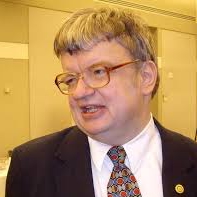
Go to https://buyraycon.com/brew for 15% off your order! Brought to you by Raycon. Today we're exploring the difference between geniuses by birth like Kim Peek, the inspiration for Dustin Hoffman's Rain Man, and savants who have acquired their skills. I wonder if there’s a way for all of us to tap into that genius – I can barely remember where I left my coffee right after I’ve made it. Sources: \[Genius by birth?] https://www.nytimes.com/2009/12/27/us/27peek.html https://youtu.be/eKC03VHl29c https://youtu.be/36K1HQvUdWg https://youtu.be/TBMCCqso8ag https://media.giphy.com/media/3o7btPCcdNniyf0ArS/giphy.mp4 \[Autistic Savants] https://www.ncbi.nlm.nih.gov/pmc/articles/PMC2677584/ https://youtu.be/5oyZJDBUzWc https://youtu.be/KFzyKNfoNtc https://youtu.be/7zDmlkn1gbQ https://youtu.be/TvRhfaouBHs https://youtu.be/D\_nTi4auLZE https://youtu.be/G4Hwsz1sQmc http://focusproductions.co.uk/wp-content/uploads/2011/08/Kim-Peek-meets-Dustin-Hoffman-who-plays-him-in-the-film-Rainman.jpg https://media.giphy.com/media/3gtbfq9iNgaKA/giphy.mp4 https://2.bp.blogspot.com/-CNnZvI2yR48/TZnRDt-oaEI/AAAAAAAAHTE/VA4NvWfRMi4/s1600/esclave\Alexis\de\_Tocqueville.jpg https://www.gannett-cdn.com/-mm-/e9c76406e2cc255455f8a784eb318461f02bba3b/c=0-50-1500-2050/local/-/media/2016/02/16/WIGroup/FondduLac/635912420970131909-Treffert-Dr-Darold-5x7-Color.jpg https://youtu.be/gvuz0BVy5TM https://www.videvo.net/video/baby-in-pushchair-03/6189/ https://commons.wikimedia.org/wiki/File:Kim\Peek\on\Jan\16,\_2007.png https://youtu.be/-O2eH0UzyHI https://www.lansi-uusimaa.fi/sites/default/files/styles/free\w768\-\esm\2018/public/documentimages/20328424.jpg https://youtu.be/q9r0XgTfnpQ \[Acquired Savants] https://www.mentalfloss.com/article/25048/amazing-stories-6-sudden-savants https://www.psychologytoday.com/ca/blog/feeling-too-much/201408/islands-genius-how-savants-do-what-they-do https://youtu.be/y0q4QFSH6DE https://youtu.be/clCFozAoBKY https://youtu.be/9VhEniT-wSA https://media.giphy.com/media/l3vRiLydJmh7X0Yx2/giphy.mp4 https://media.giphy.com/media/l4Jz19hgVBnCCM8uY/giphy.mp4 https://media.giphy.com/media/1lwQMq1ff2y4kv1DpF/giphy.mp4 https://youtu.be/qgOYDTkUZsk https://youtu.be/swOtoHhj4xY https://youtu.be/NYAfmyMZe5g \[Can I Become a Savant?] https://www.ncbi.nlm.nih.gov/pmc/articles/PMC2677578/ https://www.jneurosci.org/content/33/10/4213 https://www.healthline.com/health/depression/repetitive-transcranial-magnetic-stimulation https://youtu.be/JDQOvzFetxs https://youtu.be/i0GKbmbES08 https://youtu.be/wwvRsqLzAJU https://youtu.be/LpaDMgNYkkU https://youtu.be/z03FQGlGgo0 https://youtu.be/IMSe4oJw71g https://youtu.be/MgNK5MKnAXk https://youtu.be/k3q1UTRKow0 https://youtu.be/v1g12k0M0As \[Raycon Ad celebrity photos] Snoop Dogg https://bit.ly/2Ww9Qyo Photo by Glenn Francis of www.PacificProDigital.com Cardi B https://bit.ly/2J4lfOc Photo by Chris Allmeid Melissa Etheridge https://bit.ly/3a5JSG0 Photo by Andemaya Ray J. https://bit.ly/3a6pwMN Photo by Glenn Francis of www.PacificProDigital.com J.R. Smith https://bit.ly/3dgnR9n Photo by Erik Drost Learn more about your ad choices. Visit megaphone.fm/adchoices
Go to https://buyraycon.com/brew for 15% off your order! Brought to you by Raycon. Today we're exploring the difference between geniuses by birth like Kim Peek, the…