Atomically Speaking, the Nuclear Energy and National Security Coalition's Official Podcast
Aug 12, 2026 · 37 min · 14 segments
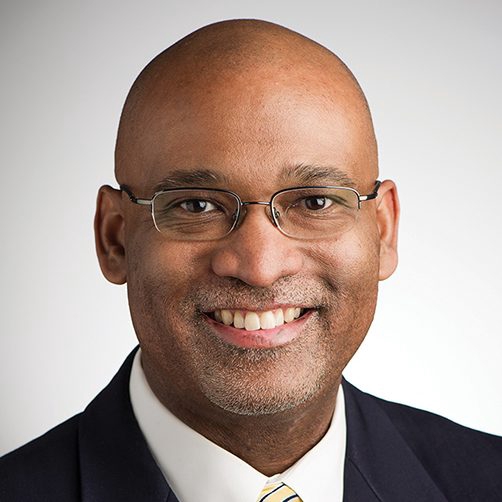
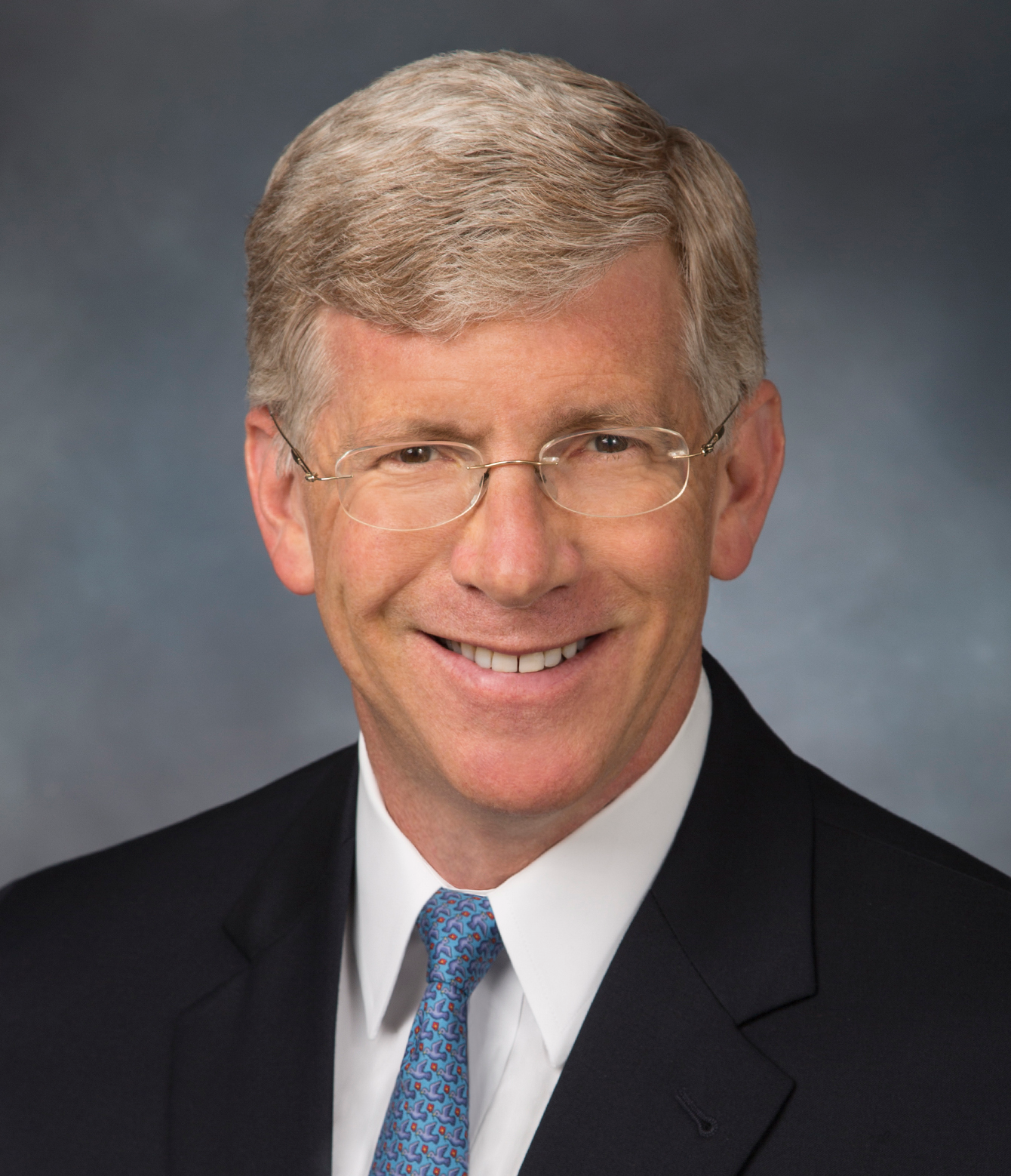
In this episode, NENSC Co-Chair **Daniel Poneman** sits down with **Johney Green** — Director of Savannah River National Laboratory (SRNL) and President and CEO of Battelle Savannah River Alliance…
Johney GreenGuest
Dan PonemanHost
You know, we always start with something interesting and I know you're a native of Memphis and you know, we lost a great Memphis musician here a few months ago, Steve Cropper from Stax Records and Booker T and the MGs and Otis Redding sitting on the dock of the bay.

What was it like growing up in Memphis and was music sort of infused throughout your childhood?


And so I remember going to, you know, various concerts and, you know, my my favorite artist, Prince.

So having been, you know, surrounded by all those great musicians, how did you end up in science? Did you always like math when you were a kid? What led you to the nuclear field?

And so, you know, typically when you are, you know, good at math and science, your teachers and advisors say, you know, you should be either a scientist or an engineer.

And so I was encouraged to go into engineering, you know, you know, through, um, you know, K through 12 education, you know, that was, that was always what, what my teachers were, um, directing me in that, that pathway.

And so, uh, I actually did my, uh, I would, and went to school in Memphis from K through K through nine.

And then I went to high school in Baton Rouge and, uh, I was at Baton Rouge high school.

And ironically, uh, Stephen Stryfer, the director of Oak Ridge National Lab, he's a graduate of Baton Rouge High School.

He was a few years ahead of me, but his brother was in the same graduating class that I was in, ironically, at Baton Rouge High.

And so when I was there, I knew I wanted to go into engineering and I picked mechanical engineering because I didn't know any mechanical engineers, but I was able to, I did a lot of, you know, assembling things for my mother, you know, would be, you know, just, you know, putting stuff together and say, hey, it's mechanical, I'll be a mechanical engineer.
The rest of this transcript — segmented and speaker-labeled, so you land on the exact moment something was said
Search every transcript — by keyword, by phrase, or by meaning, across every show Radar indexes
Trends — what is surging across podcasts, measured against its own baseline
Alerts — when a name you follow appears in a newly indexed episode
No account is needed to search Radar.