May 28, 2026 · 0 min · 12 segments
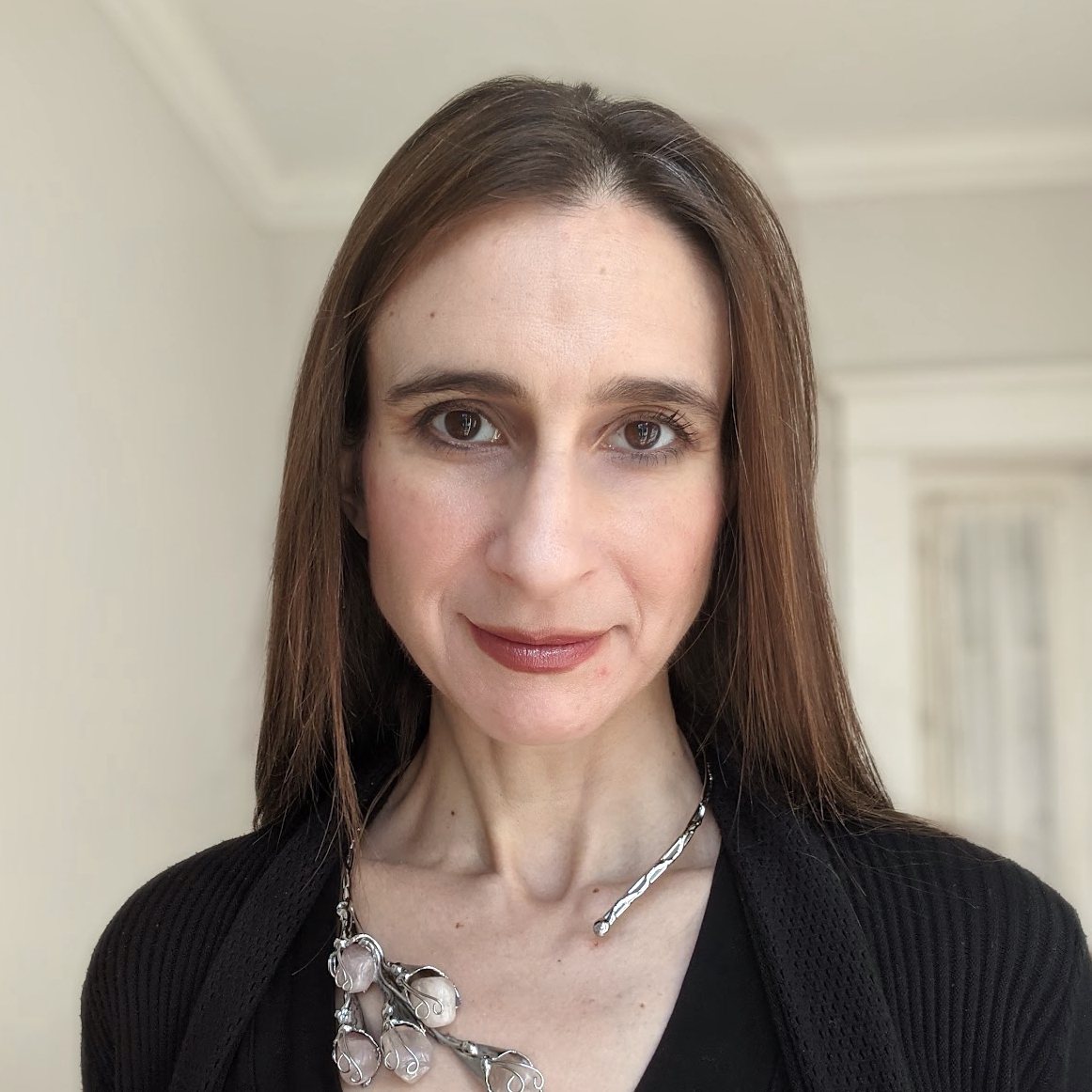
In this episode of ACM ByteCast, Rashmi Mohan hosts 2025 ACM Fellow Cynthia Rudin, the Gilbert, Louis, and Edward Lehrman Distinguished Professor of Computer Science, Electrical and Computer…
Cynthia RudinGuest
Rashmi MohanHost
Yeah, I'd love to hear from you, um, a question that I ask all my guests, which is if you could please introduce yourself and talk about what you currently do as well as give us some insight into what drew you into computer science in the first place.

So I'm a professor at Duke University, and I've been working in interpretable modeling for a really long time.

I started working in this area when I was working on a project with Con Edison in New York City.

There was a group there that wanted to completely change the way that power grids are maintained, and they wanted to do it with machine learning.

I'm gonna throw it into these machine learning models, and it's gonna tell me which manholes to inspect to figure out where there are problems in the power grid," right? We were trying to predict fires and explosions and smoking manholes and things like that.

They were, you know, telling us to go look at manholes where there was, like, almost nothing wrong with them just 'cause they were near other manholes that had problems.

So while we were troubleshooting those, I realized that if we could actually show the machine learning models to the power engineers, they could help us troubleshoot them, and they did.

From there, we were able to get much more accuracy than we could ever get with the black boxes, right? The interpretability made all the difference in the world in that case, and that's kind of how I realized, like, hey, you know, there's, there's a different path for success in machine learning than just throwing black boxes at everything 'cause it doesn't work.

I mean, I think the one thing that I understand from what you said also, Cynthia, is in these domains where you're working with people who are not sort of-- I mean, they're experts in their own areas, but not necessarily computer scientists, it's so critical for you to be able to sort of explain how you're making these decisions and for them to be able to provide you input to sort of refine your model.

Yeah, especially when you're working with really noisy data, like d- data that's not perfect, right? Like a car, a car is a giant black box, right? We don't understand exactly how everything works, but we don't need to because we know that there's physics behind it, right? We know that, that this thing, every time we press this button, it does this, right? But with data, if you're building a model from data, well, that, that gets really noisy 'cause you can't trust a lot of these databases, right? There's, they're not trustworthy.

Yeah, I'd love to hear from you, um, a question that I ask all my guests, which is if you could please introduce yourself and talk about what you currently do as well as give us some insight into what drew you into computer science in the first place.

So I'm a professor at Duke University, and I've been working in interpretable modeling for a really long time.

I started working in this area when I was working on a project with Con Edison in New York City.

There was a group there that wanted to completely change the way that power grids are maintained, and they wanted to do it with machine learning.

I'm gonna throw it into these machine learning models, and it's gonna tell me which manholes to inspect to figure out where there are problems in the power grid," right? We were trying to predict fires and explosions and smoking manholes and things like that.

They were, you know, telling us to go look at manholes where there was, like, almost nothing wrong with them just 'cause they were near other manholes that had problems.

So while we were troubleshooting those, I realized that if we could actually show the machine learning models to the power engineers, they could help us troubleshoot them, and they did.

From there, we were able to get much more accuracy than we could ever get with the black boxes, right? The interpretability made all the difference in the world in that case, and that's kind of how I realized, like, hey, you know, there's, there's a different path for success in machine learning than just throwing black boxes at everything 'cause it doesn't work.

I mean, I think the one thing that I understand from what you said also, Cynthia, is in these domains where you're working with people who are not sort of-- I mean, they're experts in their own areas, but not necessarily computer scientists, it's so critical for you to be able to sort of explain how you're making these decisions and for them to be able to provide you input to sort of refine your model.

Yeah, especially when you're working with really noisy data, like d- data that's not perfect, right? Like a car, a car is a giant black box, right? We don't understand exactly how everything works, but we don't need to because we know that there's physics behind it, right? We know that, that this thing, every time we press this button, it does this, right? But with data, if you're building a model from data, well, that, that gets really noisy 'cause you can't trust a lot of these databases, right? There's, they're not trustworthy.
The rest of this transcript — segmented and speaker-labeled, so you land on the exact moment something was said
Search every transcript — by keyword, by phrase, or by meaning, across every show Radar indexes
Trends — what is surging across podcasts, measured against its own baseline
Alerts — when a name you follow appears in a newly indexed episode
No account is needed to search Radar.