207 - Miccolò Machiavelli
Nov 3, 2026 · 24 min · 11 segments
## Episode Show Notes Love poems that sound like a lovestruck teenager wrote them, but whose author has become a byword for scheming? In this episode we meet the real **Niccolò Machiavelli**, the…
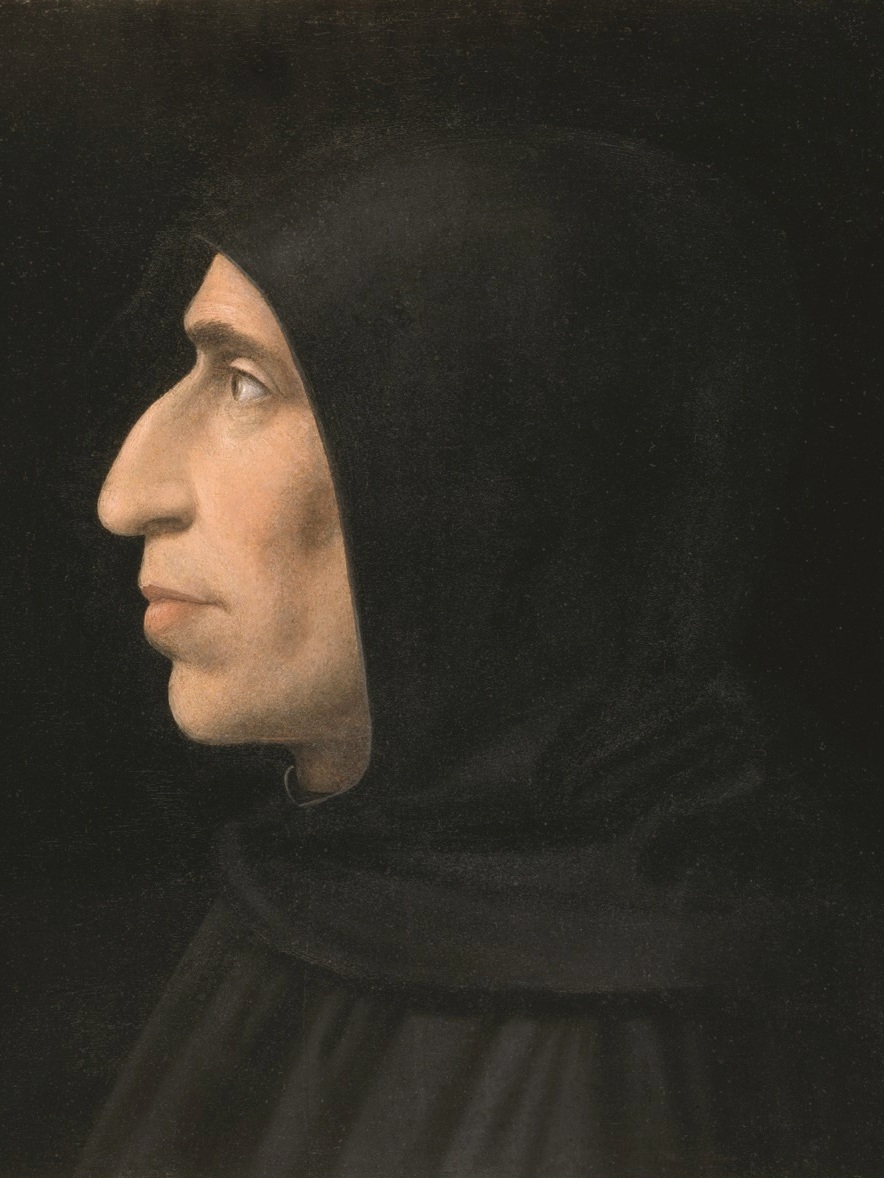
## Episode Show Notes Love poems that sound like a lovestruck teenager wrote them, but whose author has become a byword for scheming? In this episode we meet the real **Niccolò Machiavelli**, the **Renaissance Florentine** whose name became the adjective **"Machiavellian."** His reputation rests on one part of his most famous work, **The Prince** (*De Principatibus*), a treatise on gaining and keeping power that many see as the foundation of **modern political science**. But was Machiavelli really the ruthless opportunist we imagine, or something more complex? We follow his life from his birth in **Florence** in **1469**, through his years as **Secretary of the Florentine Republic**, his imprisonment and **exile under the Medici**, and his late success as a **playwright**. Along the way we find a loving son, a humorous friend, a rather unsuccessful politician and one of the most influential thinkers in **Italian Renaissance history**. ### In this episode: - **Machiavelli's reputation**: why **chapter 15 of The Prince** and its advice to lie, cheat and break oaths for the good of the state shaped how history remembers him, and how writers from the **Enlightenment** onward offered a less damning picture. - **Childhood in Santa Croce**: legends about his birth, the possible origin of the family name ("bad nails"), and a neighbourhood brawl that taught him to watch conflict from a safe window. - **His parents, Bernardo and Bartolomea**: a mother who wrote religious odes, and a father who loved books, embraced the new **printing press** and introduced him to **Titus Livius (Livy)**. - **Secretary of the Republic of Florence**: his appointment in **1498** after the fall of **Girolamo Savonarola**, and his close partnership with Gonfaloniere **Pier Soderini**. - **Diplomatic missions**: meetings with **Caterina Sforza**, trips to **France** and **Germany**, his time with **Pope Julius II**, and his famous encounters with **Cesare Borgia**, who would become a protagonist of *The Prince*. - **The siege of Pisa**: including his consultation with **Leonardo da Vinci** about diverting the **Arno river**. - **Mercenaries vs. a citizen army**: why Machiavelli blamed the **condottieri** and the **Papal States** for Italy's divisions, and his plan for a **Florentine militia**. - **The Art of War**, and the day **Giovanni dalle Bande Nere** put his theory to the test. - **The return of the Medici in 1512**: his fall from office, arrest, **torture** and release after the **Boscoli conspiracy**. - **Exile and writing**: how *The Prince* was dedicated to **Lorenzo de' Medici, Duke of Urbino**, who was more impressed by a gift of hunting dogs. - **Machiavelli the playwright**: the plot of his comedy **La Mandragola** (*The Mandrake*), a sharp satire of **Florentine society**, and his later play **Clizia**. - **His final years**: brief favour with Medici popes **Leo X** and **Clement VII**, the **Sack of Rome in 1527**, and the ironic twist that left him out of favour with everyone before his death on **21 June 1527**. ### Fun facts from the episode: - He was supposedly born with his eyes open and a full head of black hair. - Historian **Luigi Russo** argued that blaming Machiavelli for the leaders who admired him is like blaming **Newton**for gravity. - When a friar complained about strangers buried near his father's tomb in **Santa Croce**, Niccolò told him to leave them, since his father loved good company. - One performance of *La Mandragola* drew such a big, unruly crowd that it had to be stopped between the fourth and fifth acts. ### Visit his tomb Machiavelli is buried in the **Basilica of Santa Croce in Florence**. Nearby, in the **Medici Chapels at San Lorenzo**, you can see the **Michelangelo**-designed tomb of Lorenzo, Duke of Urbino, the man who preferred the dogs.
## Episode Show Notes Love poems that sound like a lovestruck teenager wrote them, but whose author has become a byword for scheming? In this episode we meet the real **Niccolò Machiavelli**, the…