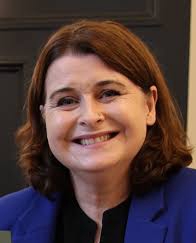
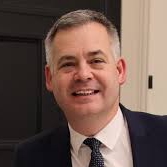
Micheál LehanePanelist
Barry LenehanPanelist
Fiachra Ó CionnaithPanelist
Juliet GashHost
Yeah, it seems fairly clear now that when it comes to home heating oil, that it'll be the carbon tax element of it that will go, and it'll go for a long time, it seems.

It's currently stands at €38, and you just kind of ask yourself the question, could a fiver increase on things like the pension and social protection be on the cards now as well? Although that not entirely clear yet.

And then the excise on fuel, those cuts to remain in place well into the spring, possibly early March, and then unwound over four months a- after that.

So a lot, as well as that, we already know about income tax changes to keep in line with inflation and the like, so a lot of the big bits of the budget already seem to be there, even though the opposition in the Dáil in the last hour or so still calling for more details, saying the sieve just isn't, isn't wide enough.

Yeah, plenty of kites, uh, around, in the air around Kildare Street this week, isn't there, and, uh, over the last few weeks as well.

I suppose those excise cuts really are, um, the extension of those, really shaping the parameters of those bilateral discussions that are happening in government buildings at the moment.

We know it's €100 million a month, um, and it is coming out of the budget surplus, but what wriggle room does it leave for the coalition, uh, and for those departments which are going with their hands out to Jack Chambers looking for budgetary increases? Uh, yes, they're there until February or, or March, it's understood, but we've also heard Darragh O'Brien and Micheál Martin warn that these fuel prices of €2 and above are here for the next 12 to 24 months, even if there's a breakthrough in the Middle East.

So, you'd wonder how much that will temper what's going to happen over the next few days.

When things get really bad, they kind of say, "Oh, these prices are here for the long term." And then we did see prices come down over the summer to around the 1.70 mark at different points.

And Simon Harris, I suppose, was making the point that he, he can't be held responsible for what's happening in the Strait of Hormuz.

But then again, I think Jennifer Whitmore's point during Leaders Today was that, uh, the government has not been forward-thinking enough, uh, uh, on a whole as regards to energy and, and how to approach it.

Yeah, and I thought that was a very important point by Jennifer Whitmore in leader's questions today because she did say that point.

She did say, she did acknowledge the fact that, look, government is dealing with a geopolitical situation, and Simon Harris has referenced that, you know, you can blame government for a lot of things, but you can't blame [laughs] government for what, what's happening in the Strait of Hormuz.

But her point, I think, really cuts through that, and it's a point that a lot of opposition have made in recent months, and is that it's not just about the situation, it's about the lack of planning or the lack of protections for people from the opposition's perspective that to, to help them deal with the consequences of what's happening in the Strait of Hormuz.

I do think that this budget, though, is, is really gonna come down to that kind of, um, two sides of the same coin type thing.

Firstly, on the energy crisis, and then secondly, on housing as well, because government is, you know, either having a mock argument or a genuine argument with itself at the moment about a couple of different changes.

Yeah, it seems fairly clear now that when it comes to home heating oil, that it'll be the carbon tax element of it that will go, and it'll go for a long time, it seems.

It's currently stands at €38, and you just kind of ask yourself the question, could a fiver increase on things like the pension and social protection be on the cards now as well? Although that not entirely clear yet.

And then the excise on fuel, those cuts to remain in place well into the spring, possibly early March, and then unwound over four months a- after that.

So a lot, as well as that, we already know about income tax changes to keep in line with inflation and the like, so a lot of the big bits of the budget already seem to be there, even though the opposition in the Dáil in the last hour or so still calling for more details, saying the sieve just isn't, isn't wide enough.

Yeah, plenty of kites, uh, around, in the air around Kildare Street this week, isn't there, and, uh, over the last few weeks as well.

I suppose those excise cuts really are, um, the extension of those, really shaping the parameters of those bilateral discussions that are happening in government buildings at the moment.

We know it's €100 million a month, um, and it is coming out of the budget surplus, but what wriggle room does it leave for the coalition, uh, and for those departments which are going with their hands out to Jack Chambers looking for budgetary increases? Uh, yes, they're there until February or, or March, it's understood, but we've also heard Darragh O'Brien and Micheál Martin warn that these fuel prices of €2 and above are here for the next 12 to 24 months, even if there's a breakthrough in the Middle East.

So, you'd wonder how much that will temper what's going to happen over the next few days.

When things get really bad, they kind of say, "Oh, these prices are here for the long term." And then we did see prices come down over the summer to around the 1.70 mark at different points.

And Simon Harris, I suppose, was making the point that he, he can't be held responsible for what's happening in the Strait of Hormuz.

But then again, I think Jennifer Whitmore's point during Leaders Today was that, uh, the government has not been forward-thinking enough, uh, uh, on a whole as regards to energy and, and how to approach it.

Yeah, and I thought that was a very important point by Jennifer Whitmore in leader's questions today because she did say that point.

She did say, she did acknowledge the fact that, look, government is dealing with a geopolitical situation, and Simon Harris has referenced that, you know, you can blame government for a lot of things, but you can't blame [laughs] government for what, what's happening in the Strait of Hormuz.

But her point, I think, really cuts through that, and it's a point that a lot of opposition have made in recent months, and is that it's not just about the situation, it's about the lack of planning or the lack of protections for people from the opposition's perspective that to, to help them deal with the consequences of what's happening in the Strait of Hormuz.

I do think that this budget, though, is, is really gonna come down to that kind of, um, two sides of the same coin type thing.

Firstly, on the energy crisis, and then secondly, on housing as well, because government is, you know, either having a mock argument or a genuine argument with itself at the moment about a couple of different changes.
The rest of this transcript — segmented and speaker-labeled, so you land on the exact moment something was said
Search every transcript — by keyword, by phrase, or by meaning, across every show Radar indexes
Trends — what is surging across podcasts, measured against its own baseline
Alerts — when a name you follow appears in a newly indexed episode
No account is needed to search Radar.