Aug 27, 2026 · 20 min · 9 segments
Why Make? Episode 79: Tom Haney Why Make Download Welcome…
Tom HaneyGuest
Eric HolquinHost
From there, Tom and his wife, Paula, moved to Atlanta in 1992, where Tom freelanced for media companies, including the Cartoon Network, mostly building all sorts of props.

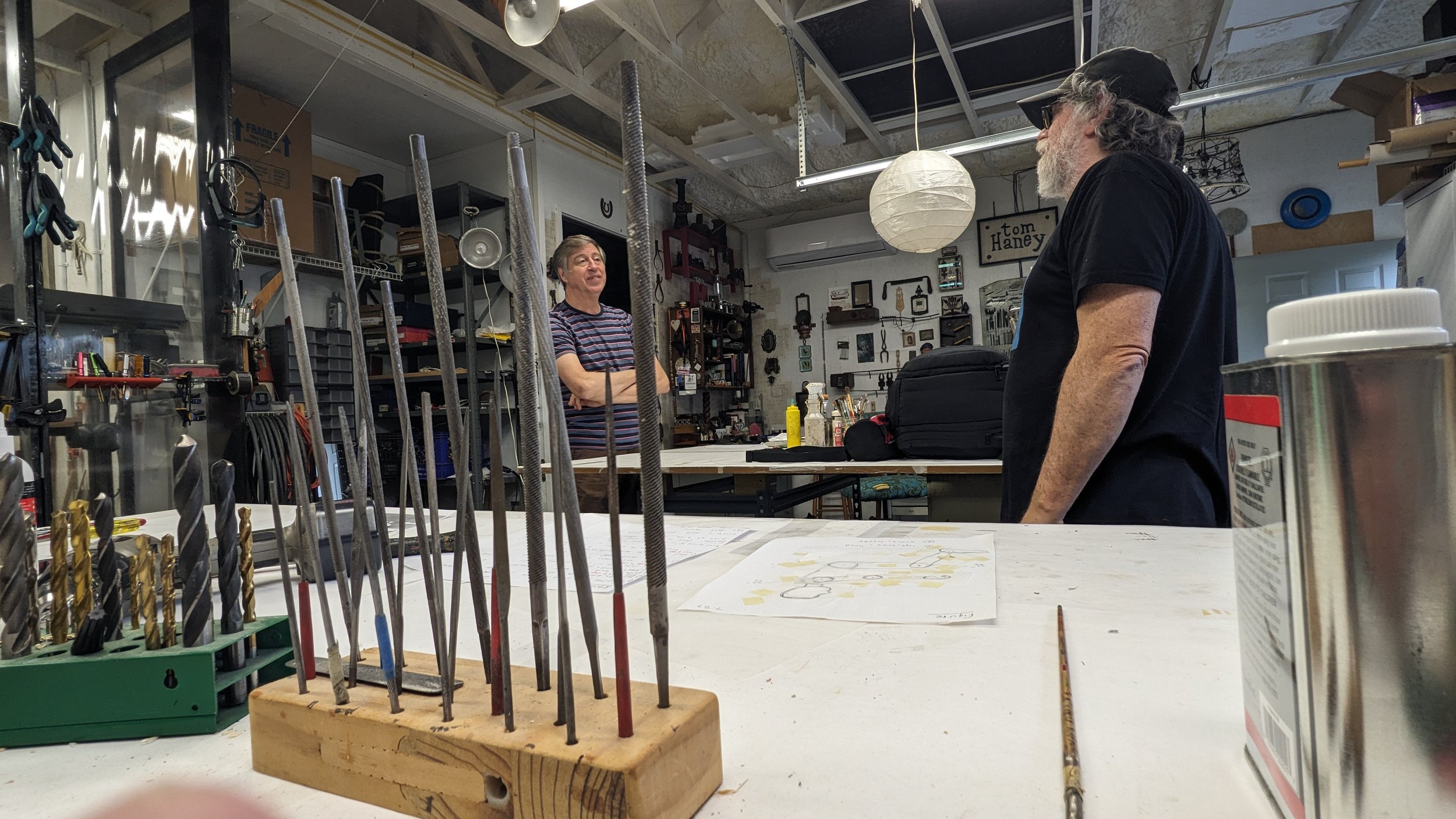
But he also had a shop full of tools that allowed him to explore his own artistic ideas.

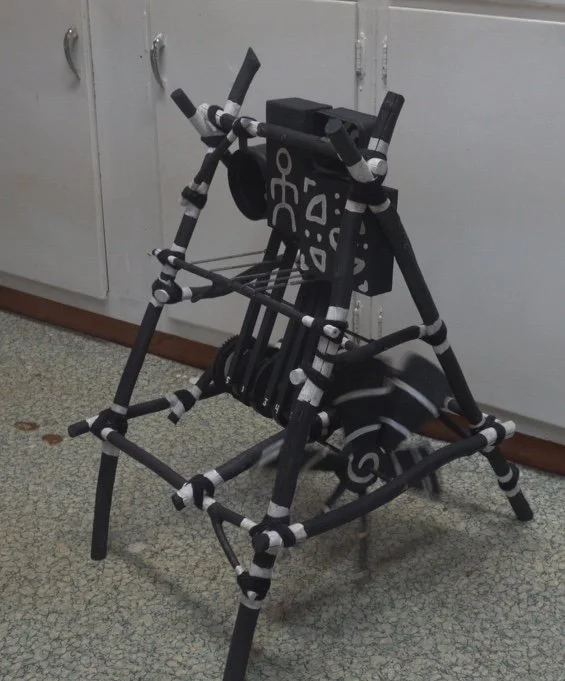
He started making whirligigs, wind-powered kinetic yard sculptures that look like windmills but often feature carved wooden figures or animals in action when the wind blows.

In, in our spare time, we'd go around and visit folk artists and, um, get to know them.

But I was just like, "I, I wanna make stuff that they're making," and Paula and I were both, like, on the same page about that.

We started off making, um, some whirligigs that we, um, I did most of the cutting and she did most of the painting, and we thought, "Oh, this is what we're gonna do, you know, try to sell them at stores."

The whirligig pieces did not sell like hotcakes, but Tom continued to be encouraged by folks like Tallapoosa, Georgia artist Leroy Allmon, a self-taught folk artist renowned for his deeply symbolic relief carved wood panels depicting African American life in the Deep South.

South.And then we got to be friends with, um, LeRoy Allman, and he was really encouraging.

Talked to him about what we wanted to do, and he was like, "Yeah, you can, you can do that.

You could be creative people." When we would leave there, we were just so charged.

We were just like, "We can do this." [instrumental music] Now I saw this guy's work who was doing whirligigs where they weren't for outdoors, but he would put a fan in front of a propeller, and the propeller would move, and, and the, um, the, the wooden figures, which were about, you know, eight inches tall, would do all these amazing things.

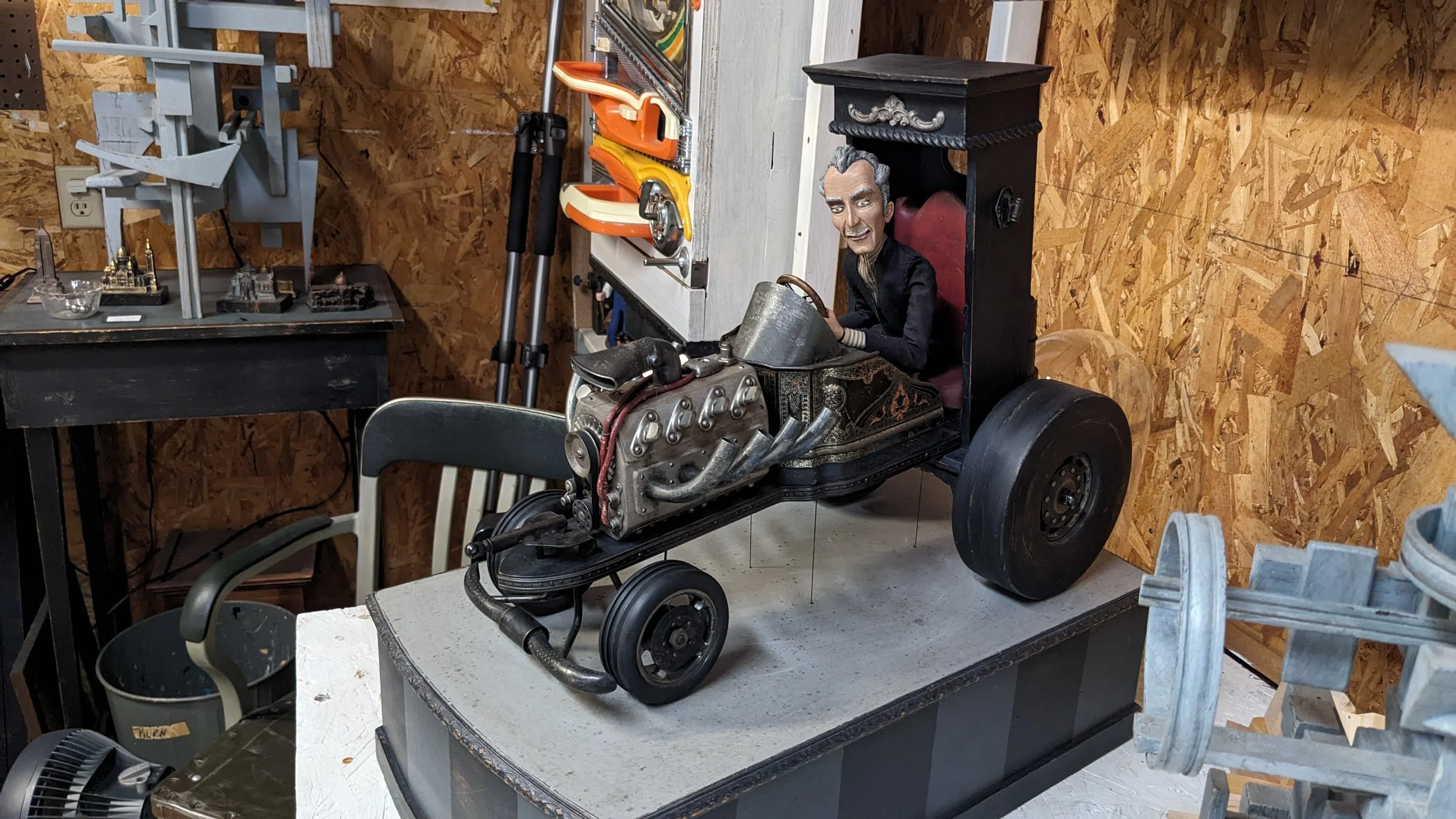
I've always been fascinated with things that moved, and this is the coolest thing, you know, if something static starts to make some sort of motion, either by the wind or, uh, mechanically or s- something.

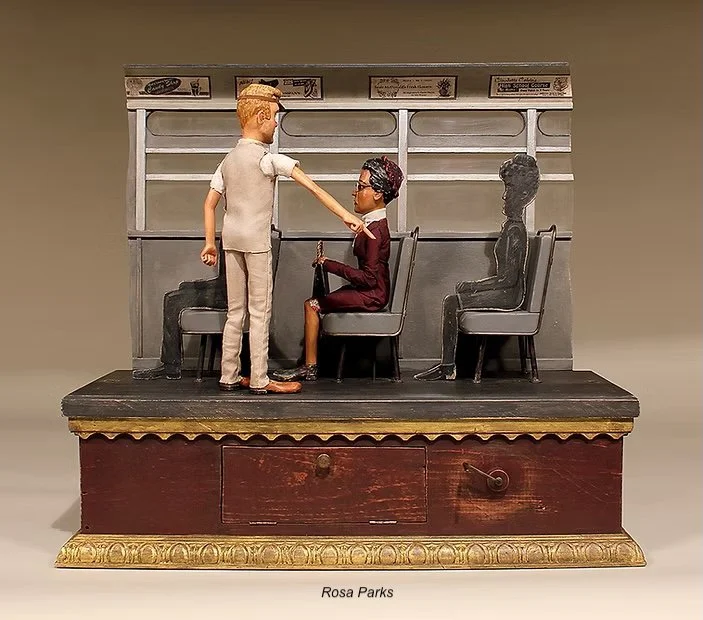
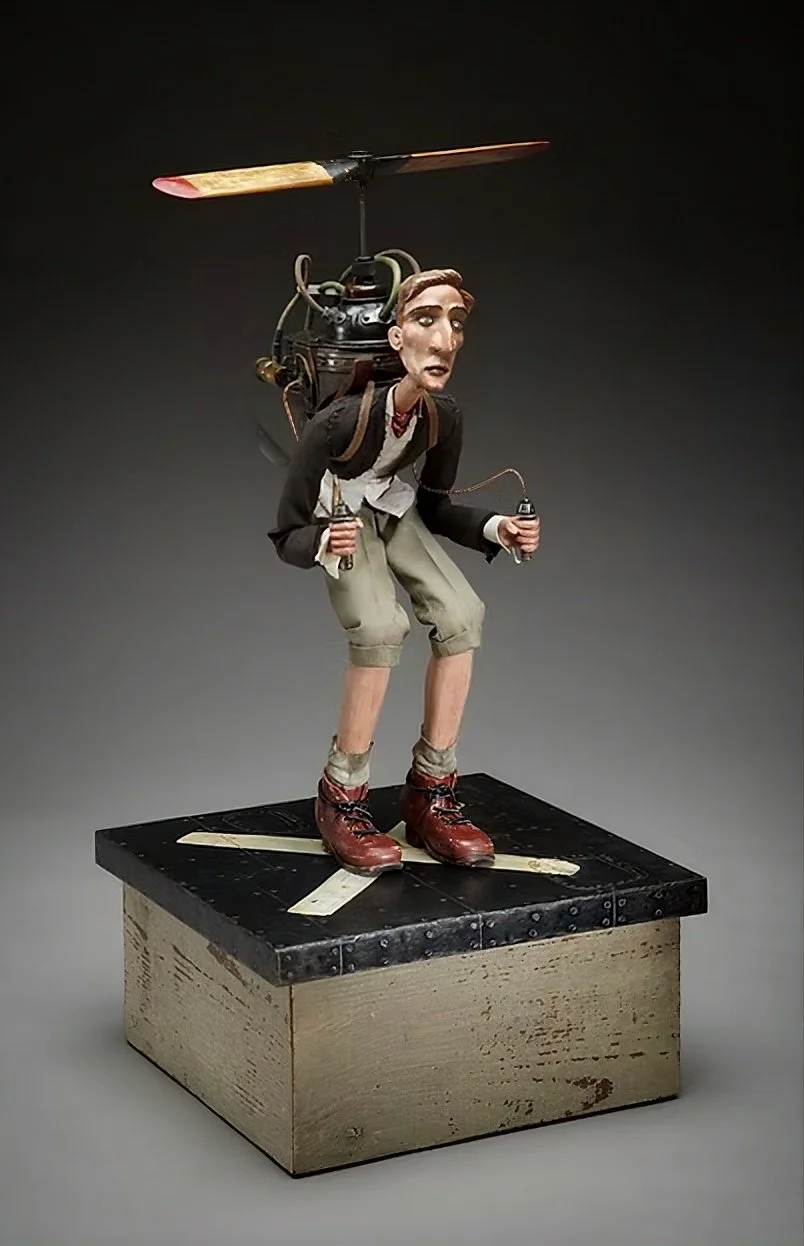
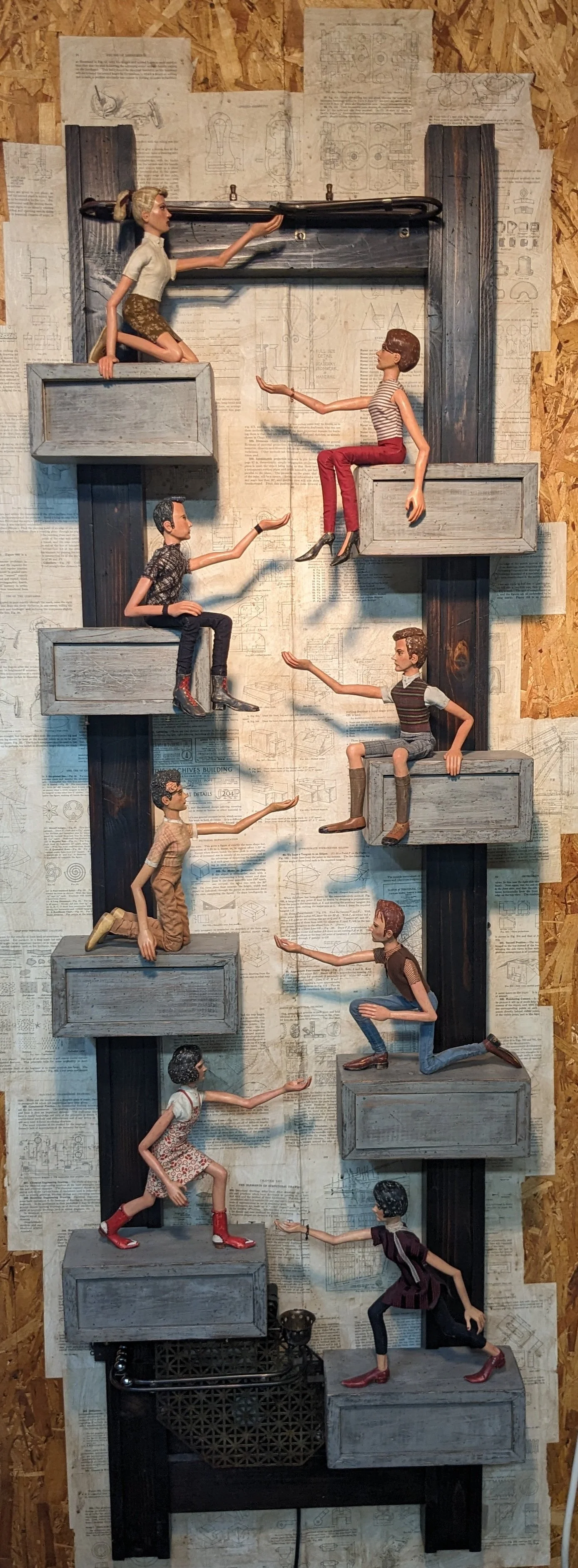
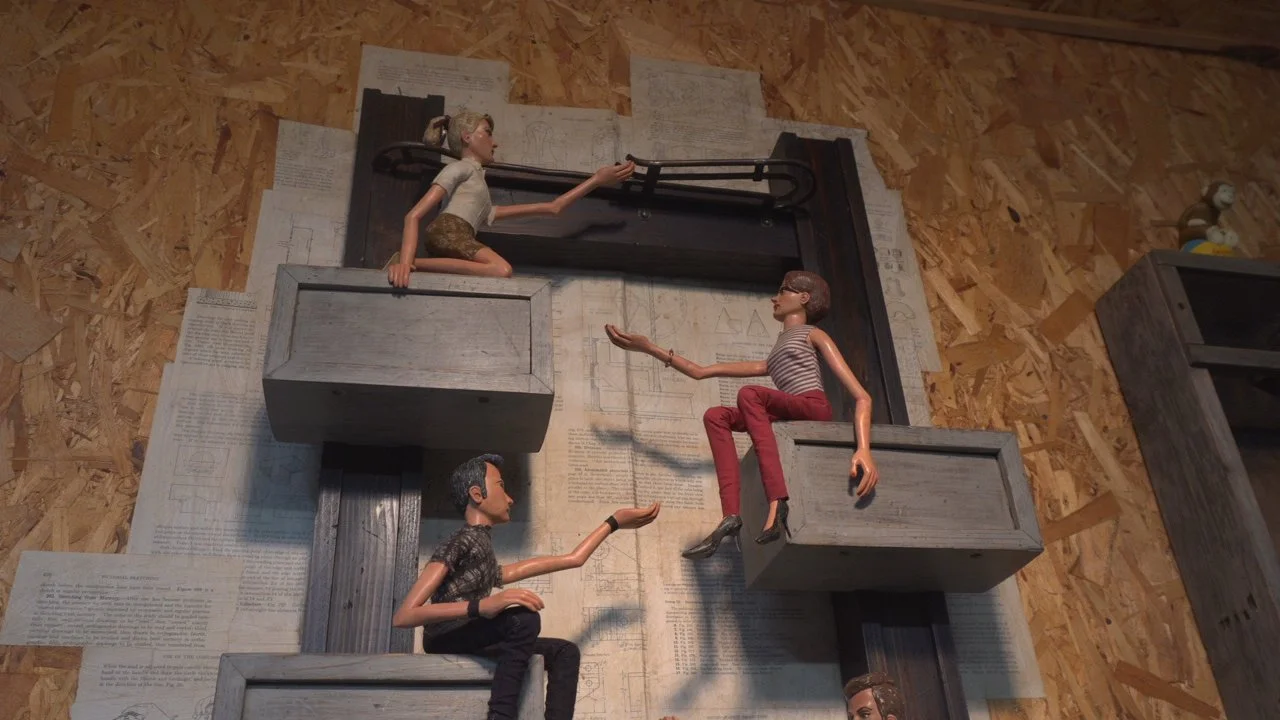
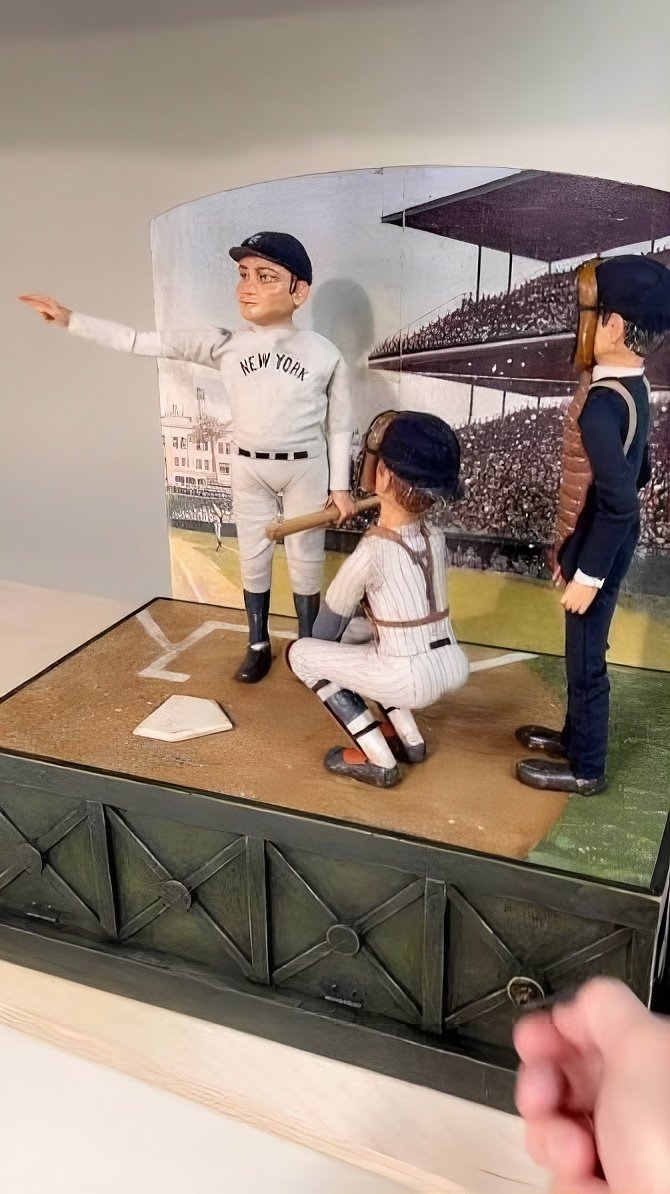
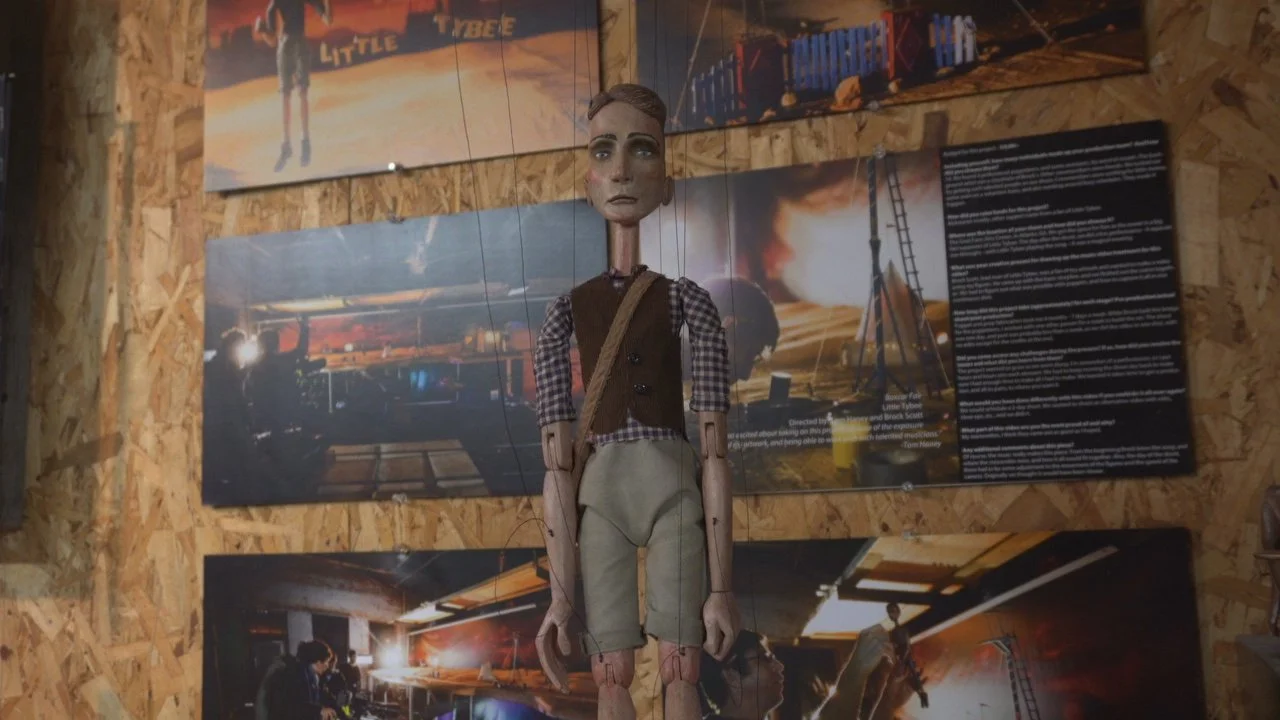
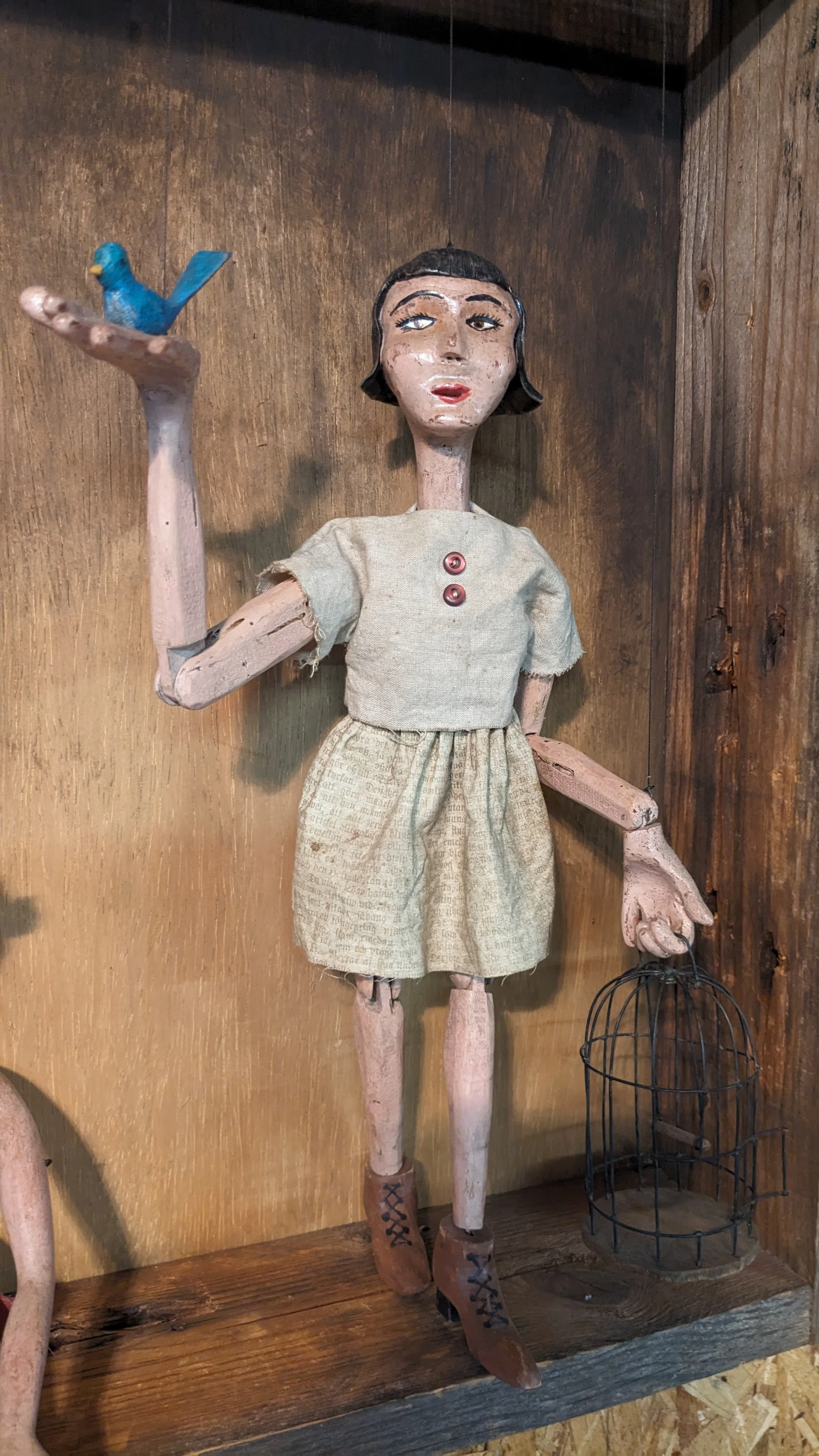
So I started to make, um, sort of interactive, um, uh, marionette sort of figures that were operated by keys out front.

So I just started with one piece, and I didn't know exactly what, how it would turn out or what it would be.

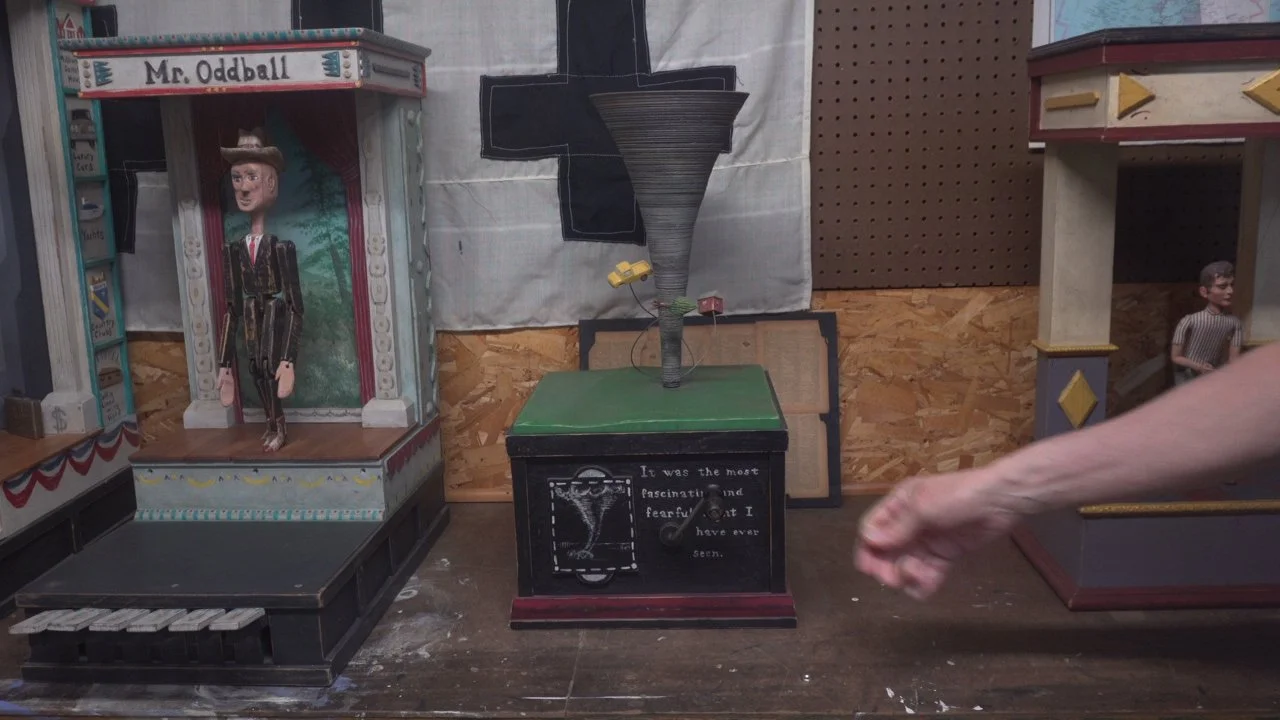
And that piece is Mr. Oddball, a carved and painted figure of a man with a top hat on a stage who dances as you press the white keys in front of his stage.

It really turned out amazing, better than I'd ever thought, and I was like, "Oh, this is something I could do.

You know, I can do all kinds of different versions with this idea of the keys and the little stage." So I just started doing that in my spare time.

From there, Tom and his wife, Paula, moved to Atlanta in 1992, where Tom freelanced for media companies, including the Cartoon Network, mostly building all sorts of props.

But he also had a shop full of tools that allowed him to explore his own artistic ideas.

He started making whirligigs, wind-powered kinetic yard sculptures that look like windmills but often feature carved wooden figures or animals in action when the wind blows.

In, in our spare time, we'd go around and visit folk artists and, um, get to know them.

But I was just like, "I, I wanna make stuff that they're making," and Paula and I were both, like, on the same page about that.

We started off making, um, some whirligigs that we, um, I did most of the cutting and she did most of the painting, and we thought, "Oh, this is what we're gonna do, you know, try to sell them at stores."

The whirligig pieces did not sell like hotcakes, but Tom continued to be encouraged by folks like Tallapoosa, Georgia artist Leroy Allmon, a self-taught folk artist renowned for his deeply symbolic relief carved wood panels depicting African American life in the Deep South.

South.And then we got to be friends with, um, LeRoy Allman, and he was really encouraging.

Talked to him about what we wanted to do, and he was like, "Yeah, you can, you can do that.

You could be creative people." When we would leave there, we were just so charged.

We were just like, "We can do this." [instrumental music] Now I saw this guy's work who was doing whirligigs where they weren't for outdoors, but he would put a fan in front of a propeller, and the propeller would move, and, and the, um, the, the wooden figures, which were about, you know, eight inches tall, would do all these amazing things.

I've always been fascinated with things that moved, and this is the coolest thing, you know, if something static starts to make some sort of motion, either by the wind or, uh, mechanically or s- something.

So I started to make, um, sort of interactive, um, uh, marionette sort of figures that were operated by keys out front.

So I just started with one piece, and I didn't know exactly what, how it would turn out or what it would be.

And that piece is Mr. Oddball, a carved and painted figure of a man with a top hat on a stage who dances as you press the white keys in front of his stage.

It really turned out amazing, better than I'd ever thought, and I was like, "Oh, this is something I could do.

You know, I can do all kinds of different versions with this idea of the keys and the little stage." So I just started doing that in my spare time.
The rest of this transcript — segmented and speaker-labeled, so you land on the exact moment something was said
Search every transcript — by keyword, by phrase, or by meaning, across every show Radar indexes
Trends — what is surging across podcasts, measured against its own baseline
Alerts — when a name you follow appears in a newly indexed episode
No account is needed to search Radar.