Where Work Meets Life™ with Dr. Laura
Is It Just a Paycheque? Why Purpose in Our Careers Still Matters
Oct 6, 2026 · 42 min · 11 segments
Dr. Laura welcomes Scott Schieman, sociologist, professor at the University of Toronto, and author of *I Want More: Why Your Job Still Matters*, to the show to explore why work continues to matter…
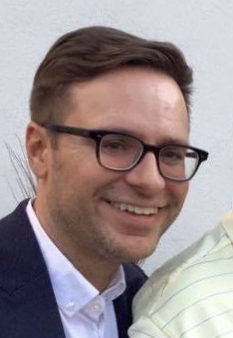
Dr. Laura welcomes Scott Schieman, sociologist, professor at the University of Toronto, and author of *I Want More: Why Your Job Still Matters*, to the show to explore why work continues to matter beyond earning a paycheque. Drawing on decades of research into the quality of work and economic life in Canada and the United States, Scott examines how careers shape identity, self-awareness, connection, and wellbeing. He and Dr. Laura discuss the growing narrative that a job is simply a way to earn money and address how the stories and data Scott gathered reveal a more complex picture. From people questioning their careers in their twenties to those confronting the loss of identity and routine in retirement, the conversation considers how deeply work can become woven into who people are. Scott introduces the M.O.R.E. framework from his book, which explores how work can provide mooring, opening, relating, and exceeding. When diving into the meaning of work, he and Dr. Laura consider the importance of routine, opportunities to learn and create, relationships with colleagues, respect, recognition, and the feeling of contributing. They also explore the risks of all-or-nothing thinking about careers, the social impact of remote work, and why a job doesn’t need to define someone completely to shape them in meaningful ways. Through research and real stories, Dr. Laura invites listeners to become more aware of what they receive from their careers and what they want, especially as AI, changing workplace structures, and evolving expectations continue to reshape the world of work. *"I would say my one wish is for people to really be mindful of the contribution that they're making. … I think that just being aware of that and kind of celebrating that, it notches up the celebration \[of the] work ethic a little bit more in a way that I think would do us all a lot of good" - Scott Schieman* **About Scott Schieman:** Professor Schieman held a Canada Research Chair from 2012 to 2026 and served as Chair of the Sociology Department from 2015 to 2021. He has served as editor of *Sociology of Religion* (2010 – 2013) and co-editor of *Society and Mental Health*, the flagship journal for the Mental Health Section of the American Sociology Association (2022 – 2025). An award-winning researcher and teacher, Schieman has received the Dean’s Excellence Award each year since he began his appointment at the University of Toronto (2004 – 2025), the Leonard I. Pearlin Award for Distinguished Contributions to the Sociological Study of Mental Health (2018), the Jeanette Wright Award for Excellence in Graduate Student Supervision and Mentorship (2024), and the Oswald Hall Award for Outstanding Undergraduate Teaching (2008). Professor Schieman studies what people think and feel about work–and how they talk about it. He is especially interested in the ways that work shapes the sense of self, status, and well-being. Since 2005, he has collected data from more than 55,000 workers in Canada, the United States, and South Korea. Drawing upon decades of quantitative and qualitative data, his research tells the story about the quality of work and economic life and their effects on our everyday lives. **Key Moments:** 00:00 Is It Just a Paycheque? Why Purpose Still Matters 01:34 Meet Scott Schieman and His Research on Work 04:05 How Work Shapes Who We Become 06:41 Career, Identity, Fulfillment, and Self-Awareness 08:25 Searching for Purpose Across Career Stages 09:42 Why Scott Wrote I Want More 13:23 How the Pandemic Changed Conversations About Work 15:47 Understanding the MORE Framework 18:13 Opening, Relating, Respect, and Recognition 21:33 Retirement and the Sudden Loss of MORE 22:08 The Problem With All-or-Nothing Career Thinking 24:02 What Real Stories Reveal About the Meaning of Work 28:37 Why Calling It “Just a Job” Can Be Protective 30:44 Remote Work, Commuting, and Human Connection 32:43 Does a Job Define Who We Are? 34:37 Why Perceptions of Work May Be More Negative Than Reality 36:05 Who I Want More Is Written For 37:45 Why Social Connection Still Matters 39:01 One Wish for a Better World of Work **Resources:** Website: ScottSchieman.com Book: I Want M.O.R.E.: Why Your Job Still Matters by Scott Schieman Scott Schieman on LinkedIn A Little More Social: How Small Choices Create Unexpected Happiness, Health, and Connection by Nicholas Epley “Plain English with Derek Thompson” podcast International Social Survey Programme “I Wish I’d Quit Sooner: Practical Strategies for Navigating and Escaping a Toxic Boss” by Dr. Laura Hambley Lovett Dr. Laura on LinkedIn Where Work Meets Life™ on YouTube Learn more about Dr. Laura on her website: https://drlaura.live **For more resources, look into Dr. Laura’s organizations:** Canada Career Counselling Synthesis Psychology Order Dr. Laura’s new book today: I Wish I’d Quit Sooner: Practical Strategies for Navigating a Toxic Boss Hosted by Simplecast, an AdsWizz company. See pcm.adswizz.com for information about our collection and use of personal data for advertising.
Dr. Laura welcomes Scott Schieman, sociologist, professor at the University of Toronto, and author of *I Want More: Why Your Job Still Matters*, to the show to explore why work continues to matter…