What Solar Installers Need To Know (by Sunvoy)
Jun 1, 2026 · 48 min · 14 segments
John Sheldon has seen solar from just about every angle (from selling $8-per-watt systems in the early days to helping scale some of the industry's biggest customer acquisition engines). In this…
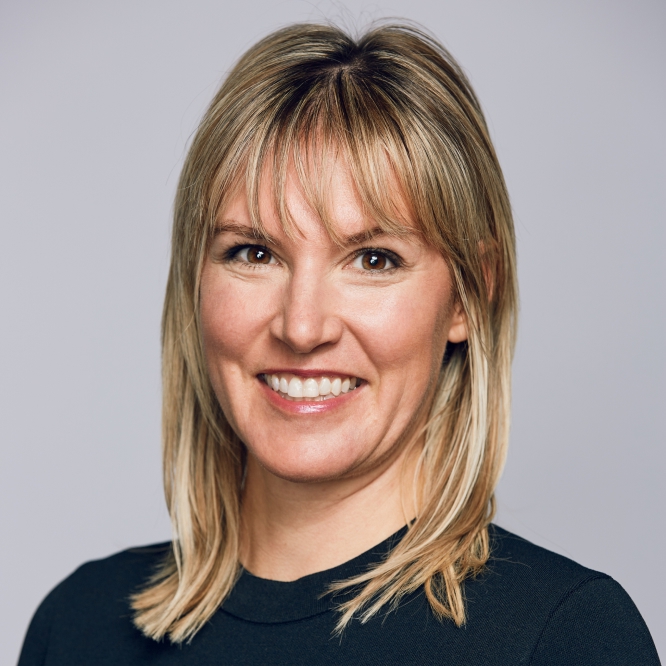
John SheldonGuest
Hervé BilienHost
Um, and a lot of that was, like, automations and rules and workflows, and so I was configuring a lot of that.

At the time when I was the director of new business capabilities and business intelligence, I was the configurator and, and, like, working with the team and, like, what are they-- and really listening, like, "What do you want?" Like, "How do you wish that your dashboard would look like? Like, what information do you need to know about? What do you wish you only got reminded one time or every week or every month?" And, like, listening to the people who were actively engaged on these projects because I, I would look for opportunities to how to make their life a little bit easier.

How do I make their job a little bit smoother? Because it, it, it matters for their retention, right? Like, people need job satisfaction.

I think that is a key part that I see, see happening across solar companies, that everybody now has a CRM, but it's the ones that keep investing in it because it's never just built and finished.

It's always evolving, and so the people that have, like, a specific, not even a department, right? But a specific-...

Like, if you ever, if you want something, you go to this person that fixes in the CRM, set a new workflow, set a new design, like whatever it is, set a template, whatever it is, and it's those companies that keep evolving and growing.

The CRM is never finished, and, and, and that's also in part why s- why SolarOom existed, 'cause you have some data in your CRM, but then you have data everywhere else, and so it's combining all of that.

I- I'd like to sh- change gears, John, about like from the past to the present.

So we, we create some consulting and, but you posted, for example, that a solar installer can have a, a cost of acquisition below $800.

How is that possible, and what are the most installers doing wrong if they are still at a 3 to $6,000 range?

I mean, everybody knows the name of the game is referrals, but it's, it's all of these other things and, and it's, this just comes from, I guess, frugality, going through those hard times and seeing companies going out of business in the early days, um, and, and knowing how important cash flow is to the lifeblood of a s- installer.

You know, you could literally bleed out from owing so much money because there's so much fronted to all of these things, and it just, it just really affects the bottom line.

And so it's not like a software's gonna fix all these operational problems, but like a workflow design will.

So really getting like a, a streamlined process where it's, it's better qualification, there's, there's better process at the gates.

So for instance, like your sales consultants don't create a design on every single person who raises their hand, right? Or they check to make sure that there's not an existing address in the system already.

Because a lot of these, uh, proposal softwares, you know, they charge per address, right? You can make as many designs as you want, but each address is unique, and they're gonna charge for that.

And so, you know, unless there's a, a gatekeeping process of like, did we double-check that this address doesn't already exist before we created it again? I've seen that time and time again where it's, you know, repeated the same project and the same address over time, right? It's not as...

Um, and a lot of that was, like, automations and rules and workflows, and so I was configuring a lot of that.

At the time when I was the director of new business capabilities and business intelligence, I was the configurator and, and, like, working with the team and, like, what are they-- and really listening, like, "What do you want?" Like, "How do you wish that your dashboard would look like? Like, what information do you need to know about? What do you wish you only got reminded one time or every week or every month?" And, like, listening to the people who were actively engaged on these projects because I, I would look for opportunities to how to make their life a little bit easier.

How do I make their job a little bit smoother? Because it, it, it matters for their retention, right? Like, people need job satisfaction.

I think that is a key part that I see, see happening across solar companies, that everybody now has a CRM, but it's the ones that keep investing in it because it's never just built and finished.

It's always evolving, and so the people that have, like, a specific, not even a department, right? But a specific-...

Like, if you ever, if you want something, you go to this person that fixes in the CRM, set a new workflow, set a new design, like whatever it is, set a template, whatever it is, and it's those companies that keep evolving and growing.

The CRM is never finished, and, and, and that's also in part why s- why SolarOom existed, 'cause you have some data in your CRM, but then you have data everywhere else, and so it's combining all of that.

I- I'd like to sh- change gears, John, about like from the past to the present.

So we, we create some consulting and, but you posted, for example, that a solar installer can have a, a cost of acquisition below $800.

How is that possible, and what are the most installers doing wrong if they are still at a 3 to $6,000 range?

I mean, everybody knows the name of the game is referrals, but it's, it's all of these other things and, and it's, this just comes from, I guess, frugality, going through those hard times and seeing companies going out of business in the early days, um, and, and knowing how important cash flow is to the lifeblood of a s- installer.

You know, you could literally bleed out from owing so much money because there's so much fronted to all of these things, and it just, it just really affects the bottom line.

And so it's not like a software's gonna fix all these operational problems, but like a workflow design will.

So really getting like a, a streamlined process where it's, it's better qualification, there's, there's better process at the gates.

So for instance, like your sales consultants don't create a design on every single person who raises their hand, right? Or they check to make sure that there's not an existing address in the system already.

Because a lot of these, uh, proposal softwares, you know, they charge per address, right? You can make as many designs as you want, but each address is unique, and they're gonna charge for that.

And so, you know, unless there's a, a gatekeeping process of like, did we double-check that this address doesn't already exist before we created it again? I've seen that time and time again where it's, you know, repeated the same project and the same address over time, right? It's not as...
The rest of this transcript — segmented and speaker-labeled, so you land on the exact moment something was said
Search every transcript — by keyword, by phrase, or by meaning, across every show Radar indexes
Trends — what is surging across podcasts, measured against its own baseline
Alerts — when a name you follow appears in a newly indexed episode
No account is needed to search Radar.