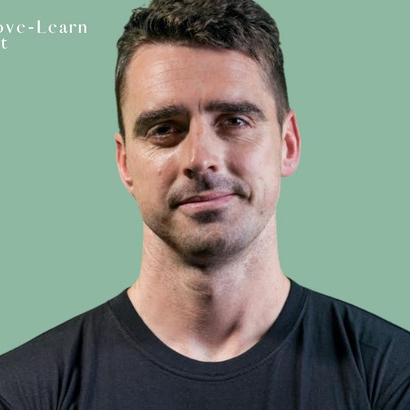
Jaymie IckeHost
We're going to dive straight into it on the subject of artificial intelligence, which is something that we've covered extensively.

It's the major catalyzing changing world event or continuing technology that could change the world as we know it, change humanity as we know it, if these people get the outcome they desire.

We've spoken about the fact more fears, more conversation around the potential dangers of AI have been allowed to come out.

We've spoken about the fact there is now more people openly starting to question whether this is actually good, or at least starting to question whether it's all good, which is a start.

And I've said for a while now that I think the system is trying to own that narrative.

Because when you know, or when you're doing something, that you're expecting some kind of pushback or at least some kind of question, if you ignore those questions, you ignore those pushbacks, it makes you look like you've got something to hide.

doesn't it? It makes you look like you're deliberately ignoring genuine grievances.

By doing that, the system is owning the narrative and it's also giving you the perception that it understands your fears and therefore shares them with you and wants to help put your mind at ease.

They want artificial intelligence in the human brain in various potential ways, whether that's physically like Musk's Neuralink company with chips in the brain, whether it's nanotechnology, how many people have that in them already? Self-replicating nanotechnology that was in the COVID vaccine has been proven to be in people.

So do we need operations with chips in the brain or are they already there waiting to be activated? Is it almost too late already for some people? But the point is, by pretending they are listening, lots of people that still have faith in the system, which fortunately it's less than it's ever been, may start to go, okay, that's good.

That's what I think the aim and the aspiration of this conversation is, to create a situation where they can turn around to people and say, look, I understand your fears.

Let's talk about how to put solutions in place so that the fears you have don't happen.

We're going to dive straight into it on the subject of artificial intelligence, which is something that we've covered extensively.

It's the major catalyzing changing world event or continuing technology that could change the world as we know it, change humanity as we know it, if these people get the outcome they desire.

We've spoken about the fact more fears, more conversation around the potential dangers of AI have been allowed to come out.

We've spoken about the fact there is now more people openly starting to question whether this is actually good, or at least starting to question whether it's all good, which is a start.

And I've said for a while now that I think the system is trying to own that narrative.

Because when you know, or when you're doing something, that you're expecting some kind of pushback or at least some kind of question, if you ignore those questions, you ignore those pushbacks, it makes you look like you've got something to hide.

doesn't it? It makes you look like you're deliberately ignoring genuine grievances.

By doing that, the system is owning the narrative and it's also giving you the perception that it understands your fears and therefore shares them with you and wants to help put your mind at ease.

They want artificial intelligence in the human brain in various potential ways, whether that's physically like Musk's Neuralink company with chips in the brain, whether it's nanotechnology, how many people have that in them already? Self-replicating nanotechnology that was in the COVID vaccine has been proven to be in people.

So do we need operations with chips in the brain or are they already there waiting to be activated? Is it almost too late already for some people? But the point is, by pretending they are listening, lots of people that still have faith in the system, which fortunately it's less than it's ever been, may start to go, okay, that's good.

That's what I think the aim and the aspiration of this conversation is, to create a situation where they can turn around to people and say, look, I understand your fears.

Let's talk about how to put solutions in place so that the fears you have don't happen.
The rest of this transcript — segmented and speaker-labeled, so you land on the exact moment something was said
Search every transcript — by keyword, by phrase, or by meaning, across every show Radar indexes
Trends — what is surging across podcasts, measured against its own baseline
Alerts — when a name you follow appears in a newly indexed episode
No account is needed to search Radar.