Jun 2, 2026 · 25 min · 11 segments
A pivotal summer term book this time, as we look at the Chalet School's final term on St Briavel's - a book which might well have inspired Roald Dahl, given that it could be subtitled "The Chalet…
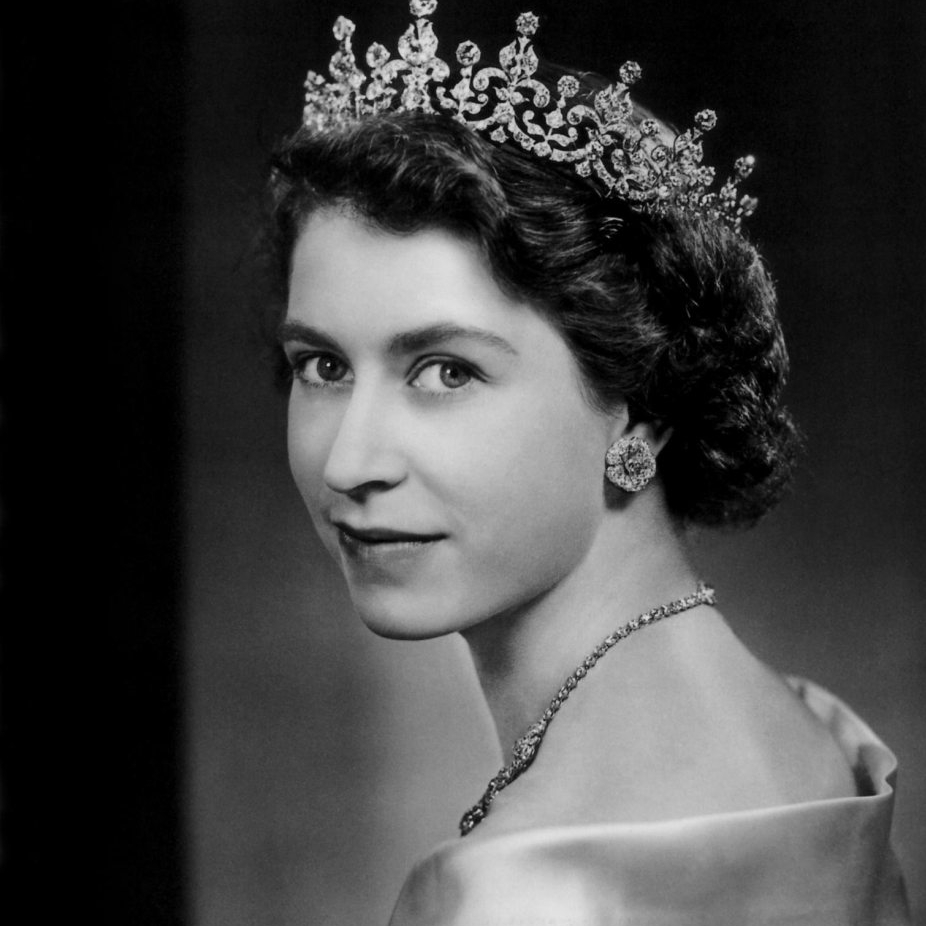
1953 was an important year for the British Empire, as it saw the coronation of the young Queen Elizabeth II and the start of the new Elizabethan era.
But this is a triviality compared to what happened in the Chalet School series, because 1953 saw the publication of EBD's farewell to the Chalet School in the UK.
Today, we're looking at that pivotal book in the series, Changes for the Chalet School.
[piano playing] Changes was published with a cover which was definitely not done by Nina K. Rizley.
The artist is unknown, and the picture shows Priscilla wallowing in a bog, helpfully marked by a sign in which the words "danger," "bogs," and "bottomless" feature largely.
Several are, like Priscilla, sporting blue jeans, but two of them, presumably mistresses, are wearing frocks, which appear to be supported by a multitude of petticoats.
To be fair, skirts were full in the early 1950s, but they are a practical bunch at the Chalet School, and I really can't imagine the staff wearing anything this glamorous for a day trip to two remote bird sanctuaries.
The mistresses also appear to be wearing bright red lipstick, but maybe that was just the norm at the time.
When Armada published Changes in paperback, which was not until 1989, Gwyneth Jones depicted the nighttime scene in the orchard with the pigs.
This means Priscilla Dawbarn is probably shown on both covers in two separate incidents, which may be a first for a Chalet School book not named for a specific character.
But to confirm this would require a level of spreadsheeting which even I am not prepared to carry out.
Of all the Armadas published for the first time between 1982 and 1994, Changes was probably the one which I was waiting for most impatiently.
The Dawbarn twins, consistently described as born to be hanged in later books, barely featured in the paperbacks I had read, and certainly didn't deserve that description.
1953 was an important year for the British Empire, as it saw the coronation of the young Queen Elizabeth II and the start of the new Elizabethan era.
But this is a triviality compared to what happened in the Chalet School series, because 1953 saw the publication of EBD's farewell to the Chalet School in the UK.
Today, we're looking at that pivotal book in the series, Changes for the Chalet School.
[piano playing] Changes was published with a cover which was definitely not done by Nina K. Rizley.
The artist is unknown, and the picture shows Priscilla wallowing in a bog, helpfully marked by a sign in which the words "danger," "bogs," and "bottomless" feature largely.
Several are, like Priscilla, sporting blue jeans, but two of them, presumably mistresses, are wearing frocks, which appear to be supported by a multitude of petticoats.
To be fair, skirts were full in the early 1950s, but they are a practical bunch at the Chalet School, and I really can't imagine the staff wearing anything this glamorous for a day trip to two remote bird sanctuaries.
The mistresses also appear to be wearing bright red lipstick, but maybe that was just the norm at the time.
When Armada published Changes in paperback, which was not until 1989, Gwyneth Jones depicted the nighttime scene in the orchard with the pigs.
This means Priscilla Dawbarn is probably shown on both covers in two separate incidents, which may be a first for a Chalet School book not named for a specific character.
But to confirm this would require a level of spreadsheeting which even I am not prepared to carry out.
Of all the Armadas published for the first time between 1982 and 1994, Changes was probably the one which I was waiting for most impatiently.
The Dawbarn twins, consistently described as born to be hanged in later books, barely featured in the paperbacks I had read, and certainly didn't deserve that description.
The rest of this transcript — segmented and speaker-labeled, so you land on the exact moment something was said
Search every transcript — by keyword, by phrase, or by meaning, across every show Radar indexes
Trends — what is surging across podcasts, measured against its own baseline
Alerts — when a name you follow appears in a newly indexed episode
No account is needed to search Radar.