
Everyone said this movie would fail ft. Sophy Romvari director of BLUE HERON
May 8, 2026 · 1 hr · 12 segments
My conversation with Sophy Romvari about BLUE HERON.
- Speakers
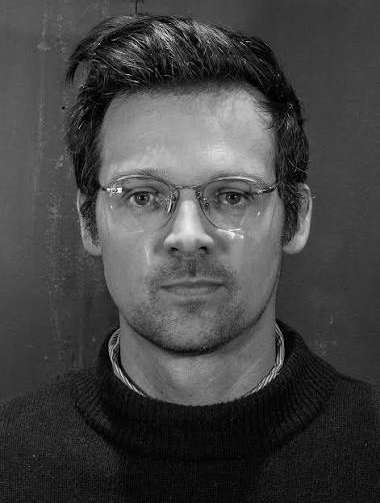
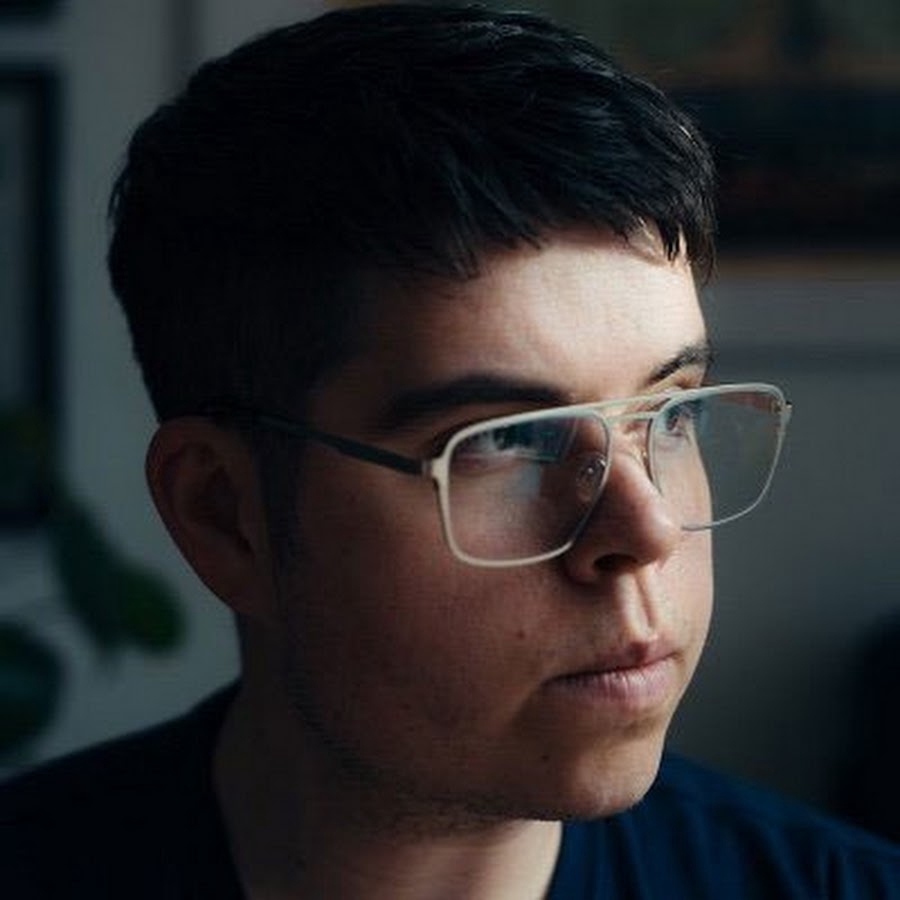
 Sophy RomvariGuest
 Patrick TomassoHost
May 8, 2026 · 1 hr · 12 segments
My conversation with Sophy Romvari about BLUE HERON.
Sophy RomvariGuestPatrick TomassoHost
yeah it's i know it is just such a weird world because like sometimes i'm like why is why is christopher nolan in tiktoks you know what i mean like sometimes i think about that a lot and i don't know and it's not that it's bad obviously this is the space that i operate in and i don't think it's bad or it's good it's just a really interesting time where sometimes i find some films are getting a lot of attention because of the work that went into it and the sort of the marketing behind it rather than the film letting it sort of speak for itself i think your film absolutely speak for itself it's one of my favorite things i've seen in a really long time i absolutely loved it but i do think we're we're kind of creating an environment where filmmakers and directors feel like they have to be influencers and i'm just trying to i've been trying to unpack that thought

The marketing for films now is so connected to the person, the creator, the filmmaker.
Whereas not only is he generating so much of the press himself, he is that film in many ways, you know, like him and Jay, of course.
And I think so he is also putting in the work, showing up to screenings like relentlessly.
And it's a huge part of, you know, everything needs to be eventized now, it feels like, you know.
We were like, how do we get Canadians interested in coming to the theater? So now I'm on this like very elongated sort of Q&A press tour within Canada specifically so that we can give people time to like find out about the film.
q a's like almost every day to try to generate interest beyond just the film because i think people need a little bit extra um to come out to to the theater but the only way to do that is literally my physical body going to these places and um that is it's really really hard on you physically and mentally, because you're talking about the work constantly, but also traveling constantly.
And also, um, it's not, it's a pretty open secret that, you know, it's not a paid job.
And you're like, uh, this has been talked about in the press a lot recently and it's, Of course, all those things are true that it is a privilege to get to do this work.
I'm so grateful that the film is being distributed and so much work is being put into it from other people, not just myself, but it is an insane amount of labor, but also physically.
Oh, actually, Matthew Rankin hosted a screening yesterday for me and then invited me to his beautiful Iranian community dinner, and they had a beautiful vegetarian meal, and I was like, oh, my God.
I was reading your Reddit AMA, and I don't think I've related to another filmmaker more than when you said you have to have good food on set.
Can you tell me a little bit more about that? Because I share this sentiment too, like a happy crew is a well-fed crew,
And I come from a commercial background where like on commercials, you actually eat really well.
You might not like the work you're making all that much, but you eat very well.




yeah it's i know it is just such a weird world because like sometimes i'm like why is why is christopher nolan in tiktoks you know what i mean like sometimes i think about that a lot and i don't know and it's not that it's bad obviously this is the space that i operate in and i don't think it's bad or it's good it's just a really interesting time where sometimes i find some films are getting a lot of attention because of the work that went into it and the sort of the marketing behind it rather than the film letting it sort of speak for itself i think your film absolutely speak for itself it's one of my favorite things i've seen in a really long time i absolutely loved it but i do think we're we're kind of creating an environment where filmmakers and directors feel like they have to be influencers and i'm just trying to i've been trying to unpack that thought
The marketing for films now is so connected to the person, the creator, the filmmaker.
Whereas not only is he generating so much of the press himself, he is that film in many ways, you know, like him and Jay, of course.
And I think so he is also putting in the work, showing up to screenings like relentlessly.
And it's a huge part of, you know, everything needs to be eventized now, it feels like, you know.
We were like, how do we get Canadians interested in coming to the theater? So now I'm on this like very elongated sort of Q&A press tour within Canada specifically so that we can give people time to like find out about the film.
q a's like almost every day to try to generate interest beyond just the film because i think people need a little bit extra um to come out to to the theater but the only way to do that is literally my physical body going to these places and um that is it's really really hard on you physically and mentally, because you're talking about the work constantly, but also traveling constantly.
And also, um, it's not, it's a pretty open secret that, you know, it's not a paid job.
And you're like, uh, this has been talked about in the press a lot recently and it's, Of course, all those things are true that it is a privilege to get to do this work.
I'm so grateful that the film is being distributed and so much work is being put into it from other people, not just myself, but it is an insane amount of labor, but also physically.
Oh, actually, Matthew Rankin hosted a screening yesterday for me and then invited me to his beautiful Iranian community dinner, and they had a beautiful vegetarian meal, and I was like, oh, my God.
I was reading your Reddit AMA, and I don't think I've related to another filmmaker more than when you said you have to have good food on set.
Can you tell me a little bit more about that? Because I share this sentiment too, like a happy crew is a well-fed crew,
And I come from a commercial background where like on commercials, you actually eat really well.
You might not like the work you're making all that much, but you eat very well.
The rest of this transcript — segmented and speaker-labeled, so you land on the exact moment something was said
Search every transcript — by keyword, by phrase, or by meaning, across every show Radar indexes
Trends — what is surging across podcasts, measured against its own baseline
Alerts — when a name you follow appears in a newly indexed episode
No account is needed to search Radar.