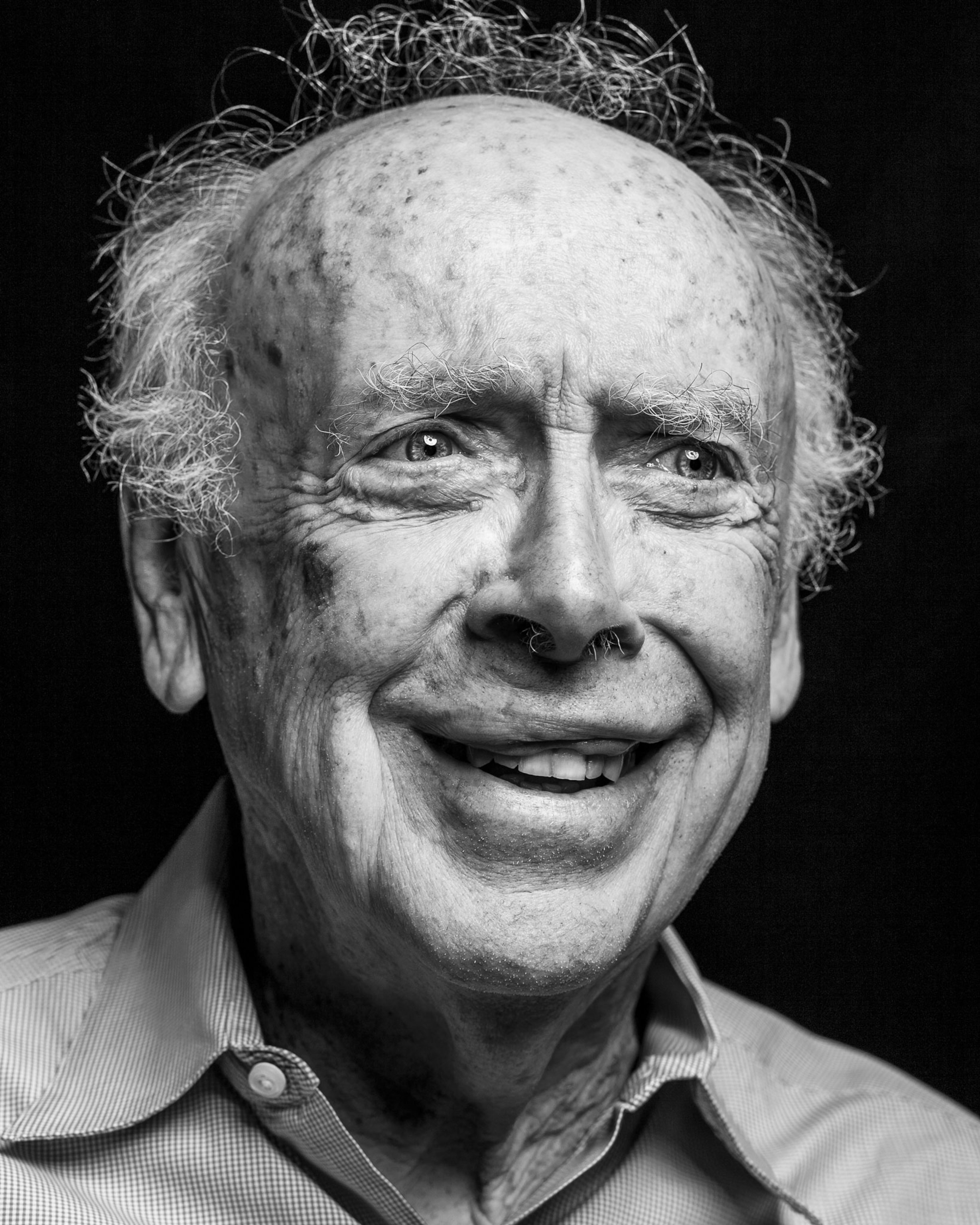
Treating Trauma with Somatic Healing | Dr. Peter A. Levine | Ep. 39
May 28, 2026 · 48 min · 13 segments
(00:00:00) Intro and welcome (00:00:57) What somatic experiencing is and how Peter developed it (00:02:08) How trauma gets stuck in the body (00:07:40) Shock trauma, complex trauma, and what…
(00:00:00) Intro and welcome (00:00:57) What somatic experiencing is and how Peter developed it (00:02:08) How trauma gets stuck in the body (00:07:40) Shock trauma, complex trauma, and what didn’t happen (00:12:34) Starting with numbness, pain, and alexithymia (00:15:16) Tim asks Peter to guide Andy through a somatic exercise (00:18:16) The “voo” exercise, grounding, and orienting (00:22:27) Taking in the environment and noticing body sensations (00:29:05) Deserving, relaxation, and the inner judge (00:32:19) Family shame, collapse, and anger in the body (00:40:52) Grounding through the feet and finding solidity (00:42:36) Swaying, movement, and returning to flow (00:44:31) Peter’s closing message on healing trauma (00:46:27) Resources, spiritual dimensions, and final reflections Dr. Peter Levine is the developer of Somatic Experiencing, a body-based approach to healing trauma that has shaped trauma therapy around the world. He is the author of influential books including Waking the Tiger, Healing Trauma, and An Autobiography of Trauma, and is widely known for helping people understand how trauma lives in the body and how healing can happen through the nervous system. ▶ Peter A Levine, PhD, and Ergos Institute are the leaders in somatic workshops and education.Learn more about Peter's work, Somatic Experiencing® (SE™) Trainings, Research, Free programs, Books, and more here: https://www.somaticexperiencing.com/ 📚 Get all of Dr. Levine's books, including his latest, 'An Autobiography of Trauma: A Healing Journey'. Available at: https://www.somaticexperiencing.com/Ergos Institute, Barnes & Noble, Amazon, Amazon UK, Inner Traditions, Books A Million, and Bookshop.org Subscribe to stay tuned! **Connect with us:** Website: www.timfletcher.ca YouTube: @TimFletcher YouTube (Podcast): @TimeWithTimPodcast Instagram: @timfletcherco Facebook: TimFletcherCo TikTok: @timfletcher\_co Have a question for Tim Fletcher? Submit it here! https://bit.ly/TimewithTimQuestionBox **Intro/Outro Music:** ‘Take Your Pick’ by Aaron Lieberman YouTube Audio Library License - Royalty-Free **Disclaimers:** The *Time with Tim Fletcher Podcast* is for informational purposes only to provide understanding, learning, and awareness about complex trauma. No information published here can replace professional evaluation, diagnosis, or treatment. If you are in crisis, please contact your local crisis hotline at
(00:00:00) Intro and welcome (00:00:57) What somatic experiencing is and how Peter developed it (00:02:08) How trauma gets stuck in the body (00:07:40) Shock trauma, complex trauma, and what…