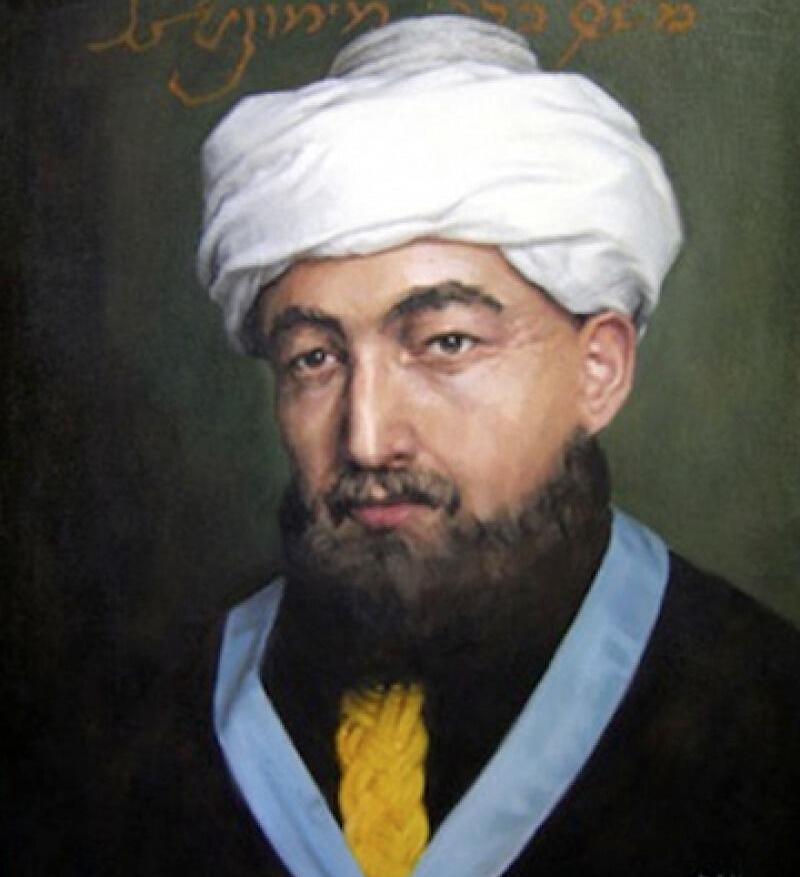
Time for Torah: By Rabbi Elimelech Kohn Zt"l
Sep 22, 2026 · 38 min · 8 segments
Shiur from Rabbi Elimelech Kohn Ztl on סוכות. Discussed: - The Bach teaches that there are three Mitzvos that have a special requirement to know the reason behind the Mitzvah in order to fully…
And that is that whereas most mitzvahs are, are self-contained, namely that you fulfill the mitzvah by performing the mitzvah and you're mekayem the mitzvah and yoetz the mitzvah by its performance, in the case of Sukkos, it's not enough to merely perform the mitzvah, to do the mitzvah, but one has to know the reason behind the mitzvah.
And therefore, it's a custom for many people to make an announcement before the washing, before the kiddush, to let people know that they should be mechaven when they eat the kebeia of bread in a sukkah, that they should be mechaven to the pasuk of, "L'ma'an yedau doroseichem ki basuccos hoshavti et bnei Yisrael", that it's a zecher of yetziat Mitzrayim and zecher ha'ananei hakavod.
If a person eats matzah, he has to know why he's eating the matzah and what matzah commemorates.
You don't have to know what matzah commemorates to be mekayem the mitzvah completely.
Yet by Sukkos, says the Bach, a person has to know the reason for the mitzvah and to know what it commemorates in order to fully be mekayem the mitzvah properly.
So why should that be? So the Bach explains, of course, that the reason why Sukkos has this unique feature is because since the Torah says that, "Kol ezrach Yisrael yeshvu basuccot", and the pasuk itself says, "Basuccot teshvu shivas yom kol ezrach Yisrael yeshvu basuccot", and that's followed with a pasuk of, "L'ma'an yedau doroseichem", in order that future generations should know, "Ki basuccot hoshavti et bnei Yisrael be'etziathem me'eretz Mitzrayim Ani Hashem elokeichem".
So since the Torah gives the reason for the mitzvah and places it together with the word l'ma'an, in order that, that means that the way to fulfill the mitzvah is to do the mitzvah and to know why you're doing the mitzvah.
That l'ma'an yedau, you have to know the reason for the fulfillment of the mitzvah in order to properly fulfill the mitzvah.
So that's the reason why there is that unique feature to the mitzvah of Sukkah that you should know the reason, because the pasuk clearly says that chiyuv, "L'ma'an yedau doroseichem".
However, this of course begs the question, why does the Torah davka by the Yom Tov of Sukkos and by the mitzvah of Sukkah want you to know the reason for the mitzvah? Why should the m- the mitzvah Sukkah require a knowledge and an awareness and a kavanah in why you're being mekayem the mitzvah, whereas we don't find this feature by other mitzvahs such as achilas matzah, tekiah shofar, all of these things, even the mitzvah of lulav and esrog.
There's no requirement to know the reason for the fulfillment of the mitzvah in order to be mekayem the mitzvah properly by shofar, by lulav, by, by matzah.
Why is that important? Why is that integral, and why is that part and parcel of the kiyum ha'mitzvah to know the reason for it? Why should that be? Now, the Bach points out that there are two other places where the Torah seems to require that a person should have kavanah in why he's fulfilling the mitzvah.
Likewise, the third place says the Bach that we find this requirement is by tefillin.
Because by tefillin it says, "Ve'haya al yadcha l'os al yadecha." But then it says, "L'maan tihiye Toras Hashem b'fifcha ki bi-yod chazaka ot yachiach Hashem mimitzrayim." And therefore, by tefillin, there's also a requirement to know the reason and to have kavana for the reason of the fulfillment of the mitzvah, because it says, "L'maan tihiye Toras Hashem b'fifcha ki bi-yod chazaka ot yachiach Hashem mimitzrayim." So wherever the word l'maan is used, it means that a person has to have kavana in the reason for the why he's fulfilling the mitzvah, and not just performing the mitzvah, but the knowledge of why he's performing the mitzvah.
But again, this begs the question, why? Why these three mitzvos are so different than all the other mitzvos? The Bach says very clearly that these three mitzvos are unique.
And because the Torah says l'maan in these three mitzvos, Sukkah, tzitzis, and tefillin, these three mitzvos are unique in that they require not only the asiyas hamitzvah, the performance of the mitzvah for the kiyum hamitzvah, but you also need the kavanah samitzvah and the knowledge and the intent for why you're doing the mitzvah in order to properly and fulf- uh, and fully fulfill the mitzvah.
And that is that whereas most mitzvahs are, are self-contained, namely that you fulfill the mitzvah by performing the mitzvah and you're mekayem the mitzvah and yoetz the mitzvah by its performance, in the case of Sukkos, it's not enough to merely perform the mitzvah, to do the mitzvah, but one has to know the reason behind the mitzvah.
And therefore, it's a custom for many people to make an announcement before the washing, before the kiddush, to let people know that they should be mechaven when they eat the kebeia of bread in a sukkah, that they should be mechaven to the pasuk of, "L'ma'an yedau doroseichem ki basuccos hoshavti et bnei Yisrael", that it's a zecher of yetziat Mitzrayim and zecher ha'ananei hakavod.
If a person eats matzah, he has to know why he's eating the matzah and what matzah commemorates.
You don't have to know what matzah commemorates to be mekayem the mitzvah completely.
Yet by Sukkos, says the Bach, a person has to know the reason for the mitzvah and to know what it commemorates in order to fully be mekayem the mitzvah properly.
So why should that be? So the Bach explains, of course, that the reason why Sukkos has this unique feature is because since the Torah says that, "Kol ezrach Yisrael yeshvu basuccot", and the pasuk itself says, "Basuccot teshvu shivas yom kol ezrach Yisrael yeshvu basuccot", and that's followed with a pasuk of, "L'ma'an yedau doroseichem", in order that future generations should know, "Ki basuccot hoshavti et bnei Yisrael be'etziathem me'eretz Mitzrayim Ani Hashem elokeichem".
So since the Torah gives the reason for the mitzvah and places it together with the word l'ma'an, in order that, that means that the way to fulfill the mitzvah is to do the mitzvah and to know why you're doing the mitzvah.
That l'ma'an yedau, you have to know the reason for the fulfillment of the mitzvah in order to properly fulfill the mitzvah.
So that's the reason why there is that unique feature to the mitzvah of Sukkah that you should know the reason, because the pasuk clearly says that chiyuv, "L'ma'an yedau doroseichem".
However, this of course begs the question, why does the Torah davka by the Yom Tov of Sukkos and by the mitzvah of Sukkah want you to know the reason for the mitzvah? Why should the m- the mitzvah Sukkah require a knowledge and an awareness and a kavanah in why you're being mekayem the mitzvah, whereas we don't find this feature by other mitzvahs such as achilas matzah, tekiah shofar, all of these things, even the mitzvah of lulav and esrog.
There's no requirement to know the reason for the fulfillment of the mitzvah in order to be mekayem the mitzvah properly by shofar, by lulav, by, by matzah.
Why is that important? Why is that integral, and why is that part and parcel of the kiyum ha'mitzvah to know the reason for it? Why should that be? Now, the Bach points out that there are two other places where the Torah seems to require that a person should have kavanah in why he's fulfilling the mitzvah.
Likewise, the third place says the Bach that we find this requirement is by tefillin.
Because by tefillin it says, "Ve'haya al yadcha l'os al yadecha." But then it says, "L'maan tihiye Toras Hashem b'fifcha ki bi-yod chazaka ot yachiach Hashem mimitzrayim." And therefore, by tefillin, there's also a requirement to know the reason and to have kavana for the reason of the fulfillment of the mitzvah, because it says, "L'maan tihiye Toras Hashem b'fifcha ki bi-yod chazaka ot yachiach Hashem mimitzrayim." So wherever the word l'maan is used, it means that a person has to have kavana in the reason for the why he's fulfilling the mitzvah, and not just performing the mitzvah, but the knowledge of why he's performing the mitzvah.
But again, this begs the question, why? Why these three mitzvos are so different than all the other mitzvos? The Bach says very clearly that these three mitzvos are unique.
And because the Torah says l'maan in these three mitzvos, Sukkah, tzitzis, and tefillin, these three mitzvos are unique in that they require not only the asiyas hamitzvah, the performance of the mitzvah for the kiyum hamitzvah, but you also need the kavanah samitzvah and the knowledge and the intent for why you're doing the mitzvah in order to properly and fulf- uh, and fully fulfill the mitzvah.
The rest of this transcript — segmented and speaker-labeled, so you land on the exact moment something was said
Search every transcript — by keyword, by phrase, or by meaning, across every show Radar indexes
Trends — what is surging across podcasts, measured against its own baseline
Alerts — when a name you follow appears in a newly indexed episode
No account is needed to search Radar.