Mar 5, 2026 · 50 min · 19 segments
It's time for one last mailbag! I cover everything from which historical figure would be the best Poster on social media to how ancient authors collected their letters for publication to how making…
Patrick WymanHost
"If you could give any historical figure a Twitter account, who would it be and why?" This is a really fantastic question, and over the years I have been asked many, many times who I think would be the best poster out of the historical figures that we know, love, and hate from the past several thousand years, and I always come back to a couple of go-to answers.

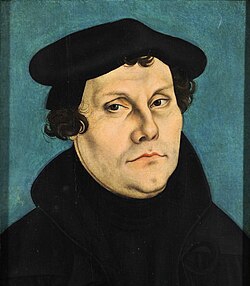
I think my actual answer here is Martin Luther, because Martin Luther was just a poster born and bred.

Like, one of the really interesting things about Martin Luther's thought is that it was always oppositional.

So he very rarely made positive statements of what he believed or why he thought something was wrong.

What he did was he defined his own thought in opposition to things that were being said to or about him.

Like, if you think back to the episodes that I did on Martin Luther, which were now a long time ago, I realize this, but the episodes I did on Martin Luther really focused on him as a media personality and on his mastery of the medium of the pamphlet, which was kind of a new genre in publishing in the early 16th century.

But basically, the reason that he was so successful and why his thoughts spread so fast so far was because he really mastered this whole, like, "Okay, people say a thing.

I'm gonna write something back to them." And then, because the printers all need stuff to print, because, you know, printing is a pretty money-losing business if you're not constantly producing things that people are buying in this period, like, your overhead costs are really high.

Pamphlets, however, are like the bread and butter of the printing industry in early 16th century Europe.

And one of the reasons why Martin Luther became so well-known was because he mastered the format, because he understood what people wanted to read in a pamphlet.

And I think Luther also would have mastered the kind of back and forth of a social media platform in, in real time.

I can't overstate this, that he was a guy who really liked to sit there and take potshots.

And again, that's something that present-day social media really, really rewards, right? So, like, that's the kind of skill set that would play very well with the incentive structures that are built into the social media platforms we have.

Is he the person that I would actually like to see the most? That's a slightly different question.

Now, for those of you who aren't familiar with the more esoteric or perhaps, um, below-board aspects of Benjamin Franklin's personality, he was a, uh, famous horn dog.

Um, and so, like, if Ben Franklin was on social media, he would basically just be following an infinite number of OnlyFans models.

"If you could give any historical figure a Twitter account, who would it be and why?" This is a really fantastic question, and over the years I have been asked many, many times who I think would be the best poster out of the historical figures that we know, love, and hate from the past several thousand years, and I always come back to a couple of go-to answers.

I think my actual answer here is Martin Luther, because Martin Luther was just a poster born and bred.

Like, one of the really interesting things about Martin Luther's thought is that it was always oppositional.

So he very rarely made positive statements of what he believed or why he thought something was wrong.

What he did was he defined his own thought in opposition to things that were being said to or about him.

Like, if you think back to the episodes that I did on Martin Luther, which were now a long time ago, I realize this, but the episodes I did on Martin Luther really focused on him as a media personality and on his mastery of the medium of the pamphlet, which was kind of a new genre in publishing in the early 16th century.

But basically, the reason that he was so successful and why his thoughts spread so fast so far was because he really mastered this whole, like, "Okay, people say a thing.

I'm gonna write something back to them." And then, because the printers all need stuff to print, because, you know, printing is a pretty money-losing business if you're not constantly producing things that people are buying in this period, like, your overhead costs are really high.

Pamphlets, however, are like the bread and butter of the printing industry in early 16th century Europe.

And one of the reasons why Martin Luther became so well-known was because he mastered the format, because he understood what people wanted to read in a pamphlet.

And I think Luther also would have mastered the kind of back and forth of a social media platform in, in real time.

I can't overstate this, that he was a guy who really liked to sit there and take potshots.

And again, that's something that present-day social media really, really rewards, right? So, like, that's the kind of skill set that would play very well with the incentive structures that are built into the social media platforms we have.

Is he the person that I would actually like to see the most? That's a slightly different question.

Now, for those of you who aren't familiar with the more esoteric or perhaps, um, below-board aspects of Benjamin Franklin's personality, he was a, uh, famous horn dog.

Um, and so, like, if Ben Franklin was on social media, he would basically just be following an infinite number of OnlyFans models.
The rest of this transcript — segmented and speaker-labeled, so you land on the exact moment something was said
Search every transcript — by keyword, by phrase, or by meaning, across every show Radar indexes
Trends — what is surging across podcasts, measured against its own baseline
Alerts — when a name you follow appears in a newly indexed episode
No account is needed to search Radar.