Jul 8, 2026 · 46 min · 13 segments
The US Space Force, established in 2019, has become more important than ever as we face growing numbers of stakeholders, new capabilities, and geopolitical tensions involving the space domain. How…
B. Chance SaltzmanGuest
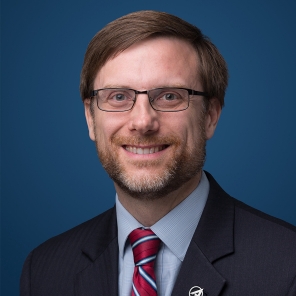
Jamie MorinHostColleen StoverHost
Recognizing that on the service side, you know, not the secretariat side where acquisition occurs, on the service side, if I don't get the requirements right, uh, it's never, it's never gonna be fielded effectively, efficiently, on, on time, on budget, et cetera.

How is it we develop requirements? What does a good requirement look like? And we found that at a minimum, there's three levels of requirements.
I'm with the Center for Space Policy and Strategy, part of the Aerospace Corporation.
For people that are not watching the YouTube video right now, you're missing something.
Um, but we had the chief executive officers of Voyager and Varda talking about enabling the space economy, and they're also with the Assistant Secretary of Commerce and Director of Office of Space Commerce.
Um, we've got the US Space Force Chief Scientists talking about advanced technology.
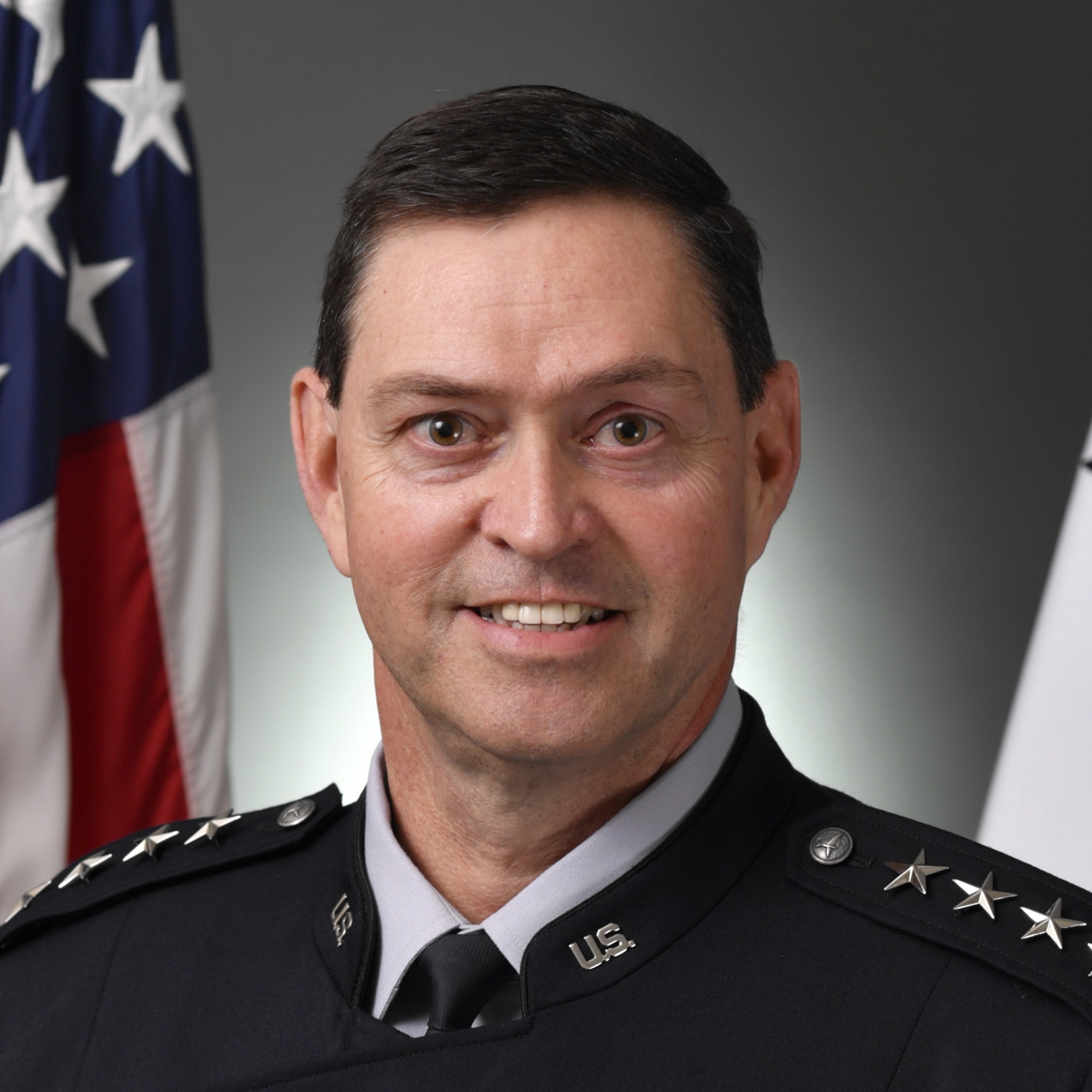
So today, I am very pleased to feature Chief of Space Operations for the US Space Force, General Chance Saltzman.
He has been assigned to the Space Force since, um, 2022 in this role as CSO, and he is the senior uniformed officer.
Um, the Space Force was established in December 2019, so he's getting ready to kind of end his tenure later in the year, and we've asked him to come onto The Space Policy Show to reflect about how the service has matured and developed over his time.
He's the Executive Director of the Center for Space Policy and Strategy, and he's also the Vice President of Defense Strategic Space at the company.
We're gonna be showing you some more stuff from inside the Pentagon after the show.
Read the full transcript.
Create an account to read the whole episode, search across every transcript, and follow the shows you care about.

Recognizing that on the service side, you know, not the secretariat side where acquisition occurs, on the service side, if I don't get the requirements right, uh, it's never, it's never gonna be fielded effectively, efficiently, on, on time, on budget, et cetera.

How is it we develop requirements? What does a good requirement look like? And we found that at a minimum, there's three levels of requirements.
I'm with the Center for Space Policy and Strategy, part of the Aerospace Corporation.
For people that are not watching the YouTube video right now, you're missing something.
Um, but we had the chief executive officers of Voyager and Varda talking about enabling the space economy, and they're also with the Assistant Secretary of Commerce and Director of Office of Space Commerce.
Um, we've got the US Space Force Chief Scientists talking about advanced technology.
So today, I am very pleased to feature Chief of Space Operations for the US Space Force, General Chance Saltzman.
He has been assigned to the Space Force since, um, 2022 in this role as CSO, and he is the senior uniformed officer.
Um, the Space Force was established in December 2019, so he's getting ready to kind of end his tenure later in the year, and we've asked him to come onto The Space Policy Show to reflect about how the service has matured and developed over his time.
He's the Executive Director of the Center for Space Policy and Strategy, and he's also the Vice President of Defense Strategic Space at the company.
We're gonna be showing you some more stuff from inside the Pentagon after the show.