Sep 8, 2026 · 1 hr 1 min · 13 segments
Twenty-five years ago this month, nearly 350 New York City firefighters died during the collapse of the World Trade Center towers on September 11, 2001. For the next 10 months, FDNY members spent…
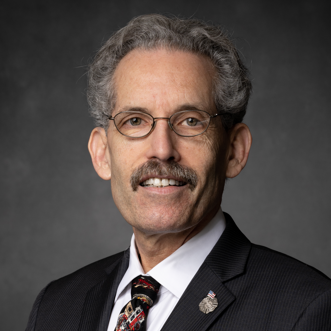
David PrezantGuest
Jesse RomanHost
Do we have a good understanding today of the substances or compounds or just general hazardous stuff that was in the air that workers at the site were exposed to? Well, that's been well studied.

Unfortunately, there's very little data on what was aerosolized that morning.

But from what has been collected in the days thereafter, it was very clear that there was a tremendous exposure to many of the combustible components of jet fuel, to all of the pulverized materials in the buildings themselves, including a variety of known carcinogens and a variety of suspected carcinogens.

But One of the main things that people don't realize is that irrespective of the actual chemicals, the dust itself, what we call particulate matter, what we call PM2.5s, those small particulates get down into the most distal areas of the lungs, what we call the alveoli, where they can become systemically absorbed.

So they're not just causing Lung problems, they're also resulting in systemic problems on the basis of just inflammation that is chronic and ongoing for a variety of different reasons.

And that, you know, doesn't have a sexy chemical name to it, but is actually probably the main culprit in many of the diseases that we've been seeing.

Based on some of the studies that were done by NIOSH and maybe some of the research at FDNY, do we have much of a sense about the prevalence of respirator use or PPE use among firefighters at Ground Zero in the days and weeks after?

We know that everybody, except possibly the people that volunteered and self-deployed, we know that everybody had a self-contained breathing apparatus, all of the firefighters.

And that's the best protection and would have provided perfect protection against both respiratory upper and lower airway and systemic absorption through the respiratory tract.

But as our NFPA brothers and sisters know, that only lasts at most around 20 minutes.

And normally at a fire, we come out, and other people go in with a fresh SCBA.

But on that particular day, it was an overwhelming attack on New York City and people were not able to get another bottle, another fresh SCBA bottle.

So if you discount that initial SCBA, which most people had, not everyone, but most people, most firefighters, then what are they left with? And they were left with what both our firefighters and our EMS providers had, which was an N95 respirator, which would have been acceptable, nowhere near as good as an SCBA, but at least acceptable.

But in our surveys that we did, the vast majority of people on day one were not using anything.

Gradually in that day and the days that followed, they were wearing dust masks, which are not acceptable.

And it took us a while to get N95s and half-face elastomeric respirators to them.

Why am I wearing this uncomfortable respirator and N95 or a half-face particulate matter? Ultimately that was the wrong decision.

Do we have a good understanding today of the substances or compounds or just general hazardous stuff that was in the air that workers at the site were exposed to? Well, that's been well studied.

Unfortunately, there's very little data on what was aerosolized that morning.

But from what has been collected in the days thereafter, it was very clear that there was a tremendous exposure to many of the combustible components of jet fuel, to all of the pulverized materials in the buildings themselves, including a variety of known carcinogens and a variety of suspected carcinogens.

But One of the main things that people don't realize is that irrespective of the actual chemicals, the dust itself, what we call particulate matter, what we call PM2.5s, those small particulates get down into the most distal areas of the lungs, what we call the alveoli, where they can become systemically absorbed.

So they're not just causing Lung problems, they're also resulting in systemic problems on the basis of just inflammation that is chronic and ongoing for a variety of different reasons.

And that, you know, doesn't have a sexy chemical name to it, but is actually probably the main culprit in many of the diseases that we've been seeing.

Based on some of the studies that were done by NIOSH and maybe some of the research at FDNY, do we have much of a sense about the prevalence of respirator use or PPE use among firefighters at Ground Zero in the days and weeks after?

We know that everybody, except possibly the people that volunteered and self-deployed, we know that everybody had a self-contained breathing apparatus, all of the firefighters.

And that's the best protection and would have provided perfect protection against both respiratory upper and lower airway and systemic absorption through the respiratory tract.

But as our NFPA brothers and sisters know, that only lasts at most around 20 minutes.

And normally at a fire, we come out, and other people go in with a fresh SCBA.

But on that particular day, it was an overwhelming attack on New York City and people were not able to get another bottle, another fresh SCBA bottle.

So if you discount that initial SCBA, which most people had, not everyone, but most people, most firefighters, then what are they left with? And they were left with what both our firefighters and our EMS providers had, which was an N95 respirator, which would have been acceptable, nowhere near as good as an SCBA, but at least acceptable.

But in our surveys that we did, the vast majority of people on day one were not using anything.

Gradually in that day and the days that followed, they were wearing dust masks, which are not acceptable.

And it took us a while to get N95s and half-face elastomeric respirators to them.

Why am I wearing this uncomfortable respirator and N95 or a half-face particulate matter? Ultimately that was the wrong decision.
The rest of this transcript — segmented and speaker-labeled, so you land on the exact moment something was said
Search every transcript — by keyword, by phrase, or by meaning, across every show Radar indexes
Trends — what is surging across podcasts, measured against its own baseline
Alerts — when a name you follow appears in a newly indexed episode
No account is needed to search Radar.