This week for Where to Think About in the National Park Service Universe is the Upper Housatonic Valley in far western Massachusetts.
This is an interesting spot since it contains places worth visiting that are associated with this week's topic, paper, both in the making and the using.
Rebuilding it would happen in 1844 with the construction of the Rag Room.
This is the place where scrap cotton and linen rags were accumulated for papermaking.
This room would go on to have many lives, including the Crane Company Museum, which alas closed in 2024.
Currently, these exhibits about the history of papermaking reside in the library nearby in Lenox, Massachusetts.
The Crane Company would go on to be known for providing thick, impressive looking stationery that you use to look official and important.
But the other half, the using of paper for publishing books, is also important in western Massachusetts.
Three standout American authors associated with the late 19th century all came from this part of the state, which attests to its early establishment of education and the practice of affording access to education for more than just the sons of well-off prominent white men.
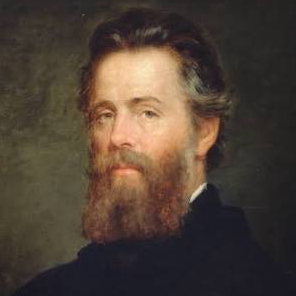
He wrote a variety of works of greater and lesser success, including his last book, Pierre or the Ambiguities, which caused a major New York magazine to label him as crazy.
in all caps the farm arrowhead is now a melville museum where you can learn about his peripatetic wandering life including his time at sea the second writer edith wharton was still wealthy but a woman despite this she managed to become the first woman to be awarded the pulitzer prize for fiction in 1920 for the age of innocence which in a nutshell is about how being rich isn't as cushy as you thought it might be, especially when you are a woman.
It's a less spiky book than The House of Mirth, which also considers the troubles of the high life.
All the same, she had it pretty good and was able to study design, and implement much of it in her house, The Mount, in Lenox, Massachusetts, near the Crane Company headquarters.
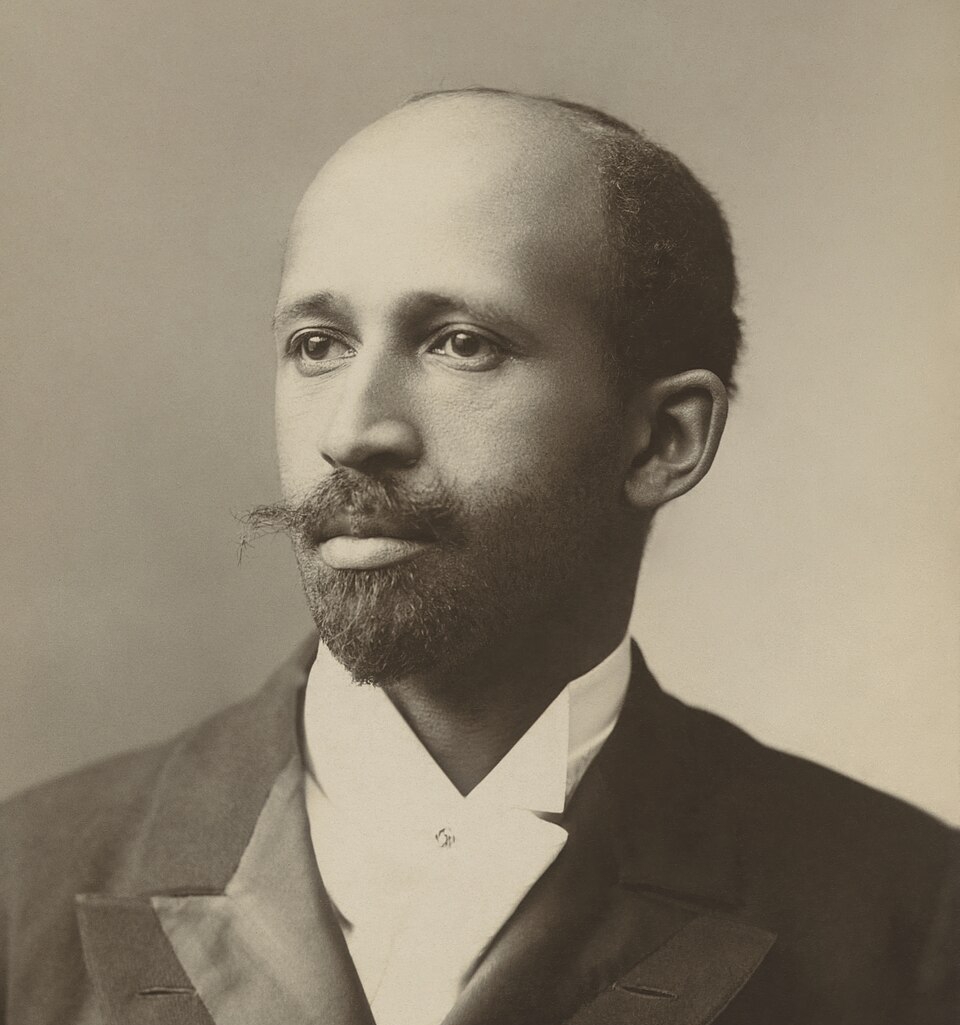
The third writer is W.E.B. Du Bois.
Born in 1868 in Great Barrington, Massachusetts, the child of freedmen and longtime landowners in the state, he could trace his heritage not only to Africa, but from English, Dutch, French, and Caribbean origins.
He attended an integrated school in Great Barrington and would attend college at Fisk University in Nashville, Tennessee.
Among a long list of interests and studies, he would write and speak extensively and internationally on sociology and history and become the first black man to be awarded a doctorate by Harvard University in 1895.
Through 2024, there were guided walking tours of landmarks in the life of Du Bois including his home site.
Due to funding changes, the tour is now self-guided, though there are mobile apps that will take you on the tour on both Apple and Google Play, and I will include links in the show notes.
So if you're looking for some history that covers both the making of and the prolific use of 19th century paper, look no further than the upper Housatonic Valley in far western Massachusetts, where you can visit with the Crane Company, Herman Melville, Edith Wharton, and W.E.B. Du Bois, and see how much hubbub was truly going on with and around paper at the end of the 19th century.
Read the full transcript.
Create an account to read the whole episode, search across every transcript, and follow the shows you care about.