Sep 30, 2026 · 29 min · 11 segments
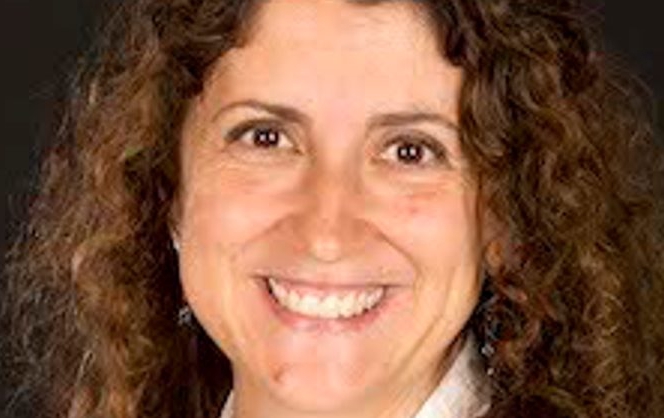
**Prof. Sandra Vukusic has been named the 2026 recipient of the Rachel Horne Prize for Women's Research in MS.** In this special episode of the ECTRIMS Podcast, Sandra joins prize founder Rachel…
Sandra VukusicGuest
Brett DrummondHostRachel HorneGuest
Yeah, and I think the change is something I also want to talk a little bit about, just in terms of how we've got to this point.

Because I think if we think about things in 2026, I think where we're at with women's health in MS is definitely better than it has been.

I think awards like the Rachel Horne Prize have really helped shine a light on what's happening.

But if we think not that long ago, are you surprised that in a disease that we know affects three times more women than men, in a disease that we know impacts women at a time of their life when an aspect like family planning is so important, were you surprised in those early days when you were coming through that this wasn't a bigger area of research, that it's taken a while for us to really focus on women's health in MS? Yes.

Is the reason for that the fact that many neurologists were men? And then now we have a lot of women neurologists and maybe we are a little different.

bit more concerned about the questions around women's health, pregnancy, menopause, and so on.

And I think it's why it's important that, you know, that the Rachel Horne Prize in particular is shining a spotlight, not just on women's health in MS, but women scientists who are conducting this research.

Because I think, you know, there is that better level of understanding, as you say, you can connect on some of these things.

Rachel obviously talked about it a little bit as she was announcing the award that you've had some really impactful findings across your career that, that are, um, you know, hugely important for women living with MS in terms of the questions that they've answered and how it can change their lives.

But in your words, what have been some of the biggest findings and things that you think you've been able to develop across the course of your career?

The first one summarizes 25 years for me of concerns around pregnancy planning and how to manage MS in those periods of life.

And it is, of course, our work published last year in Neurology done on the French MS registry data, which is called OFSAP, and showing that women with MS have less chances to receive a DMT than men.

taken into account or correcting for disease activity, severity, and after excluding the pregnancy year where, of course, women are less exposed to DMTs.

And the study also showed that the difference is even more important with highly active DMTs, which is a pity.

Yeah, and I think the change is something I also want to talk a little bit about, just in terms of how we've got to this point.

Because I think if we think about things in 2026, I think where we're at with women's health in MS is definitely better than it has been.

I think awards like the Rachel Horne Prize have really helped shine a light on what's happening.

But if we think not that long ago, are you surprised that in a disease that we know affects three times more women than men, in a disease that we know impacts women at a time of their life when an aspect like family planning is so important, were you surprised in those early days when you were coming through that this wasn't a bigger area of research, that it's taken a while for us to really focus on women's health in MS? Yes.

Is the reason for that the fact that many neurologists were men? And then now we have a lot of women neurologists and maybe we are a little different.

bit more concerned about the questions around women's health, pregnancy, menopause, and so on.

And I think it's why it's important that, you know, that the Rachel Horne Prize in particular is shining a spotlight, not just on women's health in MS, but women scientists who are conducting this research.

Because I think, you know, there is that better level of understanding, as you say, you can connect on some of these things.

Rachel obviously talked about it a little bit as she was announcing the award that you've had some really impactful findings across your career that, that are, um, you know, hugely important for women living with MS in terms of the questions that they've answered and how it can change their lives.

But in your words, what have been some of the biggest findings and things that you think you've been able to develop across the course of your career?

The first one summarizes 25 years for me of concerns around pregnancy planning and how to manage MS in those periods of life.

And it is, of course, our work published last year in Neurology done on the French MS registry data, which is called OFSAP, and showing that women with MS have less chances to receive a DMT than men.

taken into account or correcting for disease activity, severity, and after excluding the pregnancy year where, of course, women are less exposed to DMTs.

And the study also showed that the difference is even more important with highly active DMTs, which is a pity.
The rest of this transcript — segmented and speaker-labeled, so you land on the exact moment something was said
Search every transcript — by keyword, by phrase, or by meaning, across every show Radar indexes
Trends — what is surging across podcasts, measured against its own baseline
Alerts — when a name you follow appears in a newly indexed episode
No account is needed to search Radar.