Tim Winton returns to Cloudstreet while Holly Ringland pines for the 90s
Sep 13, 2026 · 51 min · 10 segments
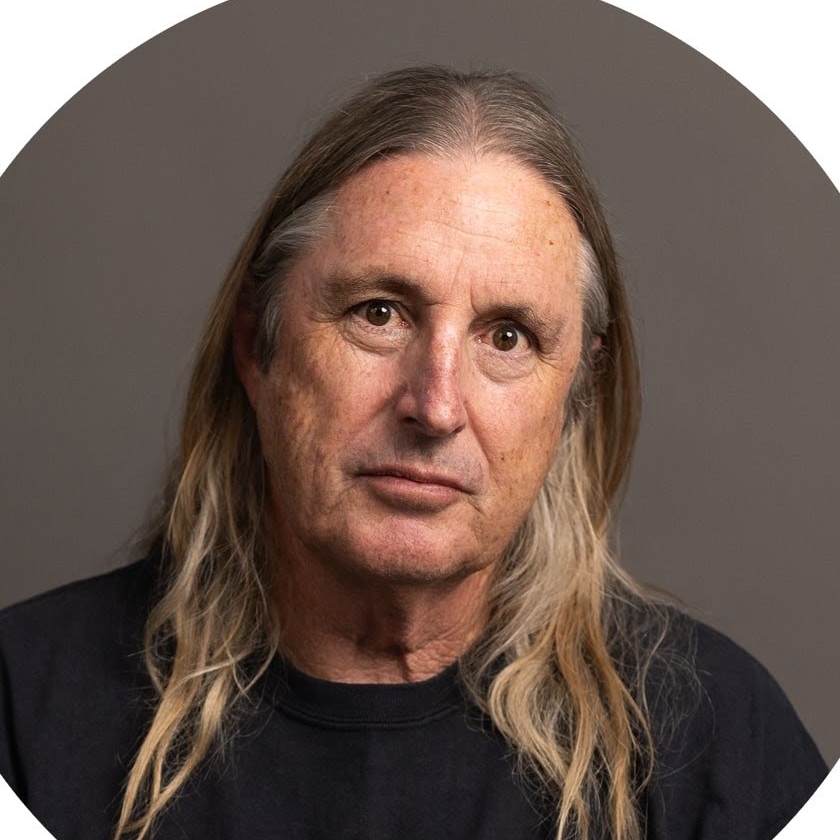
Tim Winton explains why his beloved Cloudstreet is not a nostalgic novel, while Holly Ringland admits she was "nostalgia sick" for the 1990s while writing The World Beneath Her Feet…
Tim Winton explains why his beloved Cloudstreet is not a nostalgic novel, while Holly Ringland admits she was "nostalgia sick" for the 1990s while writing The World Beneath Her Feet. Cloudstreet follows the Lamb and Pickles families, who live under the same roof but move in very different circles. Loosely based on the two sides of Tim Winton's family, the novel's distinctive vernacular grew from the stories he heard as a child. In this interview for Radio National's Top 100 Australian Books, Tim tells Claire Nichols why the book's enduring popularity remains a mystery to him more than 30 years after its publication. Ahead of the release of his memoir, Songs from the Firefront, Tim also shares some of the true stories that feature in this classic including the heartbreaking story of his grandmother. Will you be voting for Cloudstreet? Vote now in ABC Radio National's Top 100 Australian Books. Holly Ringland's debut The Lost Flowers of Alice Hart was voted into the inaugural Top 100 Books in 2025 and now she's published her third novel The World Beneath Her Feet. It's about the troubled past of a gemstone expert growing up in the 1990s which is significant to Holly as the last time teenagers grew up unrecorded without social media and a camera in their pocket Listen to Claire's interview with Holly about her second novel The Seven Skins of Esther Wilding. We want to know what you think of Radio National's book podcasts (The Book Show and The Bookshelf). Help us understand what's working, what's not, and how we can make our book programs even more useful, relevant and unmissable. Please take this quick survey.
Tim Winton explains why his beloved Cloudstreet is not a nostalgic novel, while Holly Ringland admits she was "nostalgia sick" for the 1990s while writing The World Beneath Her Feet…