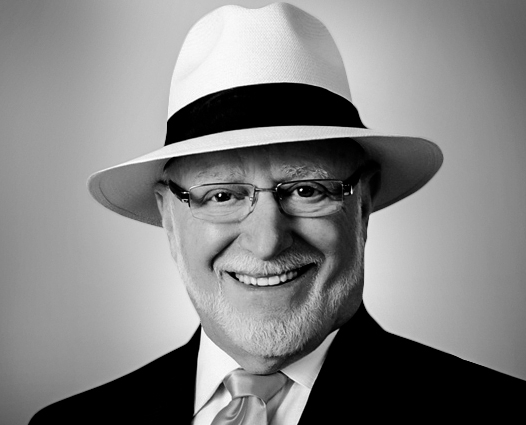
How a Fractional COO Helps Founders Get Unstuck ana Scale Their Business with Jim De Vico
Sep 14, 2026 · 29 min · 11 segments
In this episode of the B2B Growth Blueprint podcast, host Mark Osborne sits down with fractional COO and Praxis LA founder Jim Davico. With nearly four decades of experience building and scaling…
In this episode of the B2B Growth Blueprint podcast, host Mark Osborne sits down with fractional COO and Praxis LA founder Jim Davico. With nearly four decades of experience building and scaling technology-enabled service businesses—especially MSPs—Jim shares how he repeatedly steps into founder-led companies, installs operating systems, and helps them grow through to acquisition. From co-founding a dental practice management software company to leading MSPs and launching Senior Living Watch, Jim's career offers a masterclass in operational leadership. Jim explains the true role of a Chief Operating Officer as "chief operating," not just "operations", and why founders so often become the biggest bottleneck in their own companies. He and Mark dig into the critical inflection point when leaders say, "I'm too busy to grow the business." They explore how to remove the founder from day-to-day firefighting, build systems and processes, and increase company value by making the business less dependent on its owner. Jim shares concrete examples of redirecting CEOs away from sales and technical support so they can focus on vision, strategy, and growth. The conversation then turns to AI, EOS, and modern operating systems for small and mid-sized businesses. Jim compares today's AI revolution to the PC era, arguing that employees must now act as AI managers—setting goals, reviewing output, and training systems with clear values and constraints. He and Mark talk about practical ways to implement elements of EOS (like Rocks and Level 10 meetings), even for smaller teams, and how to think strategically about people, process, and technology in that order. Jim closes by sharing who he works with (tech-focused companies in the $2–50M range) and how he helps leadership teams get unstuck, eliminate bottlenecks, and finally work on the business instead of in it. Quotes: • What I do is I come in and I find companies where this person can't take a vacation for two weeks because the company is going to come to a grinding halt... I'll come in and I'll put systems in place to make sure that they can trust what's happening and they can get back to working on growing the business rather than solving all the day-to-day problems. • A company is more valuable when the person who owns it doesn't need to be there. It becomes more valuable at that point. • You gotta tell them and then you gotta show them... putting systems in place and showing them, 'Okay, here's what we're doing... here's how things are improving,' and then that gives them the level of trust that okay, yeah, let's continue down this path. • Basically, employees today have to become managers. They have to think about the bigger picture... and review the work output that's coming from AI, rather than just accepting it and rubber stamping it. • I work with companies where they feel stuck... where they're working in the business rather than on the business. That's when you call me. I'll help them figure out where the bottlenecks are and what systems we can put in place so they don't have to be in it all the time. Takeaways: 1 Founders Often Become the Bottleneck Many small and mid-sized businesses stall because the founder insists on making every decision and handling every critical task. Jim shows that real growth starts when leaders remove themselves from daily operations and let systems and people take over. 2 COO Means Chief Operating Officer, Not Just Operations Jim views the COO as a manager of the business's entire operating system, similar to a baseball manager who ensures every player has the right tools and plays well together. It is a strategic role focused on how the whole company runs, not just one department. 3 Systems Increase Both Freedom and Company Value When a business can run and grow without the owner present, that business becomes more valuable. By installing processes and clear responsibilities, Jim helps founders finally take vacations while also making their companies more attractive for eventual sale. 4 Early Wins Build Trust in New Processes Jim starts by listening to leadership and front-line staff, identifying misalignments, and then implementing simple systems that deliver quick improvements. Those early wins build buy-in and motivate teams to commit to deeper operational changes. 5 AI Turns Every Employee Into a Manager of Work AI can do many tasks, but it still requires guidance, correction, and quality control. Jim argues that modern employees must think like managers: define goals, review AI output, and train it to align with company standards and values. 6 Simple Operating Frameworks Create Discipline Concepts like quarterly Rocks and structured weekly meetings from systems such as EOS help even smaller teams build focus and accountability. When everyone knows the priorities and reports progress regularly, execution improves across the organization. Conclusion In this episode, Jim Davico shows that real scale comes not from working harder, but from designing a business that can run and grow without the founder at the center of everything. By reframing the COO as a true chief operating officer, implementing simple but powerful systems, and learning to manage tools like AI strategically, leaders can escape the trap of being "too busy to grow." Jim's stories and frameworks give small and mid-sized, tech-enabled businesses a clear path to remove bottlenecks, increase company value, and finally shift from working in the business to working on the business. Guest link https://www.linkedin.com/in/jimdevico/ Company link https://praxis.la
In this episode of the B2B Growth Blueprint podcast, host Mark Osborne sits down with fractional COO and Praxis LA founder Jim Davico. With nearly four decades of experience building and scaling…
- Show signals
- Audience≈802 followers