Sep 21, 2026 · 58 min · 9 segments
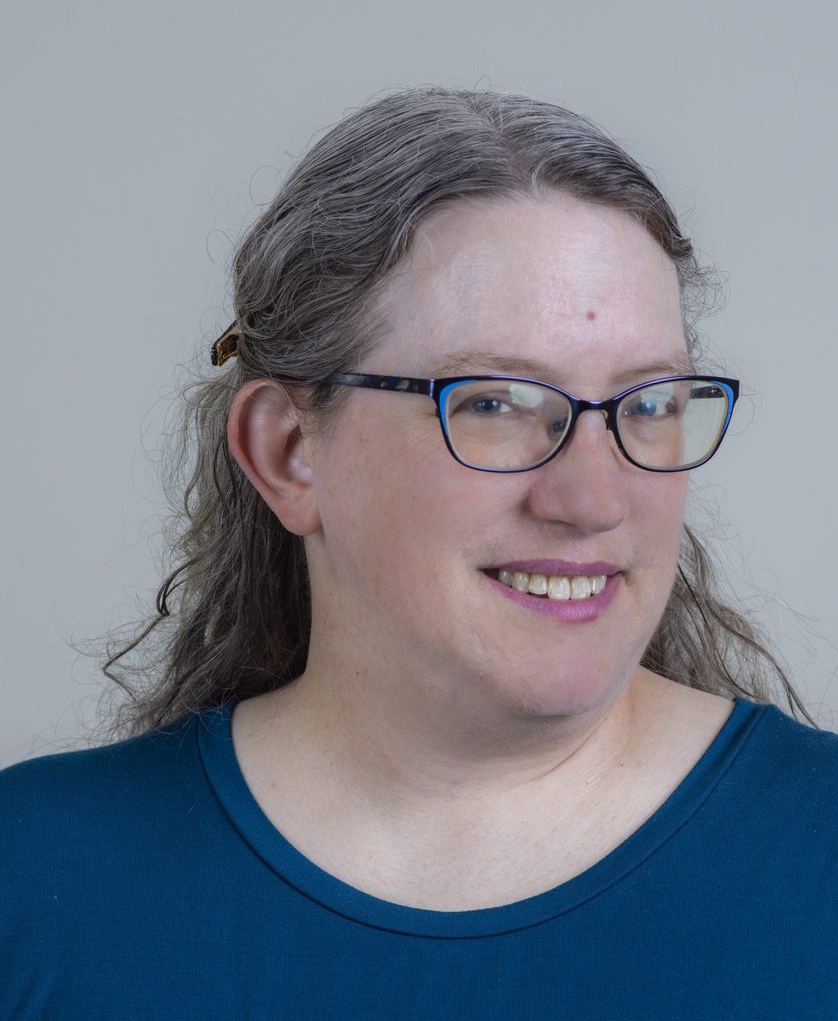
We're joined in the studio by Mallory Baches, President of the Congress for the New Urbanism, who was in town to plan their 2027 conference in Minneapolis. Come listen in on our conversation! ##…
So the Congress for the New Urbanism, it sounds like a very particular title, a particular name, right? Let's break down the different parts of that.
We are named a Congress because we are an activated organizing group of people.
The organization came together sort of by virtue of like minded people finding each other.
realizing that they shared a passion for walkability and sustainability and equity in the cities and towns that they were working in, regardless of their discipline.
Folks from pretty much any professional discipline that impacts the built environment, but also just advocates, community members who want to see change.
A very big part of our why of coming together is to share knowledge with each other, but also to push for improvements in our work and in the development patterns that exist across the country.
Is it still new? And was it ever new? What was the old urbanism? Really, I think it's important to give context to the fact that when CNU was coming together, there had been a movement of folks regularly gathering before the organization was founded in 1993.
Cities had gone through nearly a generation of people leaving cities, of abandoning the cores of cities.
And The sort of tantalizing appeal of the newness of suburbia and the founders of our organization, that founding generation, were promoting the fact that we could go back to building cities and towns the way human beings have done before.
nearly our entire existence of you know proximity to each other mutual benefit to the ways that you know buildings are placed and and how people are able to interact with each other as a result it was new to think about that in that way in 1993 the
New in the sense that we wouldn't be able to achieve this kind of urbanism within the current context without intentionality.
Whereas hundreds of years ago, it came about organically because each of those individual pieces just made sense on their own.
The rest of this transcript — segmented and speaker-labeled, so you land on the exact moment something was said
Search every transcript — by keyword, by phrase, or by meaning, across every show Radar indexes
Trends — what is surging across podcasts, measured against its own baseline
Alerts — when a name you follow appears in a newly indexed episode
No account is needed to search Radar.