The Takina Accord: One Path Towards Inclusive, Scalable, & Sustainable Education
Sep 12, 2026 · 1 hr 3 min · 14 segments
While billions of people in this planet enjoy educational access here in the 21st century, globally, more than 272 million children and youth are out of school. Seven of ten ten-year olds who live in…
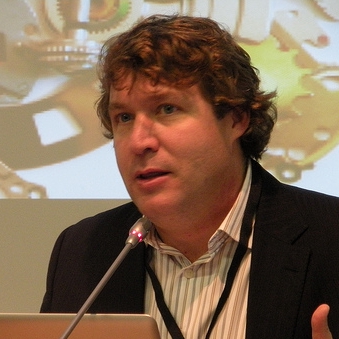
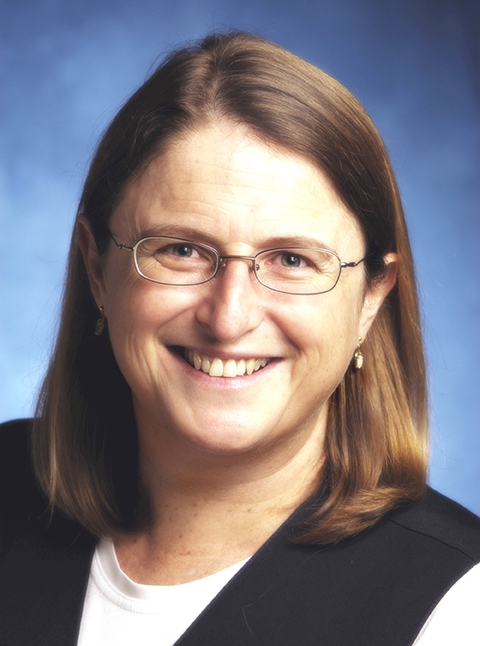
While billions of people in this planet enjoy educational access here in the 21st century, globally, more than 272 million children and youth are out of school. Seven of ten ten-year olds who live in low-income countries are unable to read a simple story. In response, in March 2026, the International Council for Open and Distance Education published an important new report, **THE TĀKINA ACCORD: Advocating inclusive, scalable, and sustainable education.** The ICDE Education Policy Forum report highlights insights from over 250 education leaders and experts who had gathered at a pre-conference activity as part of the 2025 ICDE World Conference in Wellington, Aotearoa New Zealand from November 11-13, 2025. During the event, these education leaders discussed the various policy solutions for promoting inclusive, scalable, and sustainable education in ways aligned with UN Sustainable Development Goal (SDG) 4, *Ensure inclusive and equitable quality education and promote lifelong learning opportunities for all*. In Episode #278 of Silver Lining for Learning we will hear from Mark Nichols, President of the International Council for Open and Distance Education (ICDE) and Giselle Byrnes Professor and Provost at Massey University, who were the two editors of that the Takina Accord. They will describe the genesis for the report as well as the intended uses of it. Mark and Gisselle will point out the significant challenges that remain today to educational access. What policies and frameworks can support higher education in ways that are scalable, inclusive, and sustainable. Importantly, they will talk about the quality standards that might be put into place. Access the report at THE TĀKINA ACCORD: Advocating inclusive, scalable, and sustainable education **Mark Nichols, President of the International Council for Open and Distance Education (ICDE) and Executive Director of Learning Design & Development at the Open Polytechnic of New Zealand** Dr. Mark Nichols is a global leader in open, distance, and innovative education, known for his contributions to the advancement of learning systems that expand availability, inclusivity, scalability, and sustainability. He currently serves as Executive Director, Learning Design & Development at the Open Polytechnic of New Zealand, where he leads education design and is an innovator in the adoption of artificial intelligence. With more than two decades of experience across the tertiary and international education sectors, Mark has shaped policy, research, and practice in open and distance learning worldwide. He is President of the International Council for Open and Distance Education (ICDE) and a former Commonwealth of Learning Chair, roles through which he contributes to global dialogues on the future of technology-enhanced education. He is also a Principal Fellow of the Higher Education Academy (PFHEA), an EDEN Fellow, a founding member of the Aotearoa Tertiary AI Network (ATAIN), and a lifetime member of the Flexible Learning Association of New Zealand (FLANZ). Mark’s research spans the pedagogical implications of digital innovation, organisational capability and strategy, and the ethical and strategic integration of AI in education. His published work includes contributions to international journals, books, and edited volumes that foreground openness, learner-centred design, and system-level transformation. He can be reached at [Mark.Nichols@openpolytechnic.ac.nz](mailto:Mark.Nichols@openpolytechnic.ac.nz) and on LinkedIn. **Professor Giselle Byrnes, Provost at Massey University** Professor Byrnes is an internationally recognised historian, with senior management experience in universities in Australia and in New Zealand, who joined Massey in January 2016. She has a Bachelor of Arts in History and English and a Master of Arts in History from the University of Waikato and a PhD in History is from the University of Auckland. She has worked for the Waitangi Tribunal, taught at Victoria University of Wellington and held academic and management roles at the University of Waikato and Charles Darwin University. Professor Byrnes has been Fulbright scholar teaching New Zealand Studies at Georgetown University, Washington DC, and has served as President of the New Zealand Historical Association. She has a commitment to advancing the agenda around equity and access to higher education and is a strong advocate of the critical role played by modern universities in creating social, cultural and intellectual capital for public benefit and economic wellbeing. She can be contacted at [G.Byrnes@massey.ac.nz](mailto:G.Byrnes@massey.ac.nz) and her university homepage. Join the conversation at silverliningforlearning.org
While billions of people in this planet enjoy educational access here in the 21st century, globally, more than 272 million children and youth are out of school. Seven of ten ten-year olds who live in…