Imagine, if you will, a Saturday morning in Johannesburg on the thirteenth of October, nineteen ninety.
The sky is low and gray.
A light rain is falling, the kind that darkens the sidewalks and beads on car windshields and makes the purple jacaranda blossoms stick to the soles of your shoes.
Minibus taxis hoot at the corners.
Somewhere, a radio is playing.
And on one of the city streets, a few hundred people are gathering.
They are men and women, Black and white, young and not so young.
Some of them carry hand-painted signs.
Some of them hold umbrellas.
And some of them are holding brown paper bags with two small holes cut in the front for eyes.
The bags are for their faces because this morning, they are about to do something no one on the whole continent of Africa has ever done before.
They are about to march in public, in daylight, as gay and lesbian people.
And for some of them, being seen could cost a job, a home, a family.
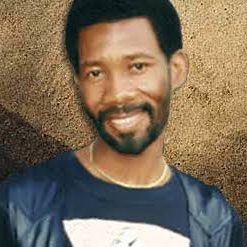
Near the front of the crowd is a slim man of thirty-two with a quick smile and a voice that carries.
He is not wearing a bag.
He has spent a long time learning not to hide.
His name is Simon Nkoli, and he has been walking toward this morning his whole life.
Let's step back from the rain and find out where that walk began.
Siyeko Simon Nkoli is born on November twenty-sixth, nineteen fifty-seven, in Phiri, a neighborhood of Soweto, the great sprawl of townships southwest of Johannesburg.
It is the age of apartheid, when the government decides where every person may live and work and sleep according to the color of their skin.
Under its pass laws, Simon's parents are not permitted to live together in the house where their children are.
So the family lives with a quiet, constant watchfulness.
When Simon is about nine years old, the police come knocking, and the boy does something brave and practical.
He hides his mother and father in a wardrobe, closes the door, and turns the key.
He waits while the officers look around.
Imagine, if you will, a Saturday morning in Johannesburg on the thirteenth of October, nineteen ninety.
The sky is low and gray.
A light rain is falling, the kind that darkens the sidewalks and beads on car windshields and makes the purple jacaranda blossoms stick to the soles of your shoes.
Minibus taxis hoot at the corners.
Somewhere, a radio is playing.
And on one of the city streets, a few hundred people are gathering.
They are men and women, Black and white, young and not so young.
Some of them carry hand-painted signs.
Some of them hold umbrellas.
And some of them are holding brown paper bags with two small holes cut in the front for eyes.
The bags are for their faces because this morning, they are about to do something no one on the whole continent of Africa has ever done before.
They are about to march in public, in daylight, as gay and lesbian people.
And for some of them, being seen could cost a job, a home, a family.
Near the front of the crowd is a slim man of thirty-two with a quick smile and a voice that carries.
He is not wearing a bag.
He has spent a long time learning not to hide.
His name is Simon Nkoli, and he has been walking toward this morning his whole life.
Let's step back from the rain and find out where that walk began.
Siyeko Simon Nkoli is born on November twenty-sixth, nineteen fifty-seven, in Phiri, a neighborhood of Soweto, the great sprawl of townships southwest of Johannesburg.
It is the age of apartheid, when the government decides where every person may live and work and sleep according to the color of their skin.
Under its pass laws, Simon's parents are not permitted to live together in the house where their children are.
So the family lives with a quiet, constant watchfulness.
When Simon is about nine years old, the police come knocking, and the boy does something brave and practical.
He hides his mother and father in a wardrobe, closes the door, and turns the key.
He waits while the officers look around.
The rest of this transcript — segmented and speaker-labeled, so you land on the exact moment something was said
Search every transcript — by keyword, by phrase, or by meaning, across every show Radar indexes
Trends — what is surging across podcasts, measured against its own baseline
Alerts — when a name you follow appears in a newly indexed episode
No account is needed to search Radar.