


EMOTIONAL1:13
The Vocation of the Cross
The cross was not accepted without agony

Sep 22, 2026 · 26 min · 11 segments
When Job asked for the purpose of his suffering, he didn't receive an immediate answer. Instead, Job encountered God Himself. Today, R.C. Sproul considers how the Lord brings dignity to our pain…
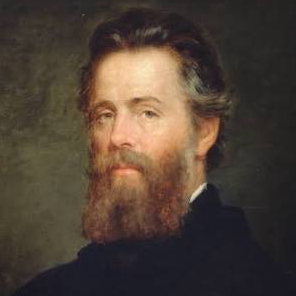
There's a somewhat lesser-known work of Herman Melville, the author of Moby Dick and Billy Budd and a host of South Sea adventure stories.
He says, "Until we learn that one grief outweighs a thousand joys, we will never understand what Christianity is trying to make us." Now, when Melville makes that statement, I don't think that he's simply being morbid or pessimistic, but he is echoing a sentiment that we find in scripture itself.
For example, the wisdom literature of the Old Testament declares that it is better to go to the house of mourning than to spend our time with fools.
It's just one more case in point where we see how closely related the God of scripture is to the reality of suffering and of pain.
And in the first segment together, I mentioned this word, vocation.
And usually when we use this word vocation, we're referring to our career or to our life's work.
Whenever I meet someone the first time, I ask them what their name is and where they live, and then inevitably I'll say, "What do you do?" I'm inquiring about your vocation.
We have vocational tests.
We have vocational schools.
So this word is a very important part of our vocabulary.
But its root meaning, its classical meaning, is taken from the Latin word that means to call.
And the idea earlier on in our history when we understood that God calls people into various tasks and various occupations.
He doesn't just call people into the ordained ministry, to clergy and so on, but He calls people to be physicians.
He calls people to be involved in jurisprudence.
He calls people into productive enterprises of business and so on.
That this idea of vocation has to do with the fact that we are confident that as the Lord of history and as the Lord of all of life, God places His call upon people to perform certain tasks.
But we don't usually think of suffering or of dying as a vocation.
I haven't seen any vocational schools that give a diploma in suffering or, uh, or a place where you can go and study how to die.
And yet, if I understand what scripture is teaching about the nature of suffering and about the nature of death, I think that it is safe for us to see that there are times in a person's life where the call of God upon that person may not be to banking or to being a doctor or to being a minister or whatever.
But the call of God on the person's life for that portion of their life is to suffer, perhaps even to die.
As I said earlier, that may sound far out to you and radical.
There's a somewhat lesser-known work of Herman Melville, the author of Moby Dick and Billy Budd and a host of South Sea adventure stories.
He says, "Until we learn that one grief outweighs a thousand joys, we will never understand what Christianity is trying to make us." Now, when Melville makes that statement, I don't think that he's simply being morbid or pessimistic, but he is echoing a sentiment that we find in scripture itself.
For example, the wisdom literature of the Old Testament declares that it is better to go to the house of mourning than to spend our time with fools.
It's just one more case in point where we see how closely related the God of scripture is to the reality of suffering and of pain.
And in the first segment together, I mentioned this word, vocation.
And usually when we use this word vocation, we're referring to our career or to our life's work.
Whenever I meet someone the first time, I ask them what their name is and where they live, and then inevitably I'll say, "What do you do?" I'm inquiring about your vocation.
We have vocational tests.
We have vocational schools.
So this word is a very important part of our vocabulary.
But its root meaning, its classical meaning, is taken from the Latin word that means to call.
And the idea earlier on in our history when we understood that God calls people into various tasks and various occupations.
He doesn't just call people into the ordained ministry, to clergy and so on, but He calls people to be physicians.
He calls people to be involved in jurisprudence.
He calls people into productive enterprises of business and so on.
That this idea of vocation has to do with the fact that we are confident that as the Lord of history and as the Lord of all of life, God places His call upon people to perform certain tasks.
But we don't usually think of suffering or of dying as a vocation.
I haven't seen any vocational schools that give a diploma in suffering or, uh, or a place where you can go and study how to die.
And yet, if I understand what scripture is teaching about the nature of suffering and about the nature of death, I think that it is safe for us to see that there are times in a person's life where the call of God upon that person may not be to banking or to being a doctor or to being a minister or whatever.
But the call of God on the person's life for that portion of their life is to suffer, perhaps even to die.
As I said earlier, that may sound far out to you and radical.
Every episode on Radar is fully transcribed, speaker-labeled, and rich with metadata. Here is a taste of this one. Try Radar for free to see the rest.
3 of 6
The Vocation of the Cross
The cross was not accepted without agony
God Answers Job Differently
Job receives no explanation, only God's presence
Jesus Was Born to Die
Jesus was born for suffering and death
+3 more clips · 8 min 18 sec of audio in all
The rest of this transcript — segmented and speaker-labeled, so you land on the exact moment something was said
All 6 clips — the highlight moments, each cut as its own audio, with a title and a speaker
All 11 segments — the transcript broken into labeled sections, every ad read marked
All 21 topics — jump to every other episode discussing the same subject
Every related episode — other shows Radar links to this one
No account is needed to search Radar.

