Ever since the developments of the first thermometers in the early 1700s, scientists around the globe became engrossed in finding the limits of temperature.
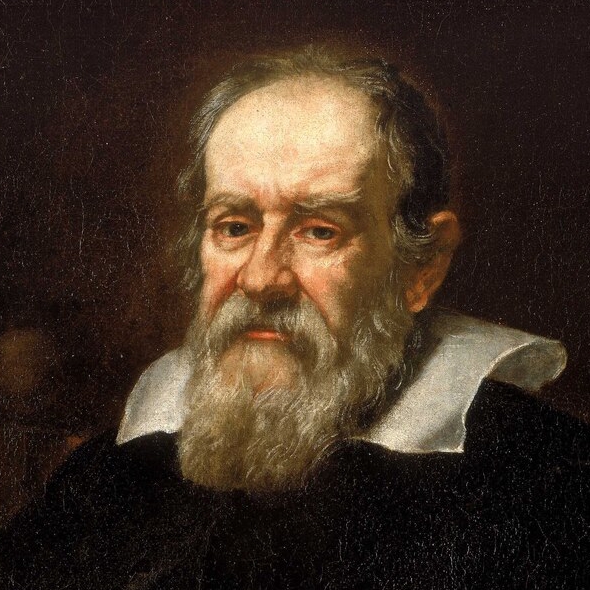
The thermometer was an improvement upon its predecessor, the thermoscope, invented in 1596 by Galileo Galilei.
Both instruments were exceptional at measuring temperature, but the edge the thermometer had over the thermoscope was the addition of a scale.
The first scales came independently from two places at once, one from Danish astronomer Ole Romer and the other from English physicist Isaac Newton.
Römer's scale took two reference points, the boiling point of water and the freezing point of salt water, and divided the space between the two points into sixty evenly spaced degrees.
Newton simultaneously also took two reference points, with zero degrees being the freezing point of water and twelve degrees being the temperature of the human body.
It wasn't until 1724, though, that a scale would be invented that would eventually spring into widespread use by a Dutch polist physicist named Daniel Fahrenheit.
The rest of this transcript — segmented and speaker-labeled, so you land on the exact moment something was said
Search every transcript — by keyword, by phrase, or by meaning, across every show Radar indexes
Trends — what is surging across podcasts, measured against its own baseline
Alerts — when a name you follow appears in a newly indexed episode
No account is needed to search Radar.