Coaching Shared Context
Nov 19, 2026 · 1 hr · 12 segments
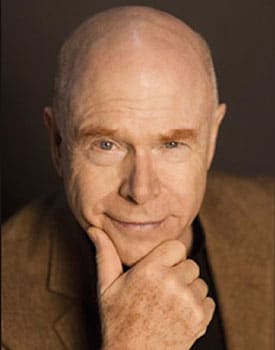
Christian Idiodi sits down with Martin Eriksson, co-founder of Mind the Product and author of The Decision Stack, for a practical conversation about why teams that know what they're building so often…
Christian Idiodi sits down with Martin Eriksson, co-founder of Mind the Product and author of The Decision Stack, for a practical conversation about why teams that know what they're building so often can't explain why it matters. They walk through each layer of the stack, and get pointed about why strategy is the layer most often missing, why leaders find it easier to add a priority than remove one, and how "even over" statements turn principles into real decision-making tools. They also unpack what teams should expect from their leaders, why empowerment without context is really abandonment, and where AI can help maintain alignment versus where the strategic bet has to stay human. – **Today's discussion unpacks:** - Why most companies have a strategy problem, not an execution problem - The how-why laddering test for spotting missing shared context - What separates an actionable vision from a fill-in-the-blanks statement - How decisions should stack, not cascade - What AI can do for strategy, and the bet it can't make for you – **References:** - Agile Manifesto: https://agilemanifesto.org/ - EQT: https://eqtgroup.com/ - Expedia: https://www.expedia.com/ - Jeff Gothelf: https://www.linkedin.com/in/gothelf/ - Jeff Weiner: https://www.linkedin.com/in/jeffweiner08/ - Joshua Seiden: https://www.linkedin.com/in/jseiden/ - Mind the Product: https://www.mindtheproduct.com/ - Monster: https://www.monster.com/ - Nate Walkingshaw: https://www.linkedin.com/in/natewalkingshaw/ - Richard Banfield: https://www.linkedin.com/in/richardbanfield/ - Richard Rumelt: https://www.linkedin.com/in/richard-rumelt-18520828/ - Shopify: https://www.shopify.com/ - Teresa Torres: https://www.linkedin.com/in/teresatorres/ – **SVPG on product strategy:** - Product Strategy Overview: https://www.svpg.com/product-strategy-overview/ - The Product Vision: https://www.svpg.com/the-product-vision/ - Team Objectives – Overview: https://www.svpg.com/team-objectives-overview/ - Discovery vs. Delivery: https://www.svpg.com/discovery-vs-delivery/ – **Where to find Martin Eriksson:** - LinkedIn: https://www.linkedin.com/in/martineriksson/ - Website: https://martineriksson.com/ - The Decision Stack: https://thedecisionstack.com/ – **Where to find Christian Idiodi:** - LinkedIn: https://www.linkedin.com/in/cidiodi/ - SVPG profile: https://www.svpg.com/team/christian-idiodi/ – **Where to find SVPG:** - SVPG's newest book, TRANSFORMED: https://www.svpg.com/books/transformed/ - Other books: https://www.svpg.com/books/ - Articles: https://www.svpg.com/articles/ - Workshops: https://www.svpg.com/ - Videos: https://www.svpg.com/videos/ – **Timestamps:** 00:00 Introduction 01:25 Most companies don't have an execution problem 03:25 The "how-why" laddering test for shared context 05:20 Five questions every organization must answer 07:10 Why strategy is the layer most often missing 08:35 What separates a real vision from a vague statement 11:05 Co-create more so you communicate less 13:30 Strategy as a coherent set of choices 18:10 Why leaders add priorities instead of removing them 23:15 Company strategy vs. product strategy 24:40 Where team objectives break down 31:40 Why opportunities sit between objectives and solutions 38:25 Making principles actionable: the Monster story 42:35 How the best leaders create shared context 46:45 Empowerment without context is abandonment 49:40 Where AI helps, and where it falls short – **Disclaimer:** While this podcast is named "Product Therapy", it is not hosted by licensed therapists or mental health professionals, and it is in no way a substitute for professional mental health services. We recognize the importance of mental well-being and encourage anyone facing personal difficulties to seek support from qualified professionals. See https://findahelpline.com/ – **Production:** Production by supermix.io
Christian Idiodi sits down with Martin Eriksson, co-founder of Mind the Product and author of The Decision Stack, for a practical conversation about why teams that know what they're building so often…