Patient Empowerment Program: A Rare Disease Podcast
Aug 5, 2026 · 29 min · 12 segments
Silence ALS is an initiative that aligns Columbia University and n-Lorem in support of the characterization of nano-rare amyotrophic lateral sclerosis (ALS) patients and the discovery and development…
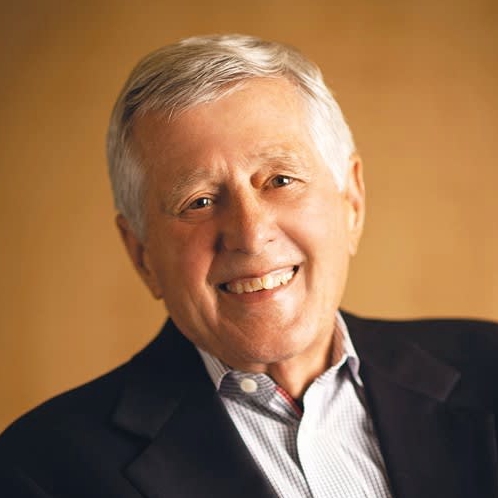
Neil ShneiderGuest
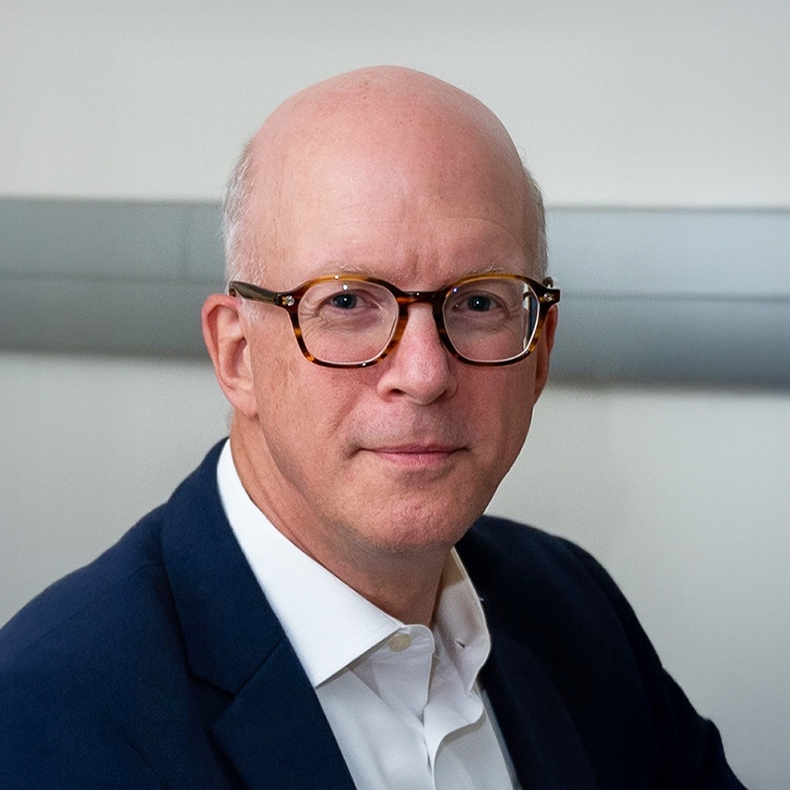
Stan CrookeHost
You know, um, we just-- Neil and I just finished another podcast, uh, recording, uh, with a patient of Neil's who has a form of ALS that, that we think we're, we're, we're, we're, we're helping, which is, um, an extraordinary thing to say, um, when wouldn't have been many years ago when we'd have had to say, "We might be able to help you with physical therapy, but there's really nothing more we can do for you." Those are really horrible things for anyone to hear and are horrible things for a physician to have to say.

I, and why don't, um, why don't, why don't we talk about that for just a minute? What, what is it like for you to be able to say, "I have some hope to give," as opposed to, "I really don't"?

Well, I mean, I, I think it's important, uh, to say that, um, ALS still in twenty twenty-six is a deadly disease, um, for the, for the majority of, of patients, um, who receive that diagnosis.

Um, and, um, you know, it's a, it's, it's a painful thing to tell a patient that they have ALS.

Um, and, um, it is, um, still standard of care in ALS for the most, for most of our patients, that the care is supportive care.

But, you know, it hasn't, for the most part, been possible to change the natural history of this disease, which is, um, invariably, inexorably fatal.

Um, and it comes in many different forms, some faster, some slower, uh, in, in their rate of pr- progression.

And so as an ALS clinician, you know, you develop tools, you know, to, to talk to patients about this, to protect yourself from the, uh, emotional, uh, trauma, uh, involved in, in caring of, of, of, of these, these, these patients.

Um, and, you know, for the better part m- uh, of my twenty-five-plus year career in ALS, you know, I-- this, this has been no examples really where we've been able to really alter the natural history of the disease in, in, in a, in a meaningful- Way.


Um, and, uh, this is, is the first, you know, example, true example, I think, of an ALS drug that, that alters the natural history of, of the disease.

And, and, and that's, um, um, an absolute milestone, um, in ALS and, and, and even, you know, more, more broadly.

You know, we can change the course of a degenerative, neurodegenerative disorder that is otherwise inexorably fatal.

Um, and even before and, uh, the, the, the Tofersen, uh, drug, um, efficacy was, was demonstrated through, through, um, formal trials, you know, I, I...

You know, um, we just-- Neil and I just finished another podcast, uh, recording, uh, with a patient of Neil's who has a form of ALS that, that we think we're, we're, we're, we're, we're helping, which is, um, an extraordinary thing to say, um, when wouldn't have been many years ago when we'd have had to say, "We might be able to help you with physical therapy, but there's really nothing more we can do for you." Those are really horrible things for anyone to hear and are horrible things for a physician to have to say.

I, and why don't, um, why don't, why don't we talk about that for just a minute? What, what is it like for you to be able to say, "I have some hope to give," as opposed to, "I really don't"?

Well, I mean, I, I think it's important, uh, to say that, um, ALS still in twenty twenty-six is a deadly disease, um, for the, for the majority of, of patients, um, who receive that diagnosis.

Um, and, um, you know, it's a, it's, it's a painful thing to tell a patient that they have ALS.

Um, and, um, it is, um, still standard of care in ALS for the most, for most of our patients, that the care is supportive care.

But, you know, it hasn't, for the most part, been possible to change the natural history of this disease, which is, um, invariably, inexorably fatal.

Um, and it comes in many different forms, some faster, some slower, uh, in, in their rate of pr- progression.

And so as an ALS clinician, you know, you develop tools, you know, to, to talk to patients about this, to protect yourself from the, uh, emotional, uh, trauma, uh, involved in, in caring of, of, of, of these, these, these patients.

Um, and, you know, for the better part m- uh, of my twenty-five-plus year career in ALS, you know, I-- this, this has been no examples really where we've been able to really alter the natural history of the disease in, in, in a, in a meaningful- Way.


Um, and, uh, this is, is the first, you know, example, true example, I think, of an ALS drug that, that alters the natural history of, of the disease.

And, and, and that's, um, um, an absolute milestone, um, in ALS and, and, and even, you know, more, more broadly.

You know, we can change the course of a degenerative, neurodegenerative disorder that is otherwise inexorably fatal.

Um, and even before and, uh, the, the, the Tofersen, uh, drug, um, efficacy was, was demonstrated through, through, um, formal trials, you know, I, I...
The rest of this transcript — segmented and speaker-labeled, so you land on the exact moment something was said
Search every transcript — by keyword, by phrase, or by meaning, across every show Radar indexes
Trends — what is surging across podcasts, measured against its own baseline
Alerts — when a name you follow appears in a newly indexed episode
No account is needed to search Radar.