Oct 15, 2026 · 24 min · 10 segments
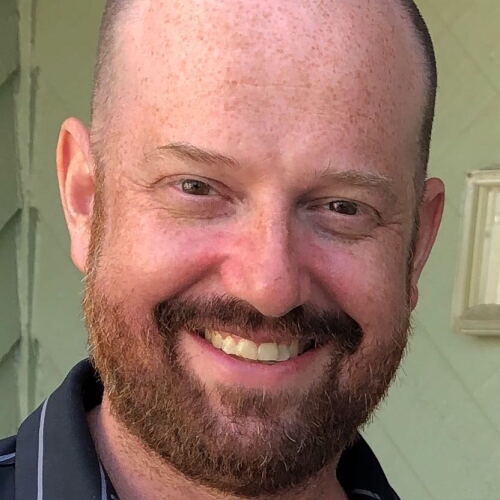
On this episode of the podcast the Field Leader Roadshow traveled to Allen County and the farm of Matt Burkholder. Dusty visits with Matt about the 2026 growing season and his journey in soil health…
Matt BurkholderGuestDusty SonnenbergHostWell, we're gonna take maybe a little bit of a stroll going back to your early times starting with, with the cover crops and, and some of the conservation practices, and just sort of talk through, uh, some of the struggles and challenges that were out there to hopefully provide encouragement to others that are in- considering changing what they're doing or transitioning over time to, uh, to, to tackle some of those.
Because I know any time you make a big change on an operation, it doesn't, doesn't always go the most smoothly or as smoothly as you'd like.
So I'll just throw out some different challenges I've heard and, and maybe get your response to those.
And, and one of the first ones that I think has gotta be the most scary for folks, I know I've experienced it, is dealing with slugs coming out of a cover or coming out of a, a, a thick situation of no-till.
Have you had issues with slugs, and maybe how, how have you dealt with that?

Um, it seems like maybe the first year or two, depending on the weather conditions, we can have some slug pressure.

You know, they were chewing on the beans, and, you know, the ground was too wet.

We couldn't get out to even spread, you know, something if we wanted to, um, and I didn't like the cost that it was-

And so I d- I just happened to run across a video on YouTube, it was by David Brandt, and he talked about the crabbed beetle.

So I went out in my field, I'm scouting, you know, looking around, and I identified a couple of the crabbed beetles, um, which I think they're hard to find because they're really fast.

Um, but I, I thought, "Well, that's pretty cool." You know, I was encouraged to find that.

And long story short, between the crabbed beetle, and we got some sunshine, nature won.

I didn't need to do, you know, an application of, uh, to try to kill the slugs.

Um, between the crabbed beetles eating them and, uh, the sunshine, the, the beans were able to outgrow them.
Um, let's talk about another one, and that is just the, uh, nature of getting a crop started, planting when you see all the neighbors running that maybe had stale seed bed or conventional till, and they're out there running, and you go out with a spade, and it just sticks to the spade.
Well, we're gonna take maybe a little bit of a stroll going back to your early times starting with, with the cover crops and, and some of the conservation practices, and just sort of talk through, uh, some of the struggles and challenges that were out there to hopefully provide encouragement to others that are in- considering changing what they're doing or transitioning over time to, uh, to, to tackle some of those.
Because I know any time you make a big change on an operation, it doesn't, doesn't always go the most smoothly or as smoothly as you'd like.
So I'll just throw out some different challenges I've heard and, and maybe get your response to those.
And, and one of the first ones that I think has gotta be the most scary for folks, I know I've experienced it, is dealing with slugs coming out of a cover or coming out of a, a, a thick situation of no-till.
Have you had issues with slugs, and maybe how, how have you dealt with that?

Um, it seems like maybe the first year or two, depending on the weather conditions, we can have some slug pressure.

You know, they were chewing on the beans, and, you know, the ground was too wet.

We couldn't get out to even spread, you know, something if we wanted to, um, and I didn't like the cost that it was-

And so I d- I just happened to run across a video on YouTube, it was by David Brandt, and he talked about the crabbed beetle.

So I went out in my field, I'm scouting, you know, looking around, and I identified a couple of the crabbed beetles, um, which I think they're hard to find because they're really fast.

Um, but I, I thought, "Well, that's pretty cool." You know, I was encouraged to find that.

And long story short, between the crabbed beetle, and we got some sunshine, nature won.

I didn't need to do, you know, an application of, uh, to try to kill the slugs.

Um, between the crabbed beetles eating them and, uh, the sunshine, the, the beans were able to outgrow them.
Um, let's talk about another one, and that is just the, uh, nature of getting a crop started, planting when you see all the neighbors running that maybe had stale seed bed or conventional till, and they're out there running, and you go out with a spade, and it just sticks to the spade.
The rest of this transcript — segmented and speaker-labeled, so you land on the exact moment something was said
Search every transcript — by keyword, by phrase, or by meaning, across every show Radar indexes
Trends — what is surging across podcasts, measured against its own baseline
Alerts — when a name you follow appears in a newly indexed episode
No account is needed to search Radar.