Nothing But Net with Debbie Antonelli
Oct 21, 2026 · 1 hr 7 min · 12 segments
Replays from this past May's 24 Hours of Nothing But Net with Debbie Antonelli Part 3. **In This Episode:** \* Kendall Greer \* Rachel Grace, Villanova Women's Basketball \* Tank Schottle…
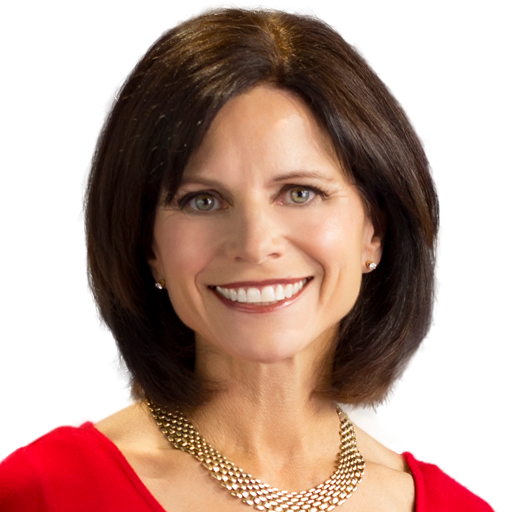
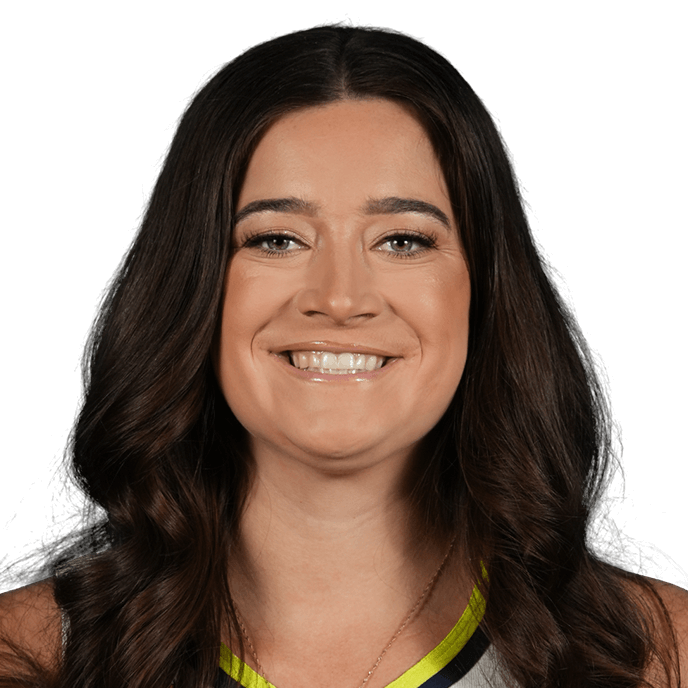
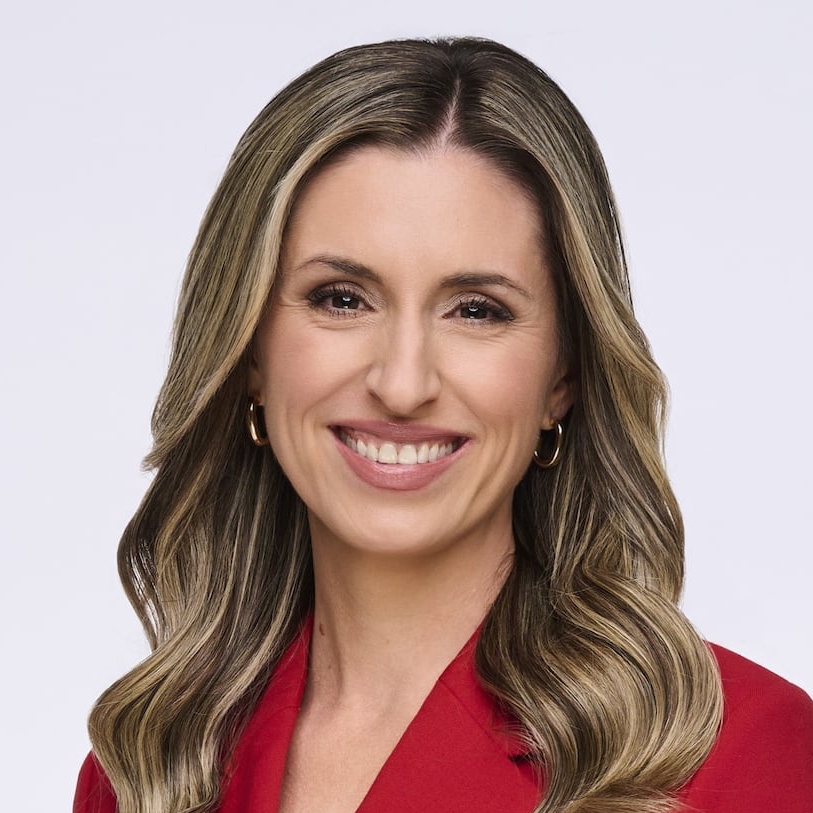
Debbie AntonelliHostTravis LuthrenGuestTank SchottleGuestRachel GreerGuestRachel GraceGuestBrookeGuestKendall GreerGuest
Rachel, what have you found from last year to this year that has been helpful for Kendall through sports?
I think one of the biggest things that has been beneficial for Kendall is that we've continued to push him in playing sports and playing with his peers as often as possible and trying to find the team and the coaching staff that provides the best situation for him and keeping him involved in multiple different things, multiple different sports, multiple different environments, indoor, outdoor, faster paced, slower paced team sports, swimming that's a little bit more individualized.
Um, so just trying to keep him as involved as much as possible and, um, keep ourselves open to all different types of experiences that he may have to help him, um, help him learn and just grow and evolve through sport.

I think moving your body as much as you can in lots of different ways and in a variety of activities keeps you healthy, keeps you fresh, gets your mind going.

we're, you know, our effort with 24 hours, nothing but net is obviously to try to raise money and awareness for special Olympics.

And, and we are doing that, but the, the derivative of that is that we have helped people understand why healthy choices are important for everyone.

When you see a person with down syndrome coming, not having any expectation at all, like Just a low level of expectation, like, oh, here comes a kid.
And as we were sitting there as a team, I mean, there was probably a good 15 people in the room from the schools.
And as they start listing Kendall's strengths, the number one strength that all of them agreed on was his gross motor and social skills and how they work together.
And that, you know, as we're talking about time in the classroom, time out of the classroom for individualized attention, that sort of thing, it was just very clear that, you know, P.E., any movement breaks, anything like that were so crucial to Kendall's success that they not be interrupted for any other type of learning.
And one thing we also talked about with him shifting to middle school is now that there's a dedicated athletic department and the middle school is getting him as involved as possible in the athletic department because that's something that he just an environment he thrives in to have him sort of work alongside the middle school athletic directors, like a mini intern to help with game day setup and practices and, you know, things like that, which our expectation for Kendall is that it would translate through to the high school level and then beyond high school, hopefully into the college level.
And, you know, so keeping him as involved in sports and movement as we possibly can.

See, to me, that's the key right there is that you have this transition plan where everyone is in the room on the same page, knowing that you're the captain, you're in charge.

Kendall is by far able to exceed anything that people might expect and that you're giving him an opportunity to have some experiences that could lead to his ability to be independent and have confidence and know that he can handle any skill or task that's taken, that's given to him.

I think about the communication part of it, Rachel, right? And just the gross motor and the ability to communicate and do things means that you can actively engage with your peers.

And when you do that, it just lowers and levels off the ability and the willingness of everyone to see the strengths of everyone and how everyone can participate.
The rest of this transcript — segmented and speaker-labeled, so you land on the exact moment something was said
Search every transcript — by keyword, by phrase, or by meaning, across every show Radar indexes
Trends — what is surging across podcasts, measured against its own baseline
Alerts — when a name you follow appears in a newly indexed episode
No account is needed to search Radar.