Inside Primary VC: $1.65B AUM for seed investing
Oct 8, 2026 · 1 hr 2 min · 13 segments
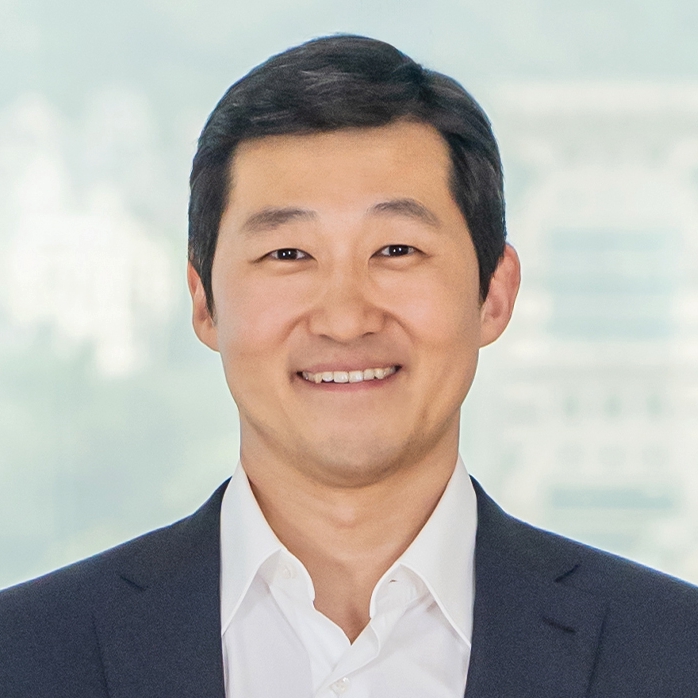
Ben Sun co-founded Primary Venture Partners in 2015 on a simple, contrarian bet: that New York City was an overlooked startup ecosystem on the edge of an inflection point. A decade later, Primary…
Ben Sun co-founded Primary Venture Partners in 2015 on a simple, contrarian bet: that New York City was an overlooked startup ecosystem on the edge of an inflection point. A decade later, Primary manages $1.6 billion and Ben serves as Head of R&D, running incubations and new ventures including Altis, a research platform bringing institutional-grade diligence to an industry that has historically lacked it.We talk about his path from founding Community Connect (the parent company of Asian Avenue and BlackPlanet) to angel investing in Coupang and building what became Primary's "industrialized seed" model, complete with in-house recruiting, go-to-market, and AI tooling teams. Ben also shares why deals per partner matters more than fund size, his contrarian take on the "bigger funds mean worse returns" debate, and what he's learned about betting on people over ideas.Subscribe for more conversations with founders, operators, and investors building what's next.Our podcast is sponsored by Gunderson Dettmer #PoweredByGundersonTimestamps:0:00 Intro1:11 Founding Community Connect and Asian Avenue6:05 Meeting Bob Goldhammer and Learning to Bet on People10:26 What VCs Get Wrong About Helping Founders14:41 The Coupon Story and Meeting Bomb Kim21:57 How Ben Met Brad and Founded Primary25:56 Betting Early on New York City28:00 How the Secret Got Out and Competition Increased30:50 Building an Industrialized Seed Market35:06 The Structural Advantage of Scale38:21 How Primary Uses AI Internally41:01 Inside Altis: Bringing Research to Venture48:38 Time Management and Prioritization Lessons53:56 Giving Back and Building the Ecosystem56:46 Hot Take: Why Bigger Funds Don't Mean Worse Returns59:50 Legacy and Building the Firm He Wished He HadMore on Ben:https://www.linkedin.com/in/benjaminsun/More on Jarrid:https://www.linkedin.com/in/jarrid-tingle/The Winners Welcome Podcast, by Harlem Capital, brings elite founders and top investors into thoughtful conversations on pushing past possible, sharing the conviction, standards, and lessons behind building generational companies.Harlem Capital is a venture capital firm that backs the next generation of winners. The firm partners with exceptional founders with the irrational motivation to build generational companies. All Winners Welcome.We’d love to hear from you. Share your feedback at info@harlem.capital or DM us @HarlemCapital, and if you’re enjoying the podcast, please subscribe, rate, and review.
Ben Sun co-founded Primary Venture Partners in 2015 on a simple, contrarian bet: that New York City was an overlooked startup ecosystem on the edge of an inflection point. A decade later, Primary…