Mensch-Kight Geopolitics: America, Israel, World
Nov 9, 2026 · 14 min · 7 segments
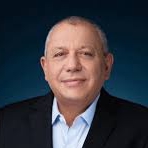
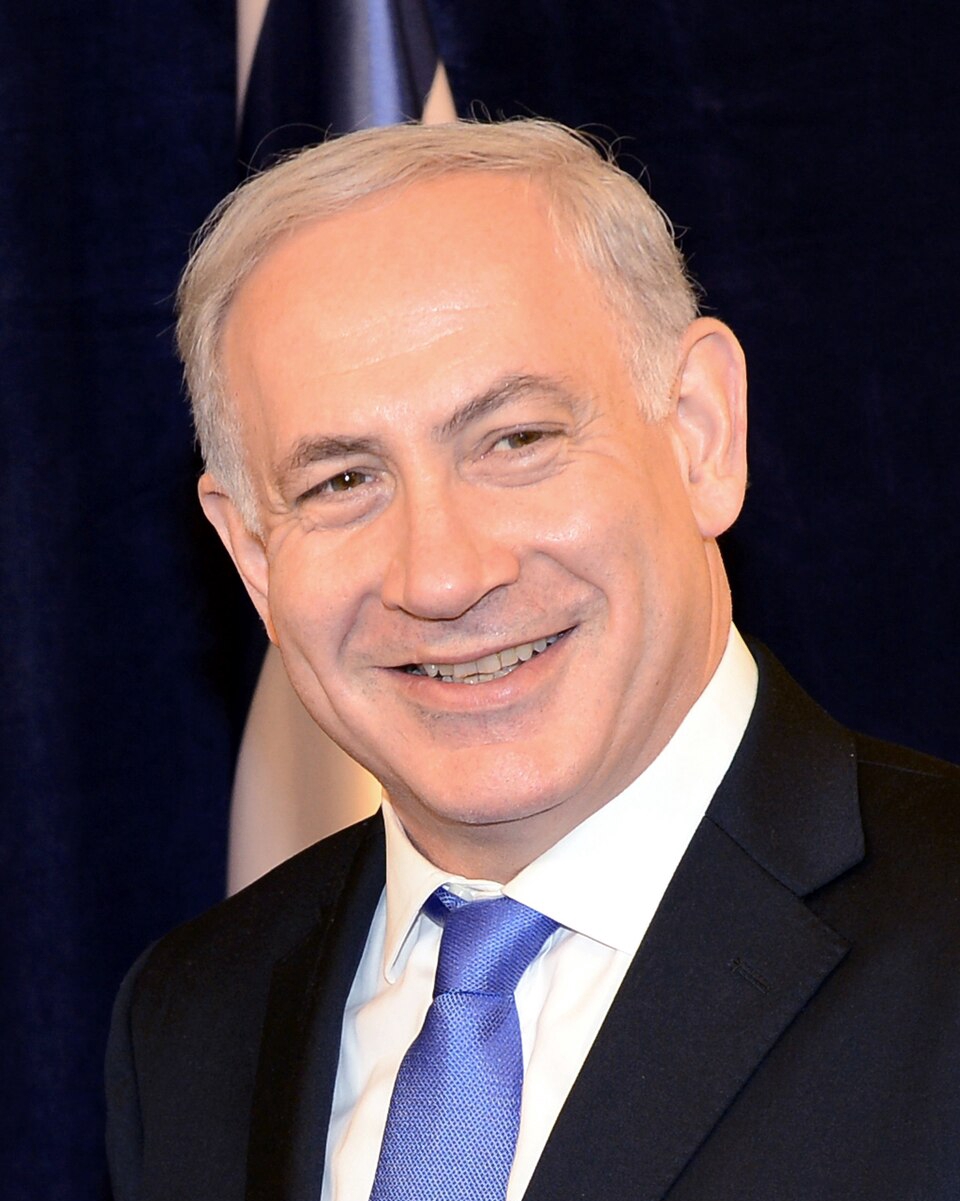
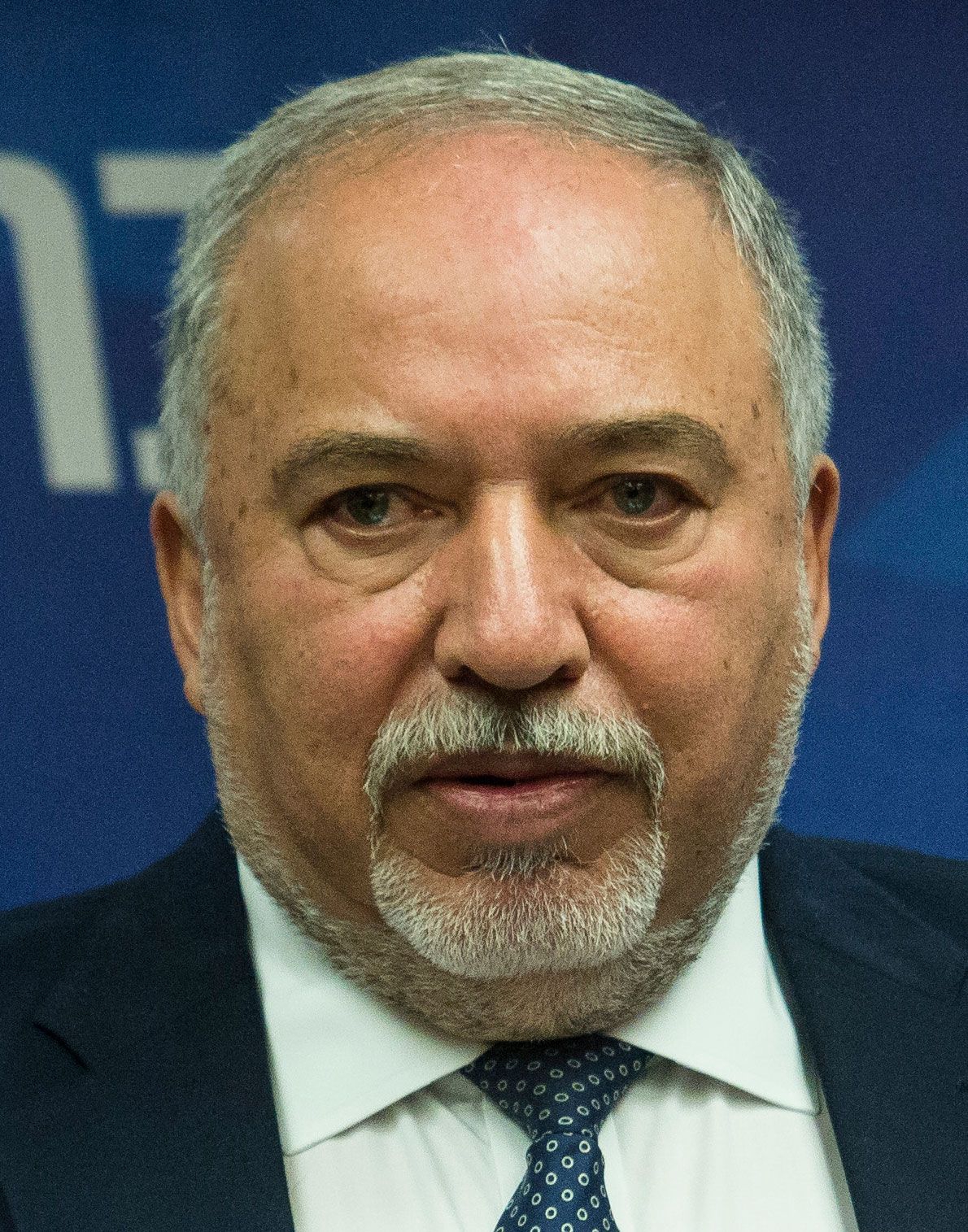
With the recent election in the past, Eisenkot has been given the first mandate to form a government. Can he succeed? What would a coalition look like? What are the scenarios given the election…
So with this form of government, a multi-party proportional system, you're looking for what's called the minimum majority coalition.
Unlike our system where we have a separate electoral body, the electoral college that chooses our president, In Congress, there's a separate legislative body.
But what you want is a majority and you don't want to overblow the majority because then you're bringing in parties you don't have to.
So you want to get to 61, 62, 63, 64, 65 maybe, but no more because then you don't have to give away extra cabinet seats and that kind of thing.
So you've got to knit them together into an agreement to sit as a government and keep them all happy.
So, you know, the pro-gun people, farmers, rural voters, social conservatives, evangelical Christians, conservative Jews, you know, working people.
et cetera, et cetera, are demographics who are more or less voting Republican, whereas other demographics are voting Democrat.
And, you know, that would have been like, say, having a separate labor party that represents working people and having them one day decide, you know what, we're not we're not going to coalition with the left anymore.
Instead of having these floating coalitions like our political parties, those groups have their own political parties in large part, and they go...
And you also have one-note parties every now and then, what we call, where they have a single issue that's important to them, right? Okay.
Anyway, basically, our parties are party blocks rather than... political parties as Europeans and Israelis would understand them.
The rest of this transcript — segmented and speaker-labeled, so you land on the exact moment something was said
Search every transcript — by keyword, by phrase, or by meaning, across every show Radar indexes
Trends — what is surging across podcasts, measured against its own baseline
Alerts — when a name you follow appears in a newly indexed episode
No account is needed to search Radar.